Nursery Rhymes Are the First Literature of Childhood
And What We Lose When They Disappear.
It’s ironic how we have become so “sophisticated” in modern life with all our technology, advancements and capabilities and yet we seemed to have gone backwards in so many ways.
We are seeing the rapid decline of literacy, creativity and overall excellence in our children in numerous ways.
In our pursuit of modernity, we have determined that so much of what was in the past holds no value and should be thrown out with all the other outdated traditions that have existed for hundreds of years.
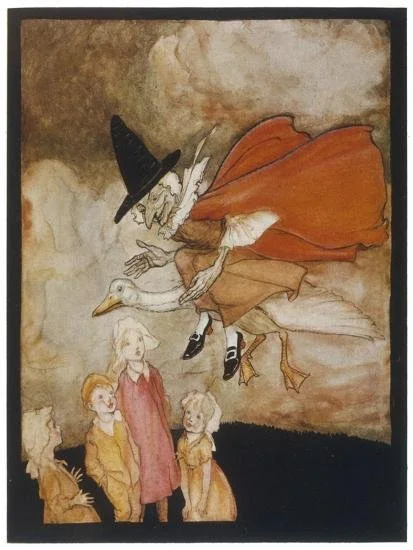
The truth is though, many traditions, like nursery rhymes held immense benefits for our children. Nursery rhymes were the first step in a continuum that led to classical education. Children who learned nursery rhymes, were then well on their way to developing into children who could memorize poetry, more complex songs, stories and blossom into loving great literature, music and art.
See the thing with education and learning, is that it’s all intrinsically linked to early childhood and how are tastes are shaped.
We have blamed the lack of teaching phonics in our country as the root of all evil, but in reality the truth is much more complex. Yes, phonics is incredibly important and necessary, but what about what comes before phonics?
Do we think children will become excited to memorize abstract sounds for abstract letters when it comes time for reading if they never developed rich pre-literacy skills? If they didn’t develop a love of the spoken word, and rhythmic phrasing, and silly rhyming and the ability to break down syllables and sounds?
The answer is a resounding no. Phonics is not a magic wand. The demise of literacy in our country is due to not only the lack of phonics teaching, but also the lack of musical, literature rich childhoods. It was the straw that broke the camels back. We already were facing a generation that was using screens more, being read to less, being less musical and knowing less nursery rhymes.
Children’s auditory system is at the most sensitive in early childhood. They are picking up new sounds. It’s why meaningful music exposure is so important in early childhood. It forms the foundation for all future learning along with skills for emotional regulation. It’s truly the all in one foundational skill that builds all other skills. This development of the auditory system is what will make future phonics learning either, a walk in the park, or an uphill battle.
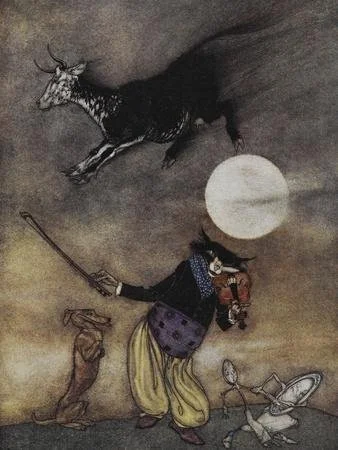
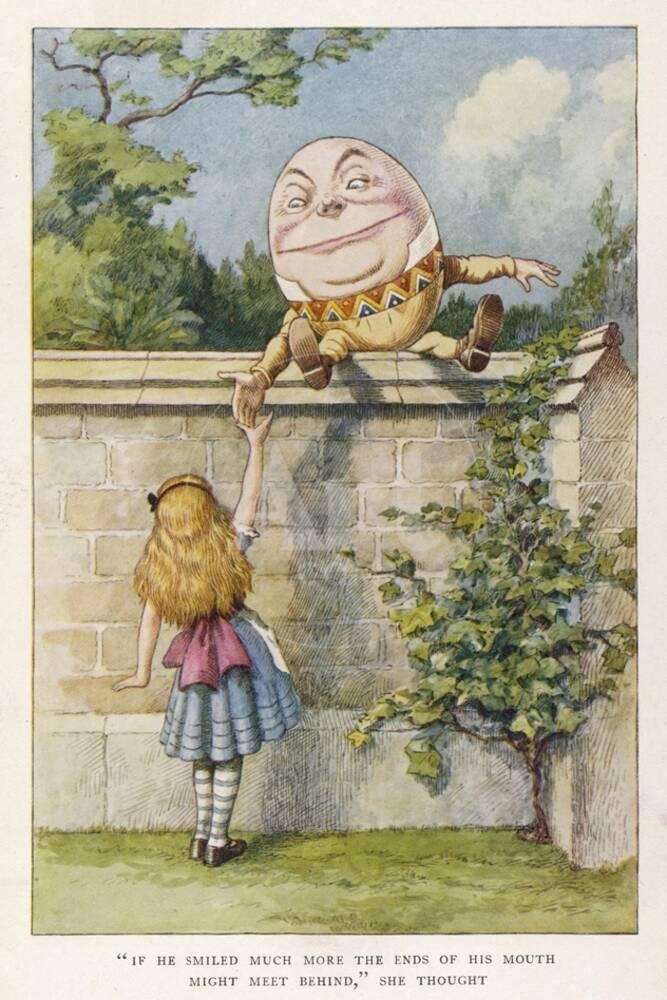
What I find strangest of all though, is that it seems like an agenda to remove nursery rhymes from childhood, People started talking about how they were strange, and unusual and not appropriate for children. Why should we be talking about Humpty Dumpty not being able to be put back together again? This is too scary for kids. And outlandish silly things like cows jumping over the moon.
Then began the barrage of pandering down to children and remaking nursery rhymes to be more palatable and less strange and more kid friendly. Everything became sanitized, over explained and emotionally flat.
And guess what? No wonder kids found these new re-written rhymes boring. Because they are! The lack of respect for childhood and understanding of development, wether intentional or not, still astounds me.
The beauty of nursery rhymes is that they give children an opportunity to encounter fear, humor, surprise, tension and loss all from a safe distance. It actually helps them build the necessary coping skills they need in life.
By removing these opportunities in symbolic literature, like nursery rhymes, we don’t make children safer. In fact, we make them less safe, because they never are given the opportunity to start to develop the coping skills needed.
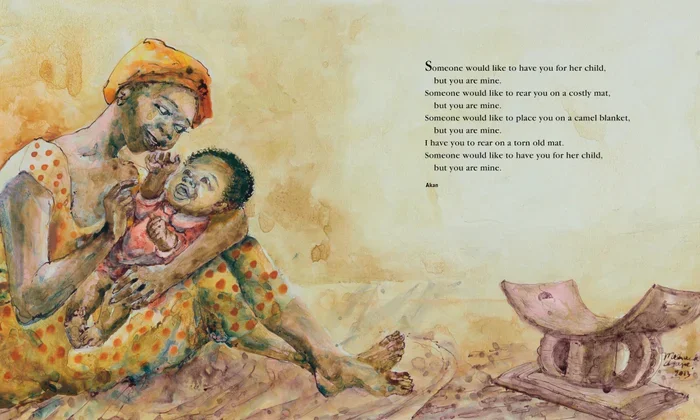
From: Over the Hills and Far Away: A Treasury of Nursery Rhymes Collected by: Elizabeth HammillIt also needs to be said that nursery rhymes are not purely a Western world tradition. Many cultures have their own nursery rhymes and child-lore and traditions. In fact, many other cultures have far richer oral traditions than the English speaking world and it should be noted that if cultures stop passing down their oral traditions and nursery rhymes, then history ceases to be passed on.
Parents should be passing on the mantle of nursery rhymes to their children. I have heard countless examples from teachers in the classrooms telling me how so many children have never heard some of the most common nursery rhymes. This should be shocking.
It’s an example of how we have gone backwards. Decades ago, children could recite dozens of nursery rhymes, clapping games, folk songs, chants and other childhood lore with ease. And it enriched their lives and learning immensely.
We need parents to bring back nursery rhymes. Bring back excellence.
Watch my latest video on YouTube where I talk more about nursery rhymes and my son’s immediate response after I taught him a particular nursery rhyme. It’s a beautiful example of why nursery rhymes are so effective.
Nursery Rhyme Books
This post contains affiliate links. If you purchase through them, I may receive a small commission - at no extra cost to you. Thank you for supporting my work!
I have created a list of some of my favorite nursery rhyme books and ones that I dug up on different cultures. I scoured the internet looking for nursery rhymes from Asia, Africa, South America, the Caribbean- as much as I could find! I hope that there will be something for everyone and that you will find some hidden gems! Please click the book list links below for the full list as I did not link individual books in the photos below.
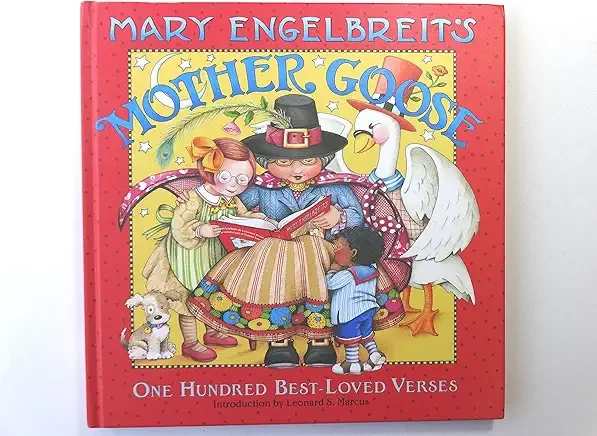
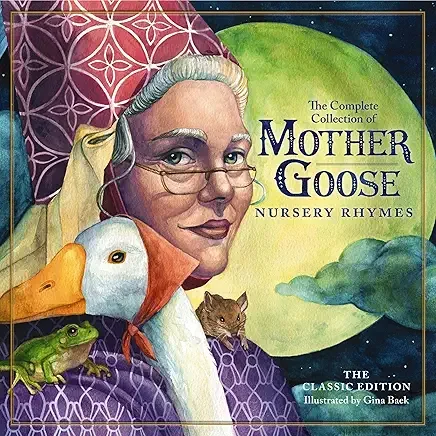
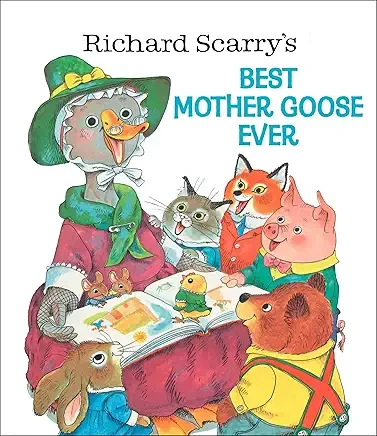
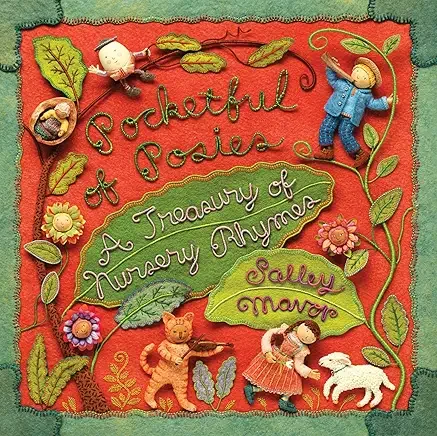
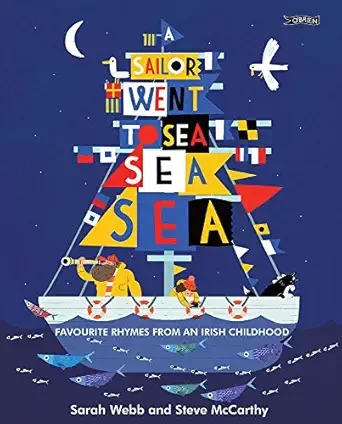
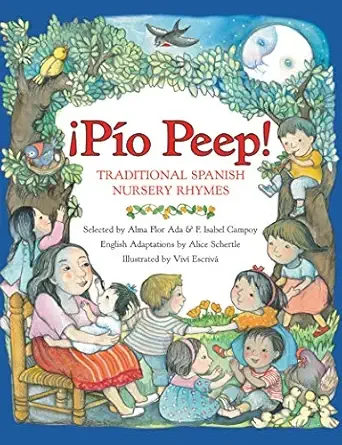
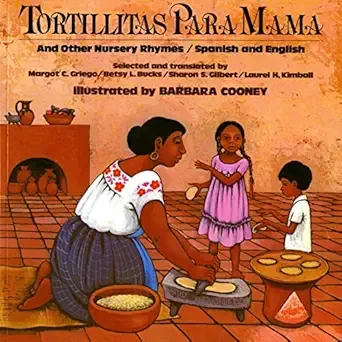
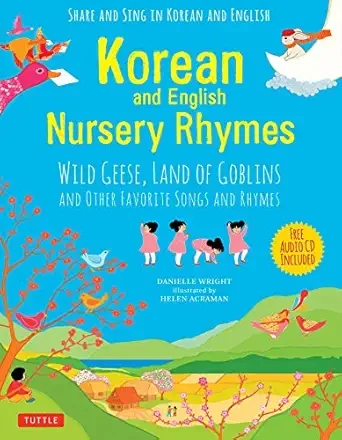
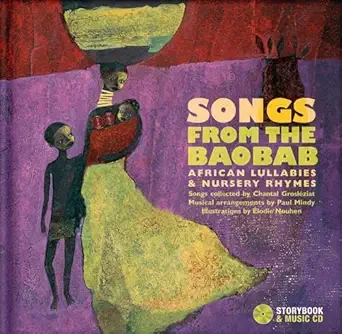
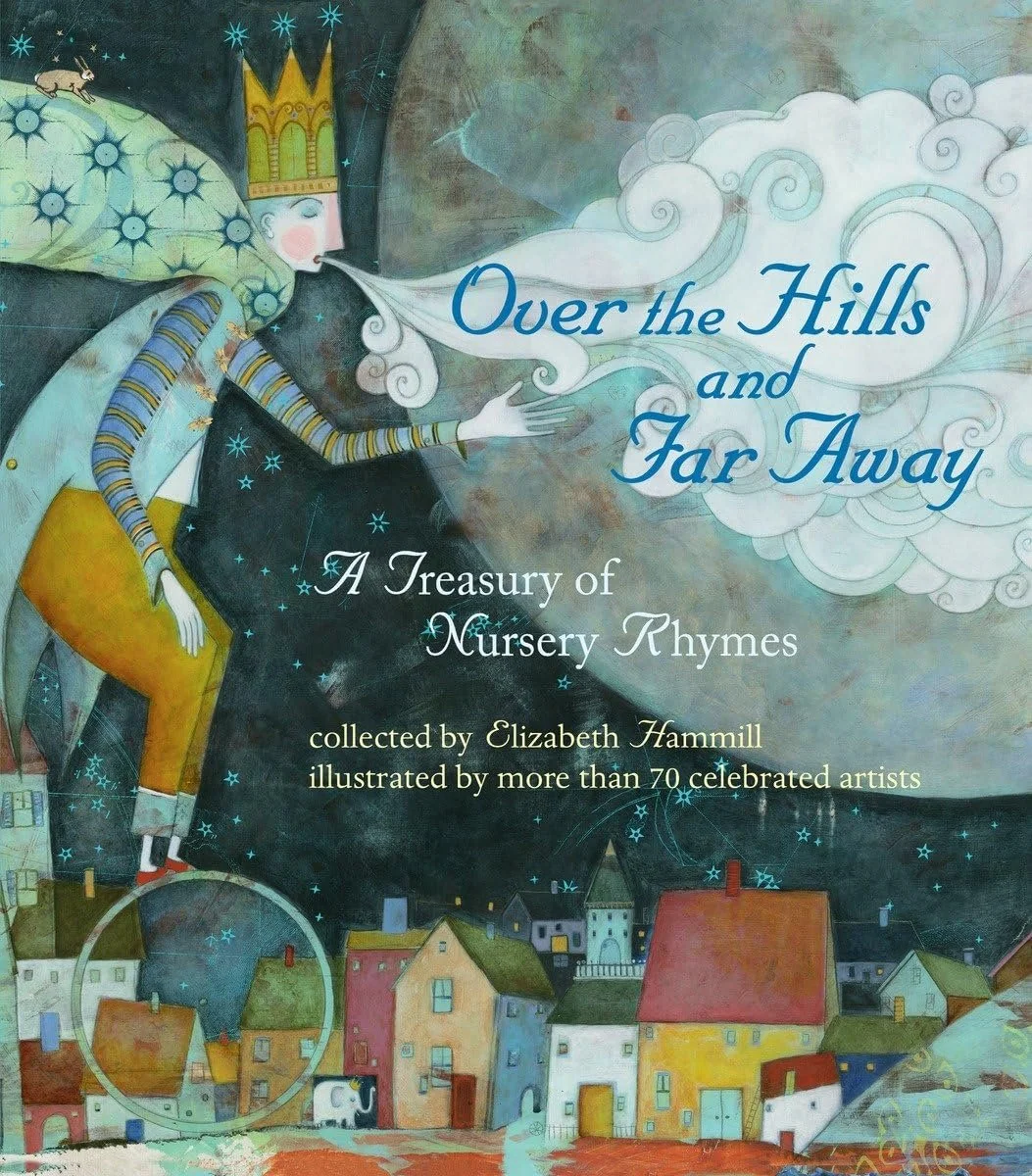
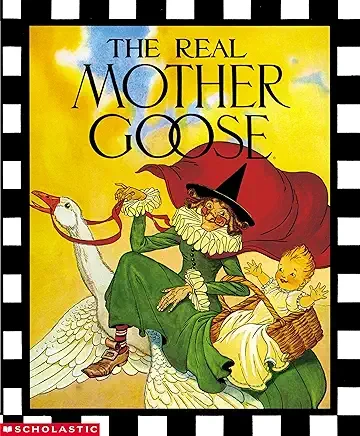
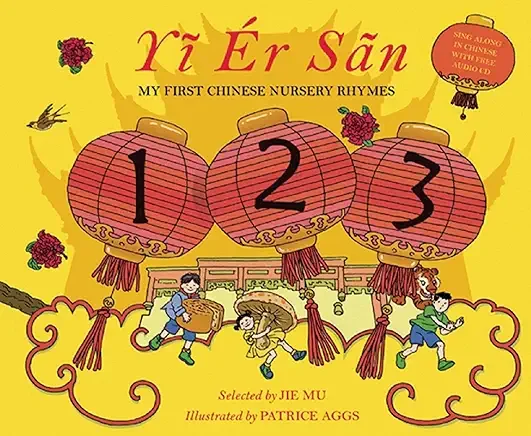
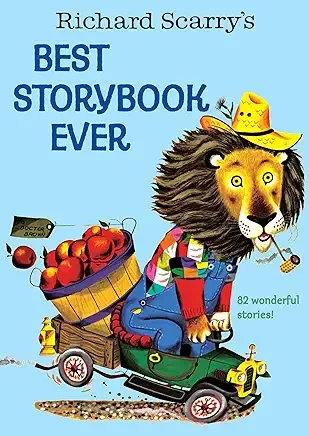
I wanted to especially mention this book because it’s not only chock full of nursery rhymes, but so many other things and it is without a doubt one of our most loved books. My youngest child looks at this book every day without fail and will spend so much time on his own flipping through the pages. Highly recommend this book! :) It’s linked in the book lists below.
Purchase from Bookshop.org and support local bookstores: Nursery Rhymes Book List
Purchase from Amazon: Nursery Rhymes Book List
Magical Music Method Members
I have added a Nursery Rhymes Section to Magical Music Method this weekend! Learning nursery rhymes with accompanying activities from using nursery rhymes to draw, to play with music bells and so much more to come. It is truly one of the parts of the membership I am so excited to grow with content.
If you would like to join Magical Music Method and gain lifetime access to a unique, growing body of content for parents to raise musical kids the way it should have always been, consider joining.
Thank you to all the wonderful families who have joined so far - your support has made it possible for me to continue growing wonderful content.
Classical and Jazz Musical Books for a Magical Childhood
This post contains affiliate links. If you purchase through them, I may receive a small commission - at no extra cost to you. Thank you for supporting my work!
A couple of weeks ago myself and my husband brought our three young children to the MET in NYC on a random Saturday afternoon. We didn’t have any set plan or expectations, but rather just thought it would be a nice way to spend an afternoon. Funnily enough, it’s not a very common sight to see families with young children walking around the MET. I suppose to some people it seems like a strange idea to bring young kids somewhere they “won’t really understand” or “truly appreciate.”
But in my view- that’s the whole point. If we don’t bring our children to see masterpieces of art or listen to beautiful works of music, how will they learn to appreciate and love beauty? We have severely underestimated how deeply intelligent children are, and how much they absorb. For some reason, we assume that if a child can’t verbally articulate what they’re see or hearing, then it isn’t worth doing. I vehemently disagree.
This mindset is one of the reasons we see less participation in, and love for, classical and jazz music. We are not exposing children early enough to music that is truly rich, complex and intellectually nourishing. And in doing so, we’re missing a key window in time when their minds and tastes are being formed.
When I was in college, my piano professor would tell me stories of growing up in his Italian household. His parents would cook pasta and simmer sauce from scratch while drinking wine and blasting opera in the kitchen - some of his most beloved memories from his childhood.
The way he relayed these stories to me always captured my imagination. I felt I could smell the sauce cooking and the warmth, love and joy in the air from his stories. But now, in the year 2025, I often wonder: how many children will grow up with memories like that? How many will remember listening to opera, or discovering truly wondrous works of music? Will these pieces of music cease to be woven into the fabric of childhood?
I truly hope not. When my first child was born I would play “The Carnival of the Animals,” every day for him. To this day when we play this piece of music, he can identify each section by its animal.
I’ve chosen to focus on classical and jazz music for this part of my musical books series, not because I think pop or contemporary music is less than - quite the opposite - but because classical and jazz are quietly slipping out of family life. They’re no longer built into the memories formed in our homes, and that’s when musical traditions begin to die. If we don’t associate nostalgia, warmth, and affection with these genres because we heard them when we were young, it becomes much harder to cultivate true appreciation later in life.
We all have music from our childhood that we love instantly. I think again of my piano professor, whose love of opera was inseparable from the laughter and cooking of his childhood home. Those formative moments shaped him and shaped his musicianship.
So why are classical and jazz music so important? Why should we nurture a love for these forms in our children?
The best way I can explain it is through a good simile (music teachers are notorious for loving a good simile or metaphor). Music is very much like nutrition in that it feeds the mind. If we feed the body wholesome food, we feel good, healthy and strong. If we feed the mind beautiful music, our inner world becomes inspired, uplifted, joyful and creative! Classical and jazz music represent some of the highest expressions of human ingenuity, creativity, and brilliance. They are works of art! Listening to a Mozart symphony is rather similar to looking at Michelangelo’s Sistine Chapel - they both make us marvel at the beauty and creative force within us!
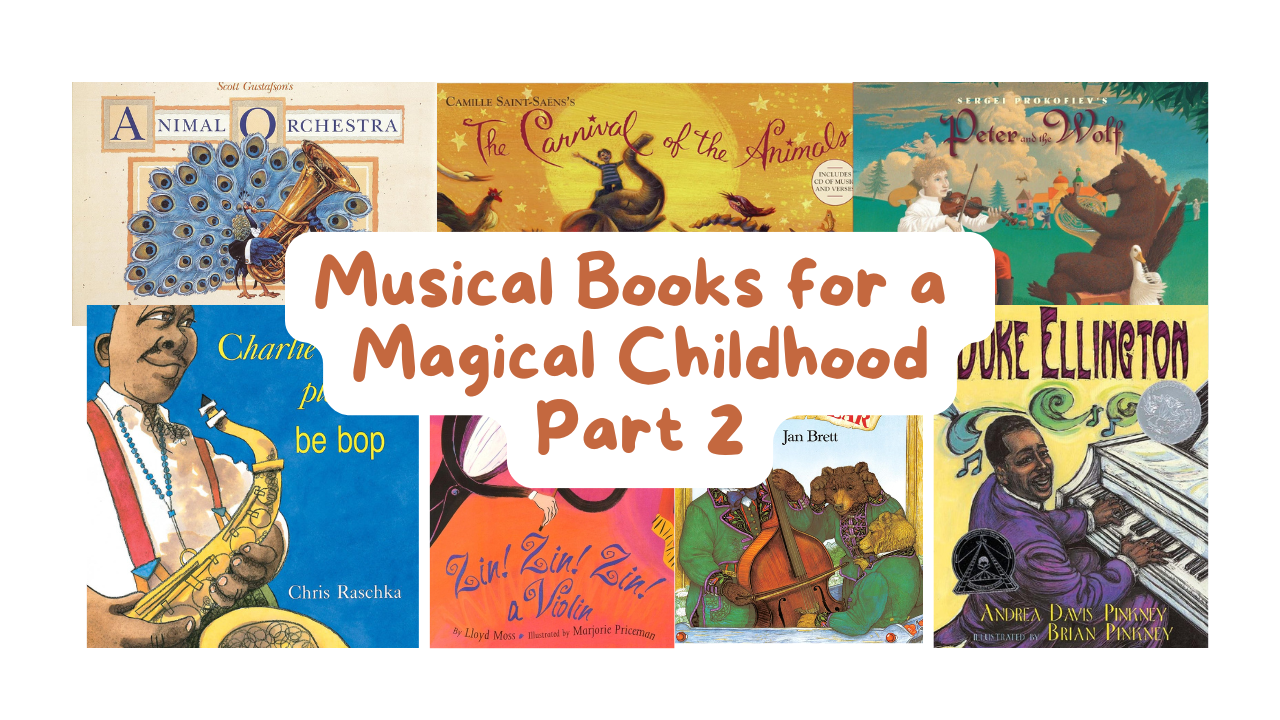
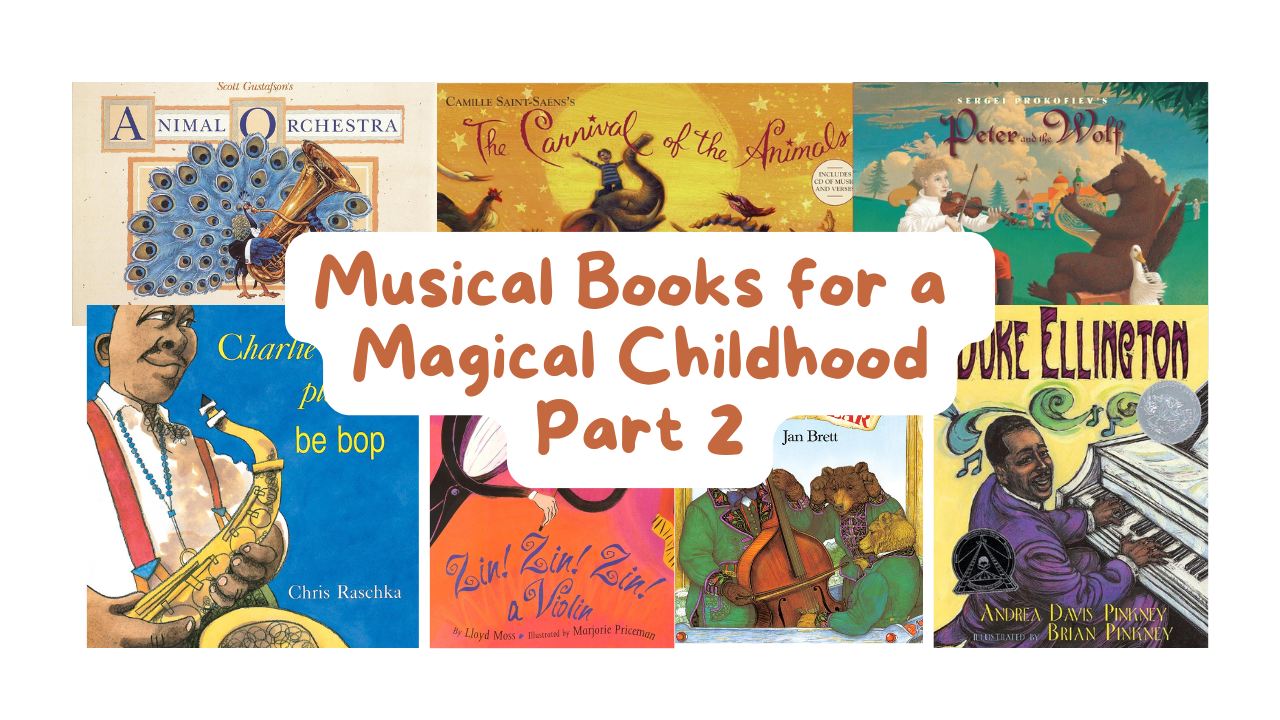
In Part 2 of this musical book series, I wanted to curate books that inspire a love of classical and jazz music, musical instruments, and musical traditions we may not encounter every day. When children grow up hearing beautiful music, they learn to love and understand it. These books are meant to spark curiosity and awareness in a child friendly way.
I hope these books help cultivate a lifelong love of classical and jazz music for your little ones - so we can build a future where adults feel inspired, uplifted, creative and joyful.
"Children need art and stories and poems and music as much as they need love and food and fresh air and play." -Phillip Pullman
Important (Please Read):
I’ve linked many of the book covers and titles below through Bookshop.org, which is a wonderful platform that supports independent bookstores! You can buy directly from local bookstores through their website, and 80% of their profit goes back to bookstores! I always aim to use my online presence to uplift businesses (especially small businesses) doing positive things. However, many of these books are hard to find on Bookshop.org so I linked through Amazon in those cases. And keep in mind, some of these books are hard to find, or out of print, so perusing second hand book websites may be a better option for the best price. I have included Amazon links at the bottom of the post. And finally, this is a BIG list of books- try your local library and see if you can check some of them out first. <3
For the Love of Music Books: Classical & Jazz
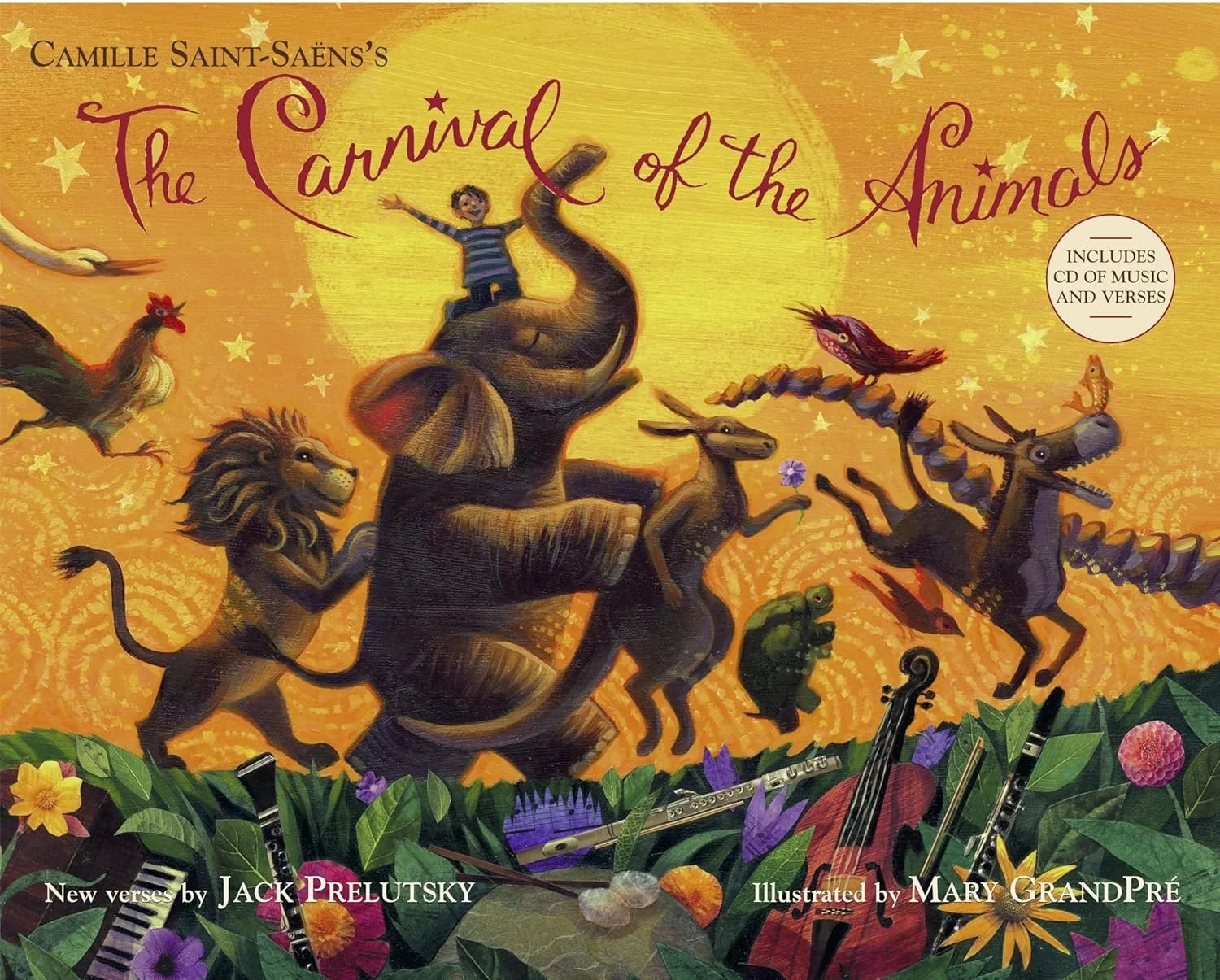
Carnival of the Animals is probably my favorite classical piece of music for children. And when I say classical, technically it is a Late Romantic piece of music, but as society generalizes most music with instruments, that has stood the test of time as classical music, I will use that term for ease. Carnival of the Animals was composed by Camille Saint-Saens and is an absolute genius masterpiece, despite him writing it as joke! When you listen to each movement you can hear the animals depicted by the instruments and music. This particular book has very rich verses written that accompany each orchestral character piece and it’s brilliant! “Welcome to our carnival, where birds and beasts and such behave a lot like people do, at time a bit too much.” And the illustrations are imaginative, unique and spellbinding. This book has been loved so much in our home that pages have been taped together carefully after one too many page turns.
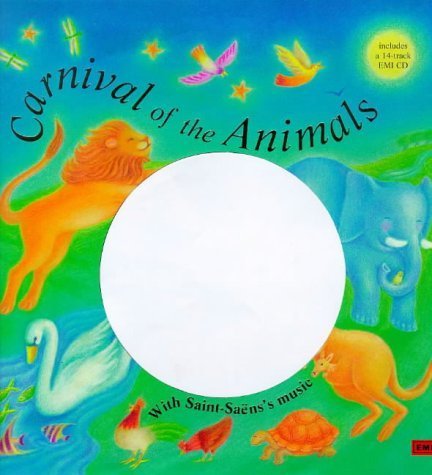
Carnival of the Animals #2 I love Carnival of the Animals so much that I couldn’t narrow down to just one book and also had to include this version. This book is particularly helpful for parents new to this piece of music because it explains the instruments that you are hearing and how the instruments represent the animal. It tells you what to listen for and the illustrations are very dreamy. This book is a true guide and really shows you the way when listening to this work.
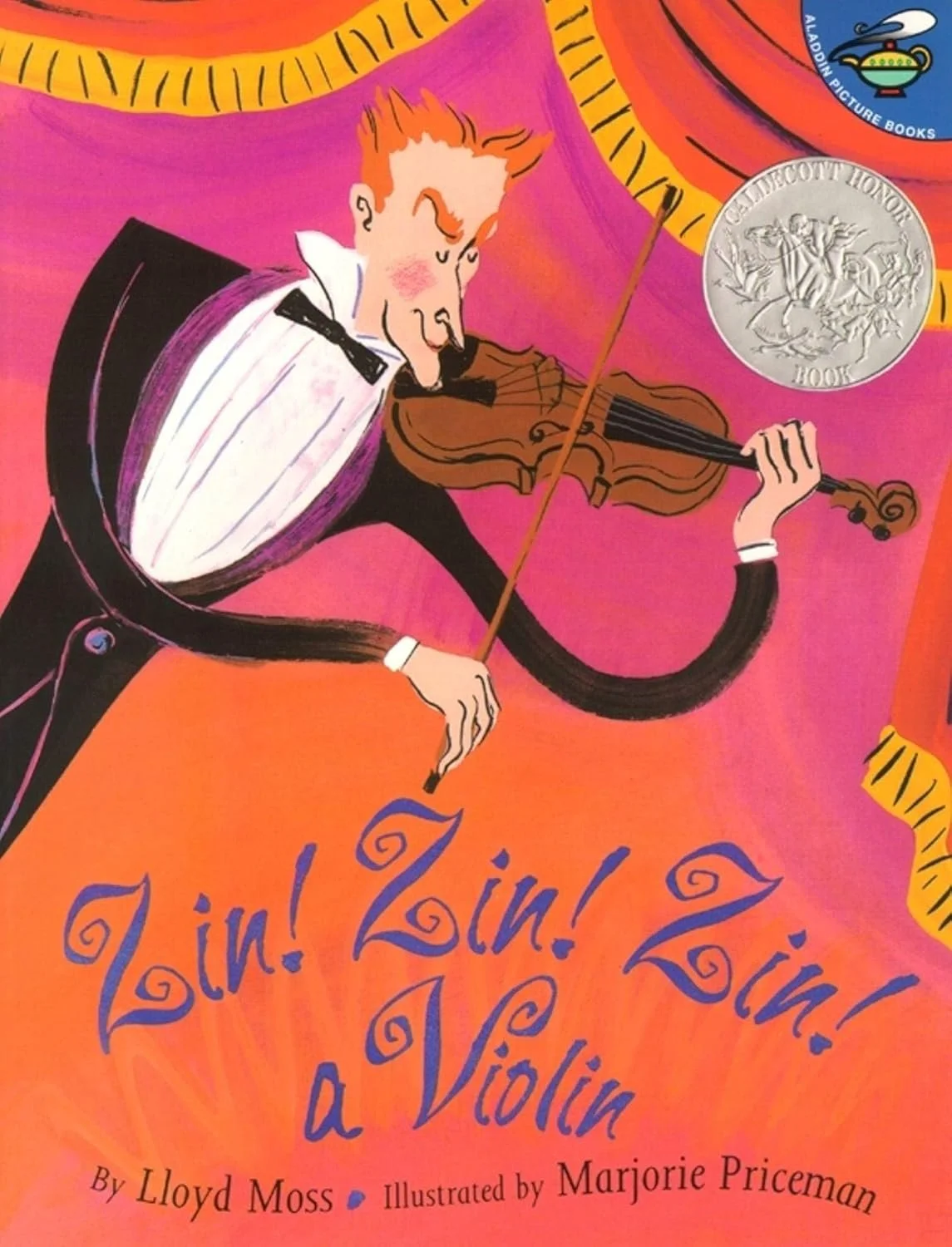
Zin! Zin! Zin! a Violin is a quirky delight of a book with it’s wonderful illustrations and rhythmic prose. The rhyming is spectacular in this book and children not only learn how to count and how they make up different instrumentations (solo, duo, trio, quartet….), they learn about instruments and the phrasing of the verses seem to emulate the sounds of the instruments. You need to read this book with a swing and make the words their own little musical sentences. After a few reads your child will probably even begin to recite it themselves.
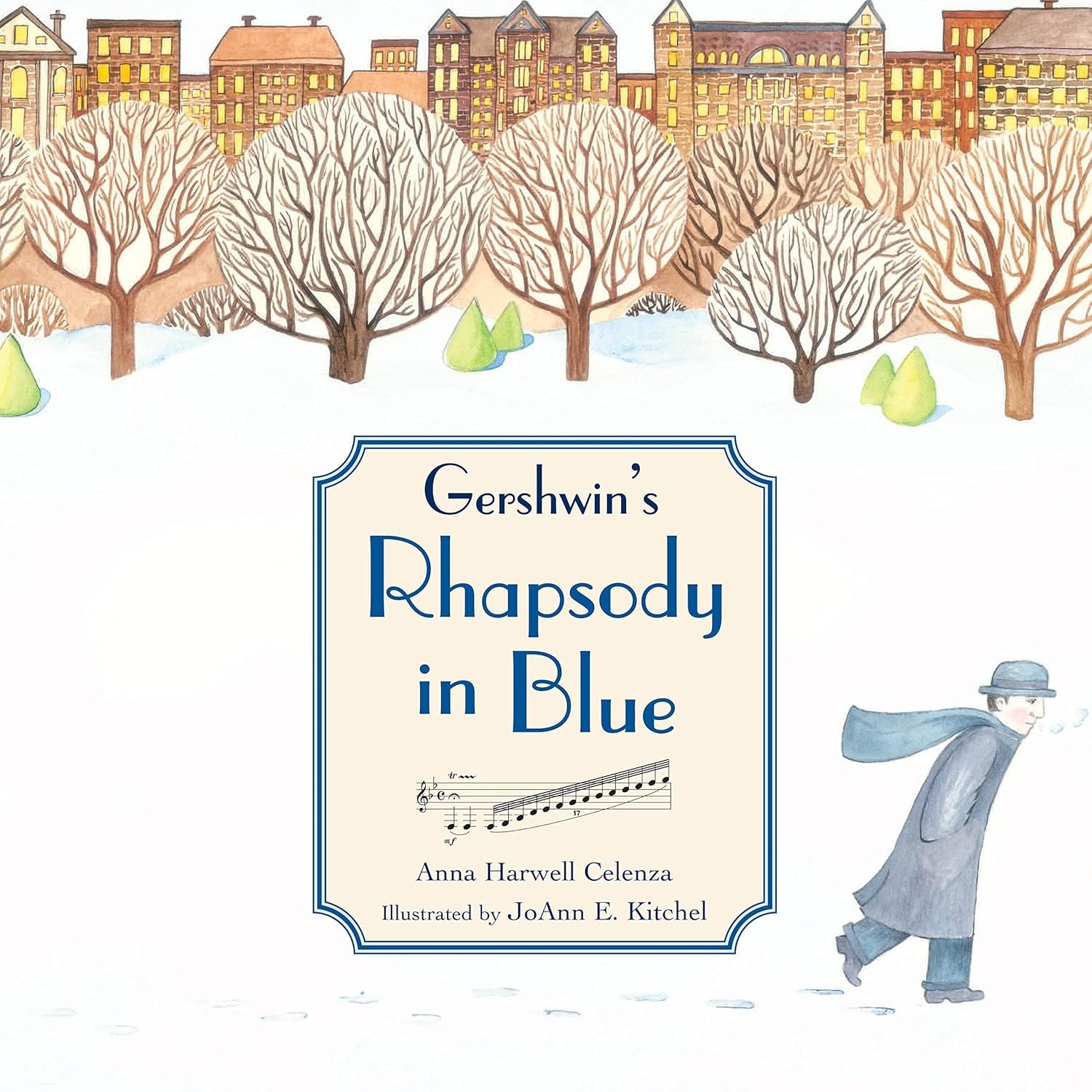
Gershwin’s Rhapsody in Blue Everything about the backstory behind this masterpiece of music is hilarious and the book truly writes itself! I bet you didn’t know that the iconic Rhapsody in Blue was written in only 5 weeks! George Gershwin read in a newspaper he was already scheduled to premiere a new piece he hadn’t even started! Talk about thriving under tight deadlines. There are so many marvelous tidbits about the story behind this iconic piece of music and this little gem of a book depicts 1920’s NYC in all it’s art deco splendor and just makes you want to time travel back in time. It tells the story with humor and lovely illustrations and young children will never forget this story and will forever recognize Rhapsody in Blue from the very first clarinet sliding swoop glissando. It also is a perfect example of the blend of classical and jazz music and the creation of a new and very bold American sound.
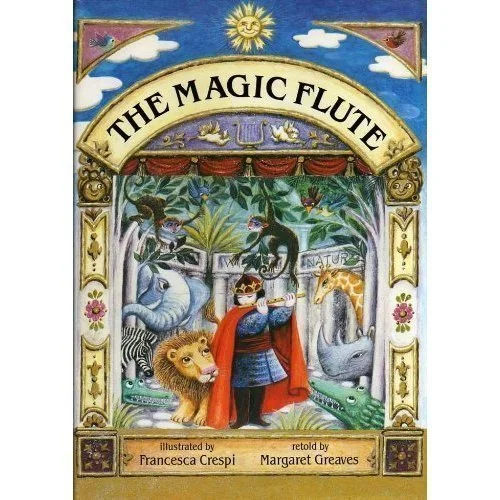
The Magic Flute Many operas can often have difficult storylines, and what I love about this slightly hard to find book is that it breaks down the plot line so that it’s simple enough for children to understand. Mozart’s wonderful opera is beautifully and simply retold with gorgeous illustrations. I have found that this book even appeals to adults wanting to understand the opera more deeply. If the book is overpriced at the links try looking on second hand book websites and you may score a used copy at a great price.
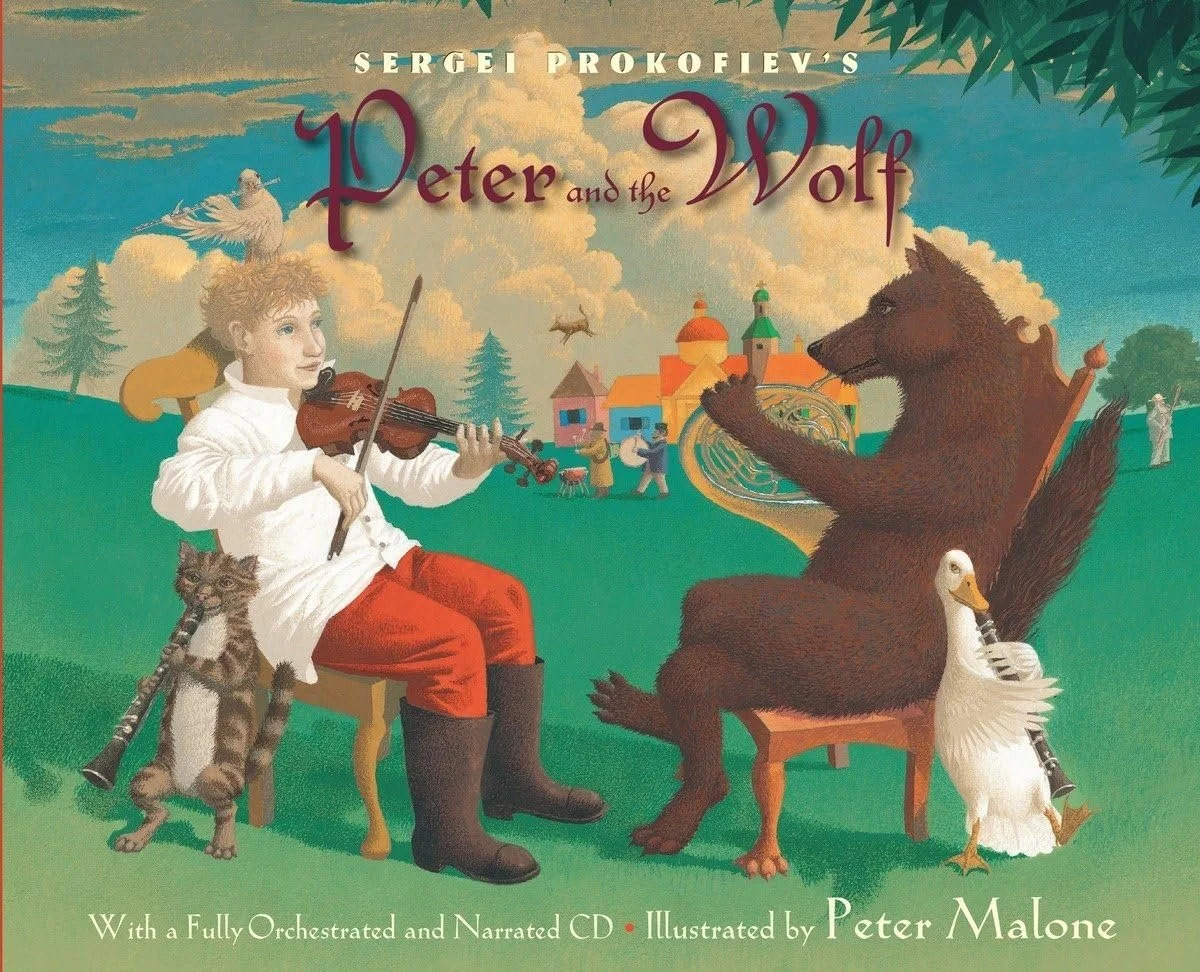
Peter and the Wolf This is without a doubt another favorite and loved piece of music in our household. This book beautifully tells the story with rich and beautiful illustrations and my children have loved this version the most because of the gorgeous pictures. I would be remiss if I also didn’t mention the spectacular recording of Peter and the Wolf with Boris Karloff. We have listened to it more times that we can count and my children have enjoyed flipping through the book while listening to the music and story. This piece of music is particularly special because Prokofiev used particular instruments to represent the characters of the story and this is where children begin to realize the storytelling ability of music and the magic that can be woven in our imagination through the power of music. I always wish that more composers had created more pieces of music like this that directly speak to children and tell a story!
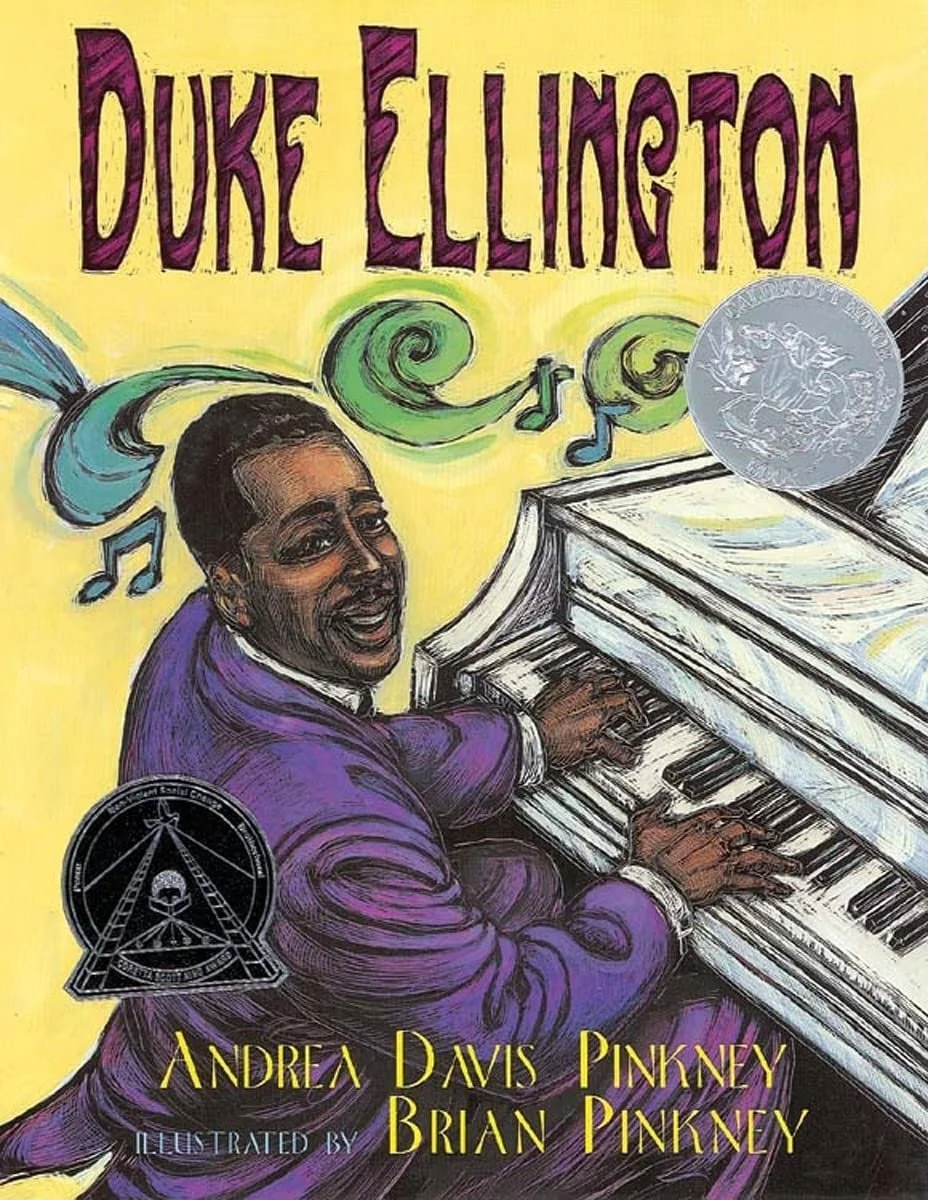
Duke Ellington: The Piano Prince and His Orchestra This gem of a book tells the story of the Jazz legend Duke Ellington. It really weaves in a lot of history and his story growing up. On a personal note Duke Ellington is one of my favorites and I absolutely love his music (who could not love listening to “In a Sentimental Mood?”). I love that this book has incredible illustrations and tells so many parts of his life. It is more well suited for kids 5/6+ I would say, as the story is involved and includes lots of facts. If reading to a younger child I would shorten the story and let them enjoy the pictures while listening to some of Ellington’s music.
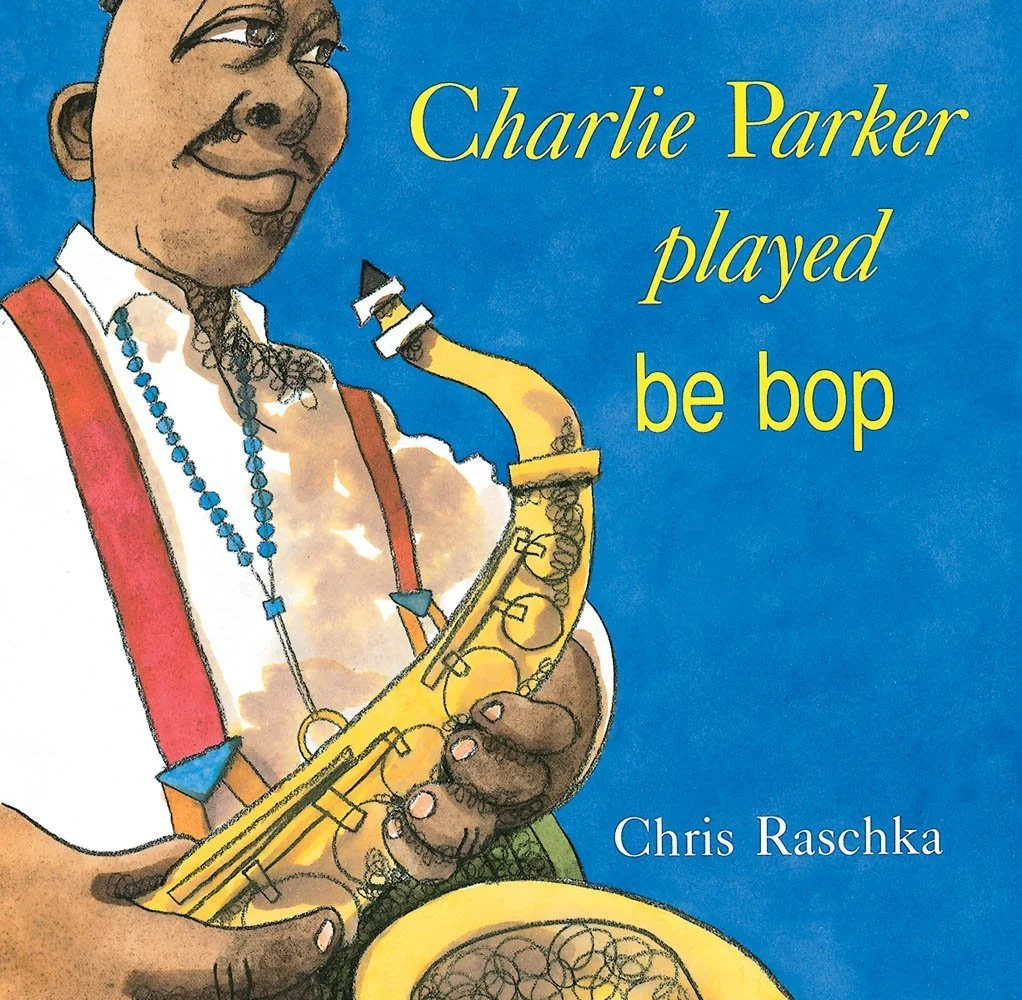
Charlie Parker Played Be Bop On the theme of Jazz giants, this is another book about the great Charlie Parker who went by the nickname “Bird,” in case you ever find yourself on Jeopardy. ;) If you want a book that introduces jazz music in a very child friendly way, then this is the book! The way the words are even written is jazzy! You won’t know what I mean until you see this book in person, but this book needs to swing. You need to read it like you are playing trumpet or sax. Your words will be the music! When you see the way this book is written and illustrated you will know exactly what I mean and even better, young kids will get it right away, too!
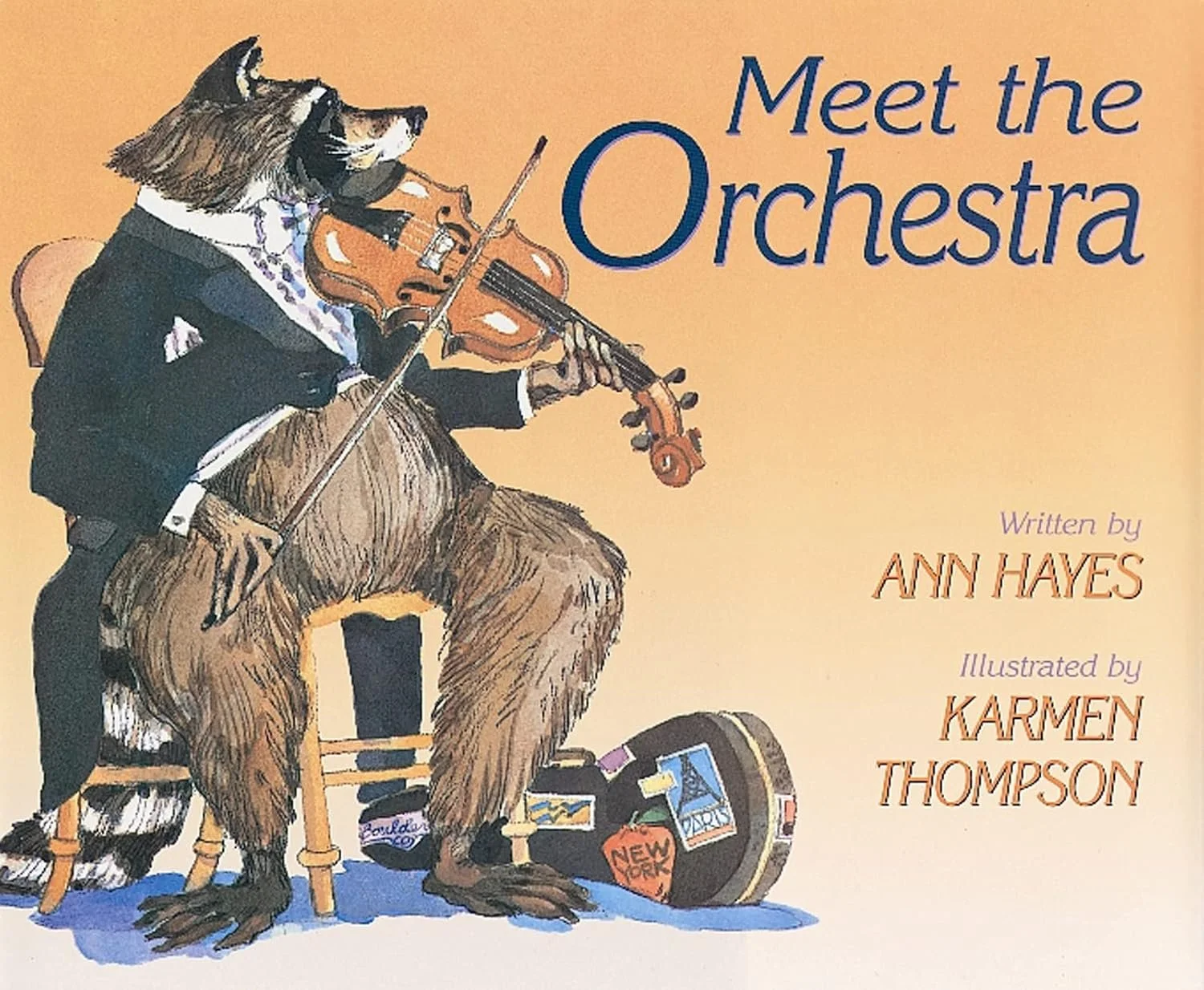
Meet the Orchestra If we want children to learn about instruments and the orchestra, we should start from the very beginning in a fun way. I love this book because it goes over the instruments of the orchestra and depicts a different animal playing each instrument. Picture an alligator in a tux playing the timpani - how fun is that? Each description of the instruments is not only child friendly, but describes the instruments so perfectly and even humorously in a way that makes it memorable to kids and adults alike!
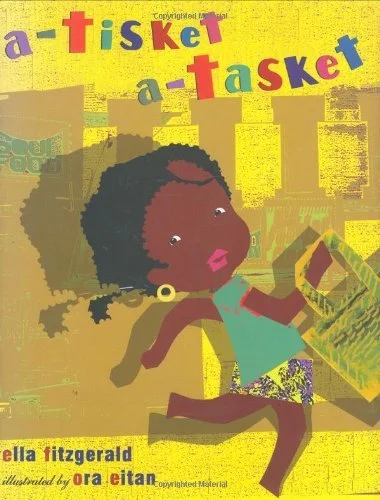
A Tisket, A Tasket Ella Fitzgerald shot to fame after releasing her recording “A-Tisket, A-Tasket” in 1938. This special song was inspired by the nursery rhyme and childhood game by the same name. This book is hard to find and the price may be inflated at some of my links - just keep an eye out again on the used book sites. If you are not new to my book recommendations you will know my love of wonderful illustrators; the charming cut-paper illustrations in this book do not disappoint! If you love clapping games and a-tisket, a-tasket, I made a mini-lesson on this iconic song.
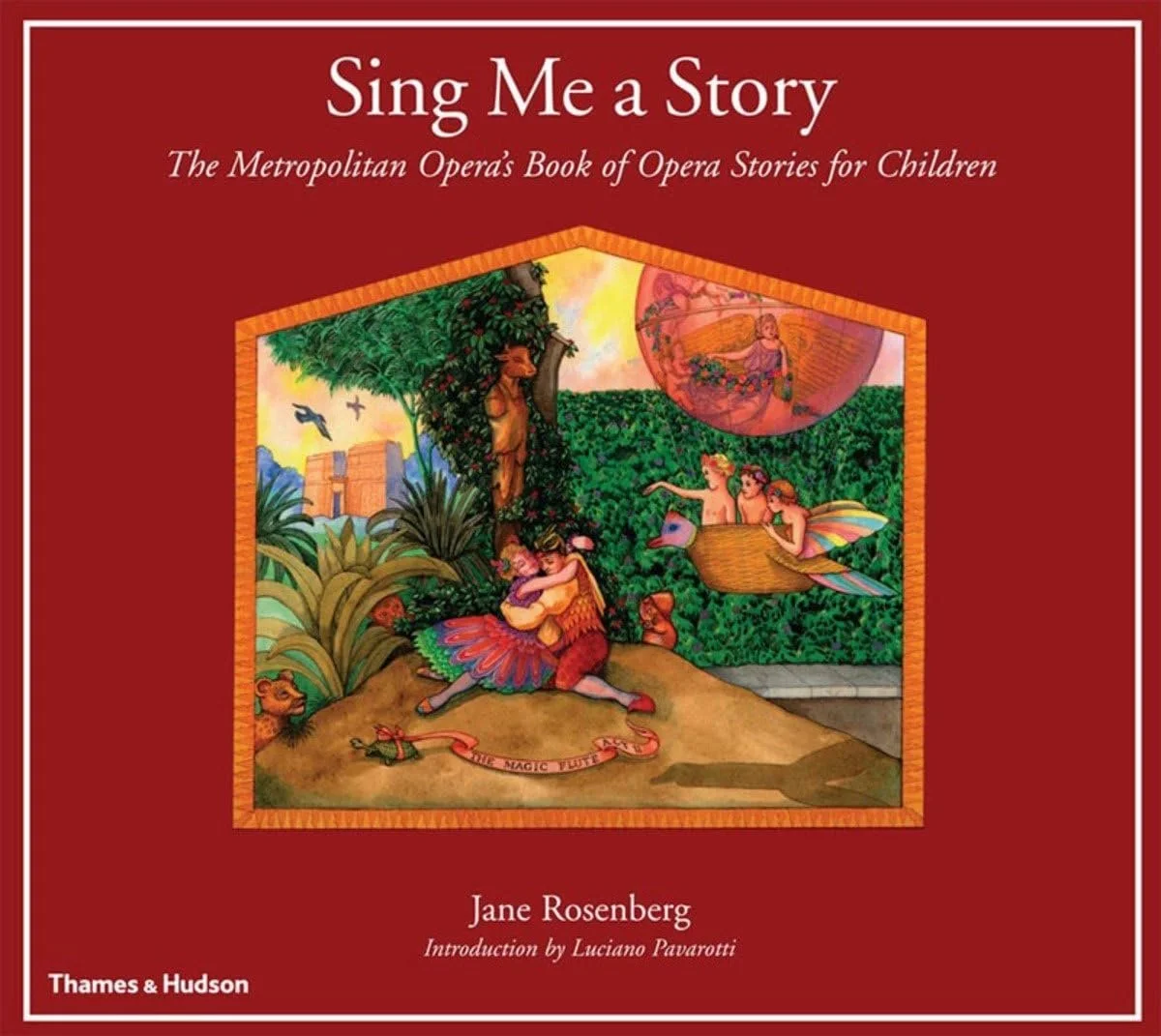
Sing Me a Story Imagine a Grimm’s style story book, but about the famous opera stories, and you have the Metropolitan Opera’s Book of Opera Stories for Children in a nutshell. This is a big book that tells the stories of 15 of some of the best opera stories: Aida, La Boheme, The Magic Flute, Porgy and Bess and Carmen among others. The language is rich, like Grimm’s fairytales, and there are a few beautiful illustrations, but I should emphasize this is not a picture book, but rather a story book. Adults may even love this book if they are unfamiliar with the stories.
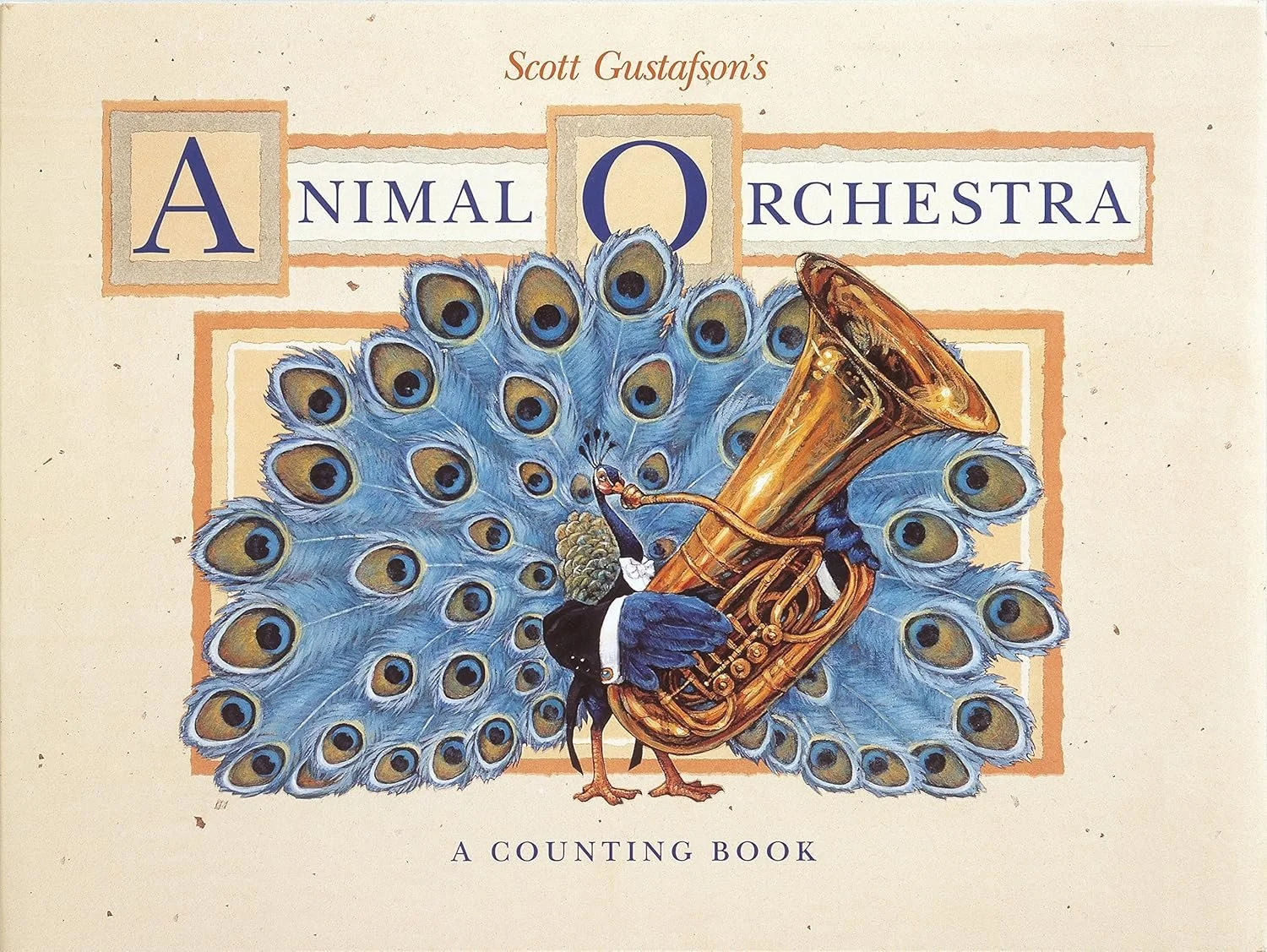
Animal Orchestra Okay, I know this is my second book on this list about the orchestra and with animals, but I LOVE this book! It’s well suited for the littlest of kids - it’s never too early to talk about the orchestra and even a 2 year old can identify a french horn if shown. This book is definitely hard to find, but if you have a baby or little toddler keep it on a watchlist - it is brilliantly simple with few words and goes over counting from numbers 1- 10, and little children have fun counting the animals on each page playing the instruments. The pictures are so, so delightful and wonderful and I just think it’s such a special book. If I was giving a book as a baby shower gift, this would be a top contender!
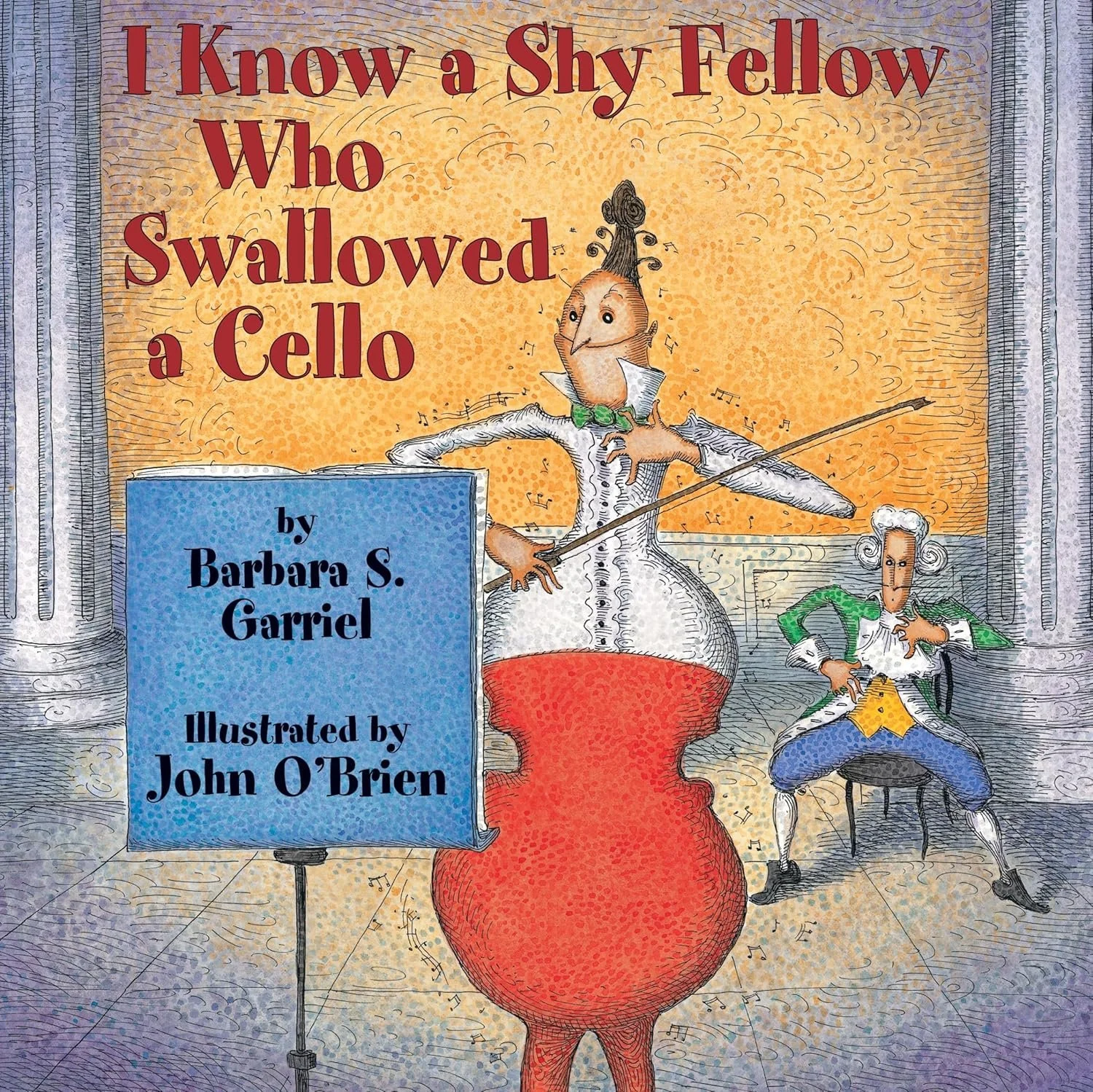
I Know a Shy Fellow Who Swallowed a Cello Remember back to Part 1 of this musical book series where I spoke about There Was an Old Lady Who Swallowed a Fly? This book is based off of that song. The rhyming is off the meters good and it can be sung like There Was an Old Lady Who Swallowed a Fly. Bonus points if you add silly voices and sound effects when reading/singing this book. I think this book is such a favorite among children because the silliness is the best! It is pure fun and a must have book in my opinion!
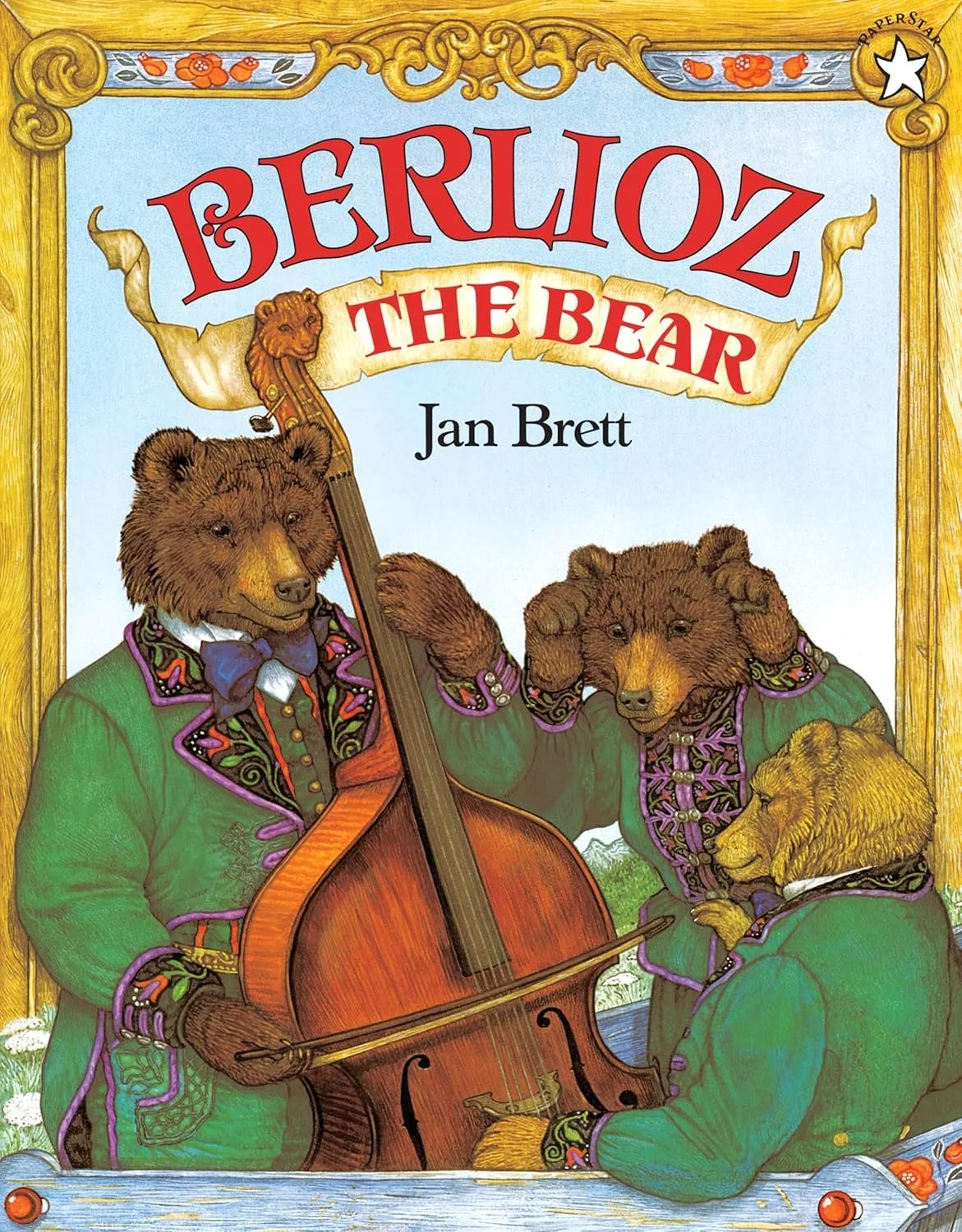
Berlioz the Bear This charming book tells the story of Berlioz who plays the bass and who’s instrument has developed an alarming buzz. I think any person who plays a stringed instrument will immediately relate with Berlioz and the alarm (IYKYK). It’s even understandable when he steers the bandwagon he is on with his fellow musicians into a hole where they all get stuck! Jan Brett’s illustrations are pure magic as always and bring this story to life. I recently read this story book to a group of 4-5 year olds and they LOVED it. They were so engaged with the story and were really rooting for Berlioz to get to his gig. I think these types of stories are really important for young children and help develop their knowledge of music, musicians and the whole world of music! I also recommend listening to “The Flight of the Bumblebee” by Rimski-Korsakov at the end of the book. You will have to read the book to find out why! :)
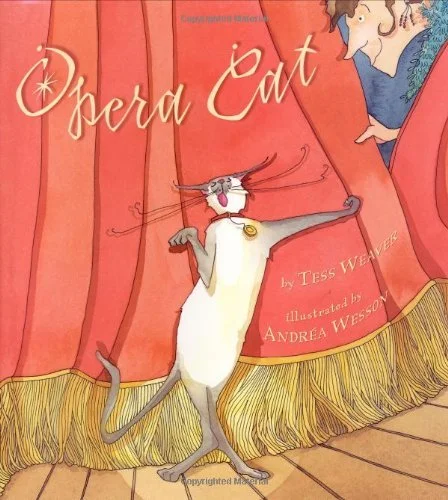
Opera Cat Along the same lines of reading stories to young children about music and musicians, this heartwarming and hilarious story brings to life the story of an opera singer’s cat. The storyline is great and the illustrations are wonderful and I know your children will enjoy this story immensely!
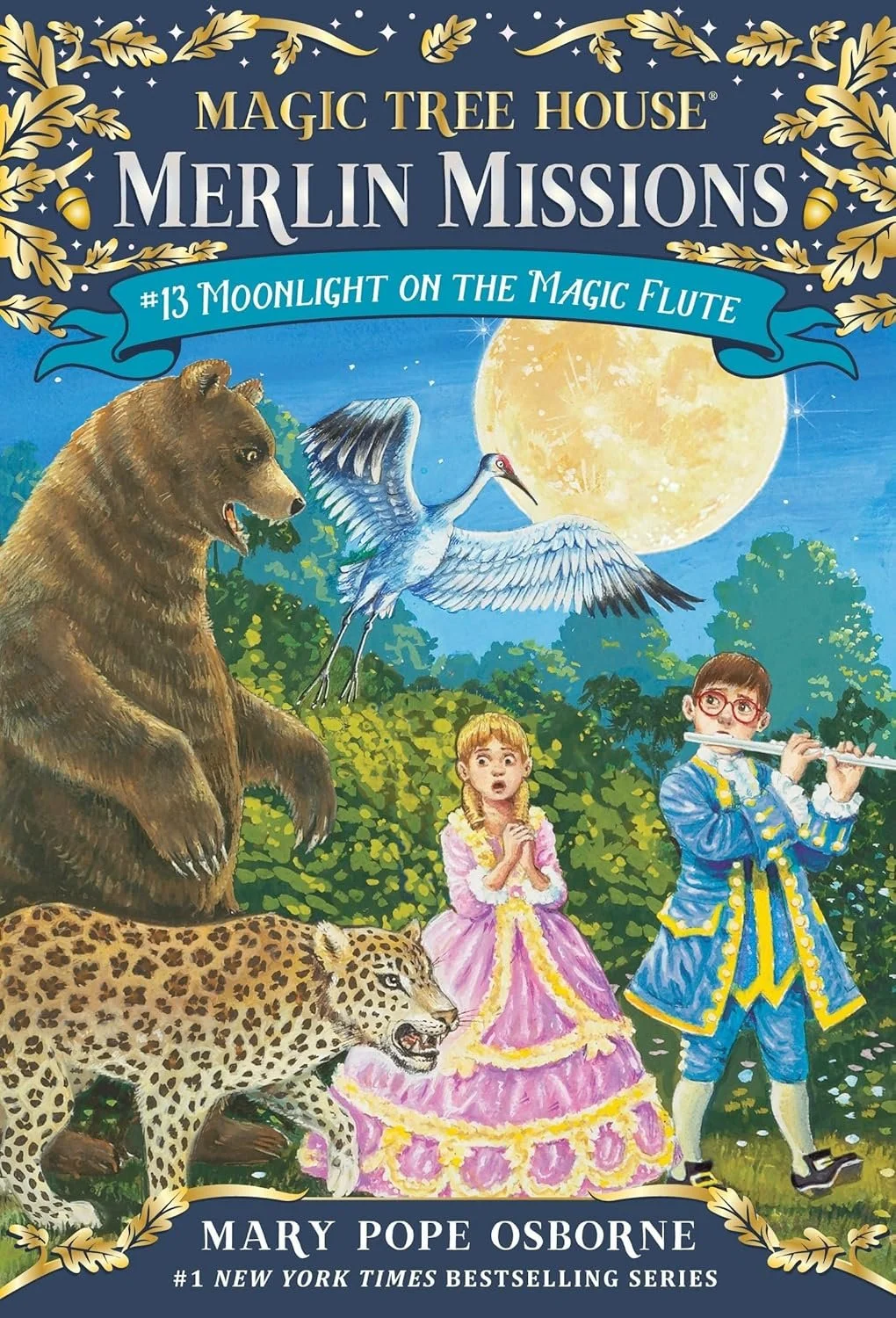
Moonlight on the Magic Flute (Magic Treehouse) This chapter book is a bit of an oddity compared to my other selections, but if you have a 4-7+ year old who loves Magic Treehouse, then this story is a must! Annie and Jack have to travel back in time to Austria and help a musician by the name of Mozart. What I love about the Magic Treehouse series is that the books have a way of mixing fact and fiction and always, always succeed in developing a curiosity in children. This book is a perfect window for children to enter the world of Mozart’s music in an approachable and relatable way. I’m just hoping that Yoto will soon record more Magic Treehouse cards and include this one!
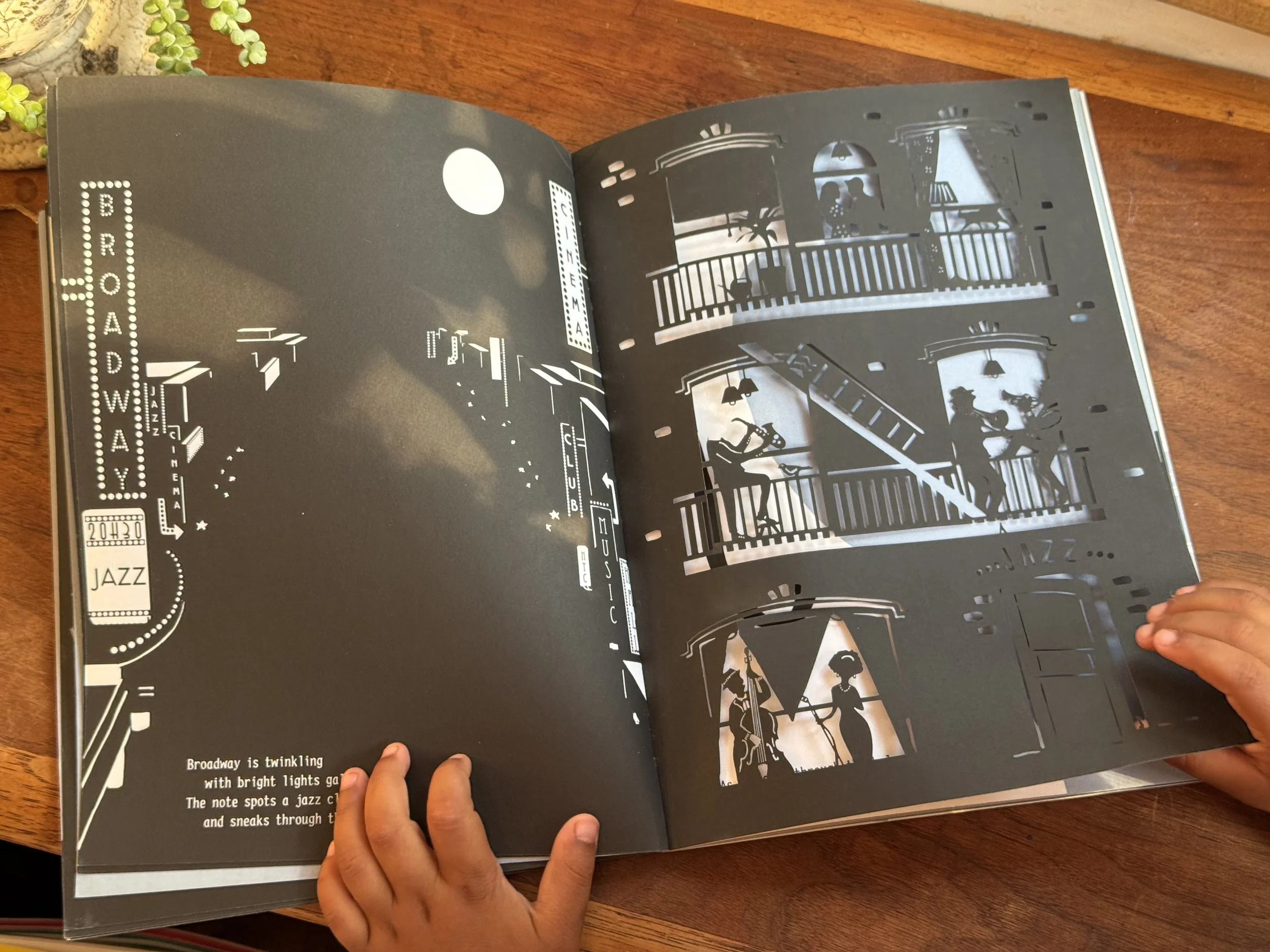
New York Melody One of our favorites to sit on the couch and look at while listening to Duke Ellington’s “Take the A Train.” It’s so beautiful!
I hope you enjoyed this long post about some of my favorite books that are all inspired for the love of music! Appreciation of music and art and excellence should start from the beginning. Help me spread the word that the love of music begins in early childhood and that nothing is as formative as those years of birth - age 6/7. Bring your children to the museums, blast opera and imitate the singing, show them that you are excited listening to that opening clarinet solo in Rhapsody in Blue and guess what - they will be excited too! Happy memory making!
Stay tuned for my Holiday Musical Books Roundup later this month. Some of these books coming up are so special and I am already so excited to start reading and singing them to my children very soon! Bring on the snow, the twinkling lights and the nostalgic tunes. Thank you for being here!
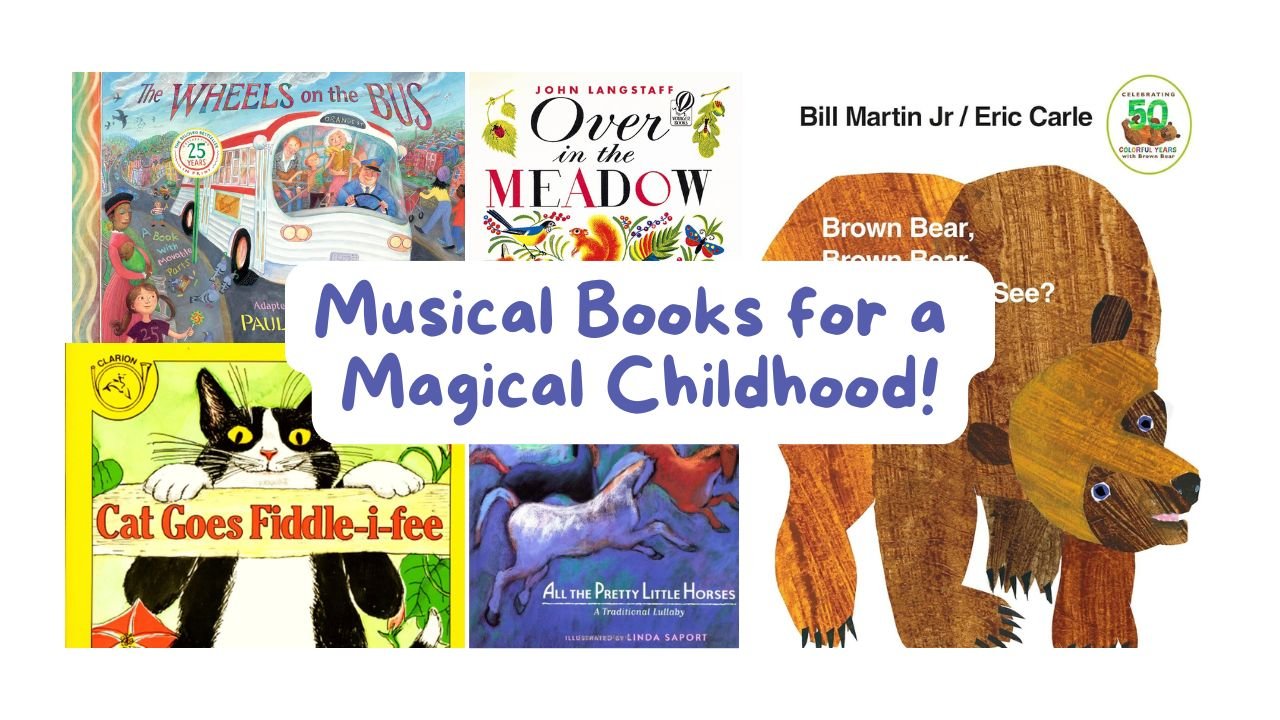
Sing-a-Loud Musical Books for a Magical Childhood
This post contains affiliate links. If you purchase through them, I may receive a small commission - at no extra cost to you. Thank you for supporting my work!
This musical books list is going to be a little different from your typical “Top 10 Books for Children” posts that you see floating around. Instead of just giving you a list of titles, I wanted to share the why behind these selections - some history, some insights, and yes, a few random thoughts. I mean anyone can type out a list of musical books. Heck, I’m pretty sure there are already countless lists of musical books online already, but I wanted to not just suggest titles, but delve a little into the why, which to me, is far more interesting than just a list of books. I am blessed to have a child who asks “why?” to basically every single thing, and I have to admit he probably got that innate curiosity from me. LOL. The apple doesn’t fall far from the tree is so very true in this case. So if, like us, you are curious and like to know the random thoughts behind book selections, make sure to grab a nice cup of coffee or tea and settle into a chair when you have a few mins of quiet. By the end of this post you’ll see exactly why I believe musical books are essential for a magical childhood!
Everyone talks about reading books to your children. There are even challenges to read 1,000 books with your child before kindergarten, but hardly anyone talks about singing books to your child. And that astonishes me. Singing, rhyming, and rhythm are core pillars of pre-literacy and brain development. They build memory, language pathways, beat competency and future reading skills, yet so many parents are missing out on this simple, powerful tool.
So, for Part 1 of this musical book series, I’m starting with the sing-a-loud books - the ones you don’t just read, but sing out loud (many of which you’ll already know by heart, I bet). And one that may even be considered controversial!
When we sing a book with our little ones, we are weaving that memory into their childhood forever. Research even shows that oxytocin (the bonding hormone) levels double in young children when hearing their parent sing, compared to regular speech. That means that they feel more bonded, safe and loved. So those books that you sing with your children…those will be ones that they will remember forever!
Important (Please Read):
I’ve linked most of the book covers and titles below through Bookshop.org, which is a wonderful platform that supports independent bookstores! You can buy directly from local bookstores through their website, and 80% of their profit goes back to bookstores! I always aim to use my online presence to uplift businesses (especially small businesses) doing positive things. With that said, I also know that Amazon has become a way of life for many people, and that authors do rely on Amazon rankings as well, so I have included Amazon links at the bottom of the post. And finally, this is a BIG list of books- try your local library and see if you can check some of them out first. <3
Sing-a-Loud Books
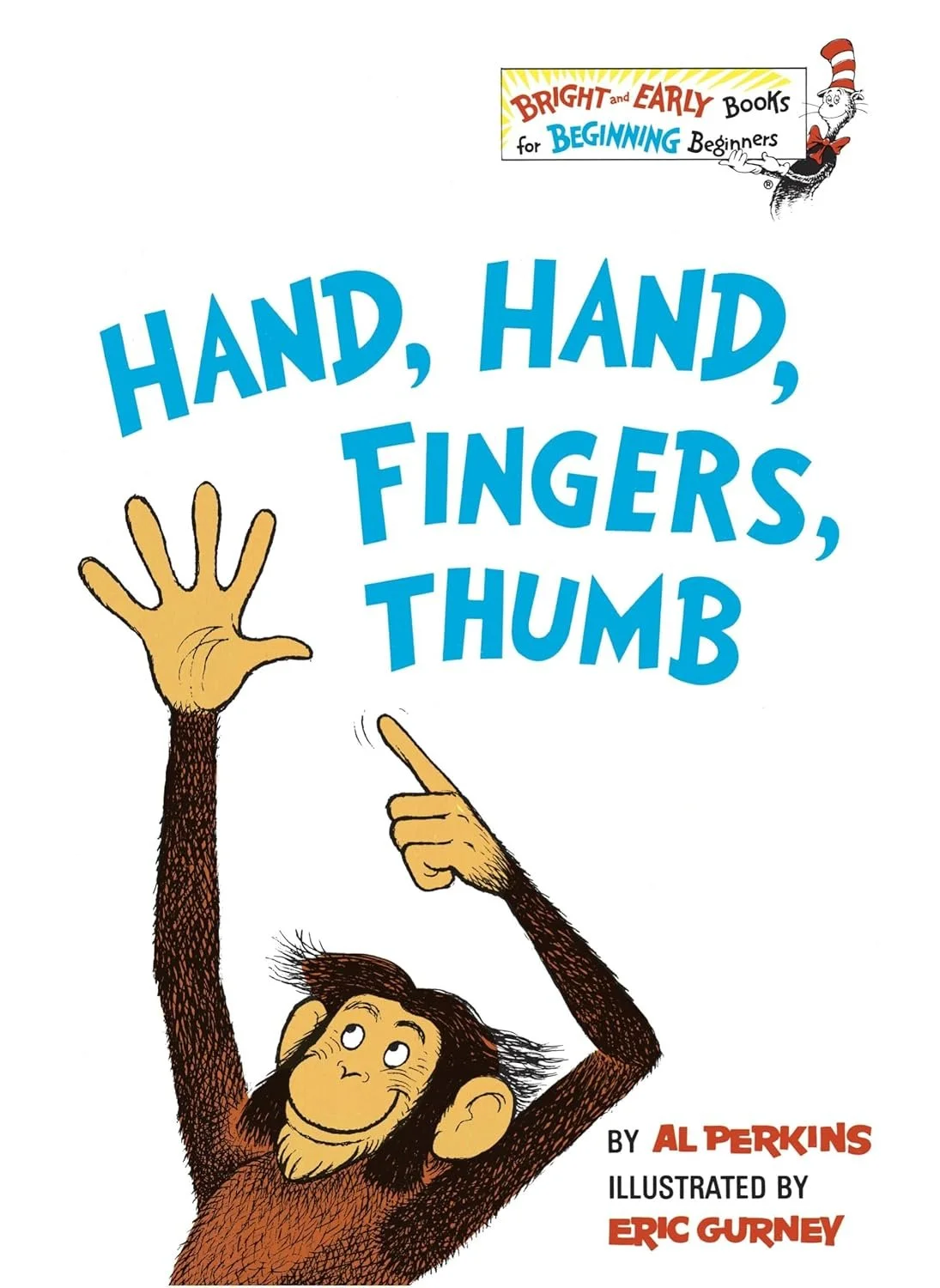
Hand, Hand Fingers Thumb is one of the top three favorite musical books in our household. I did a musical read aloud of this iconic little book on social media. Click reel to view on IG. My children know this book backwards and forwards and frequently I will hear them chanting the rhythms from this delightful little book! Or when they are asked to create a rhythm on an instrument, without fail, they will break out with a little rendition of “dum ditty, dum ditty, dum, dum, dum.” :)
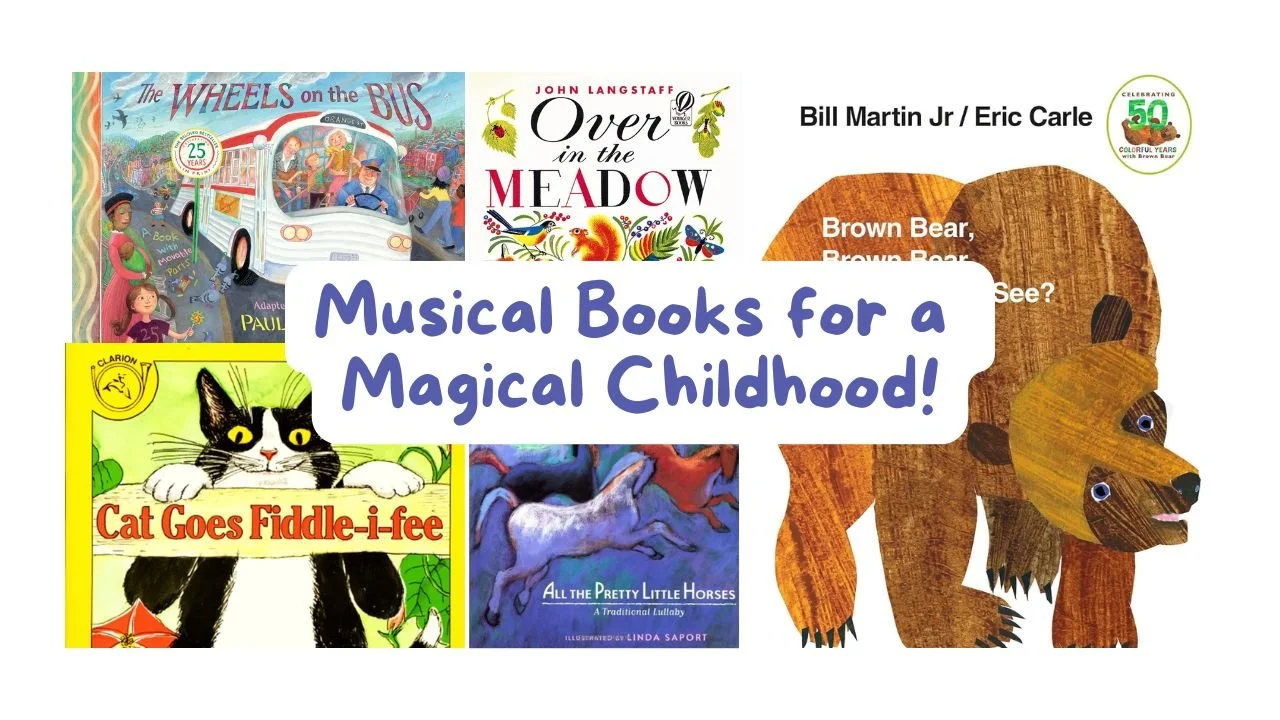
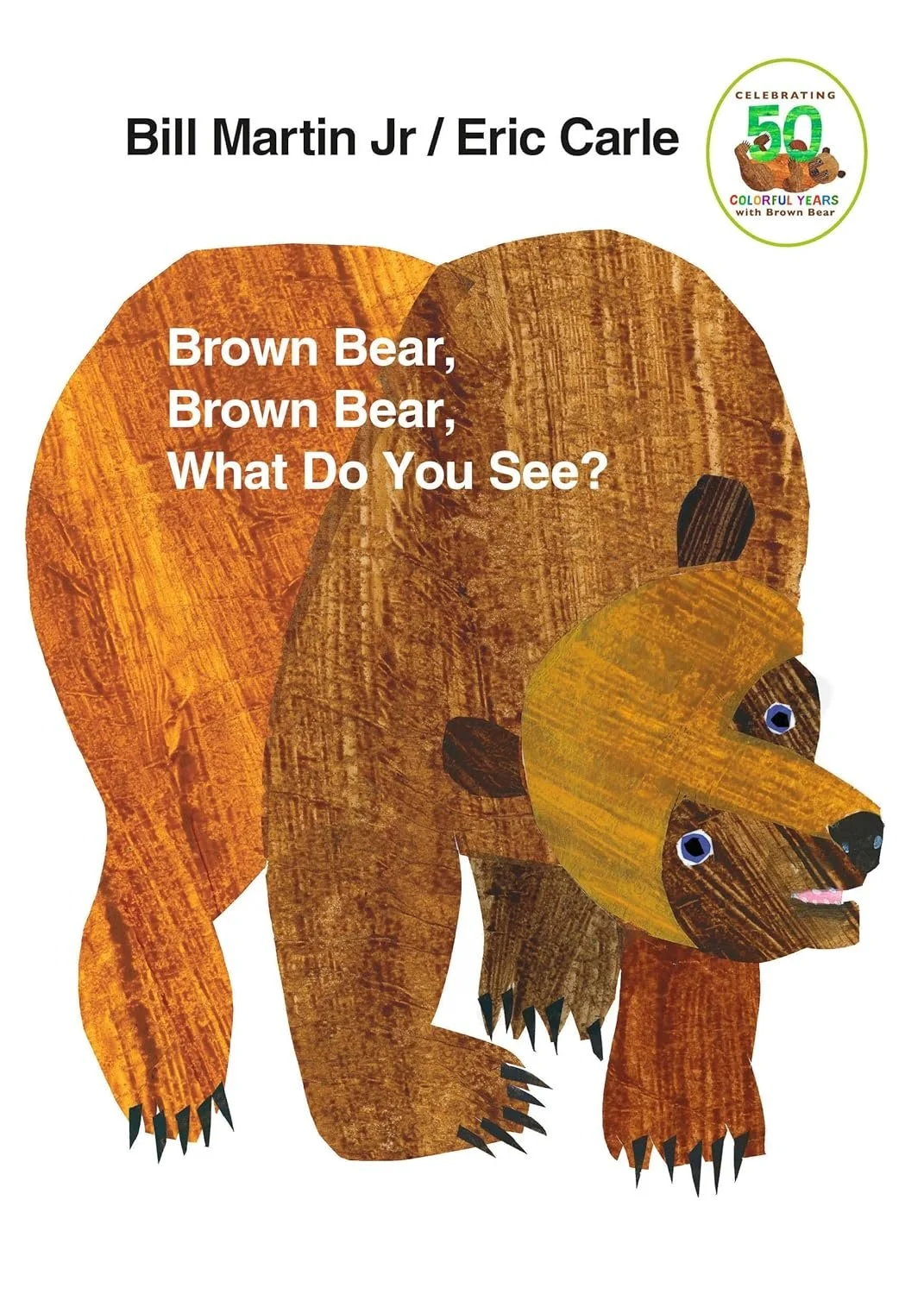
Brown Bear, Brown Bear, What Do You See? is another top three contender in our house. This book can be sung from day 1 when your baby first arrives. You can sing the melody of the book to “Twinkle, Twinkle Little Star.” Magical Music Method members have a video lesson on the singing of this book in the musical books section, with a slight variation on the Twinkle, Twinkle melody. There are also many different melodies that can be sung with this lovely book. Children seem to latch onto this melody quickly and love the colors and simplicity. My youngest child will often be found singing randomly, “red bird, red bird what do you see?” I can assure you that there is nothing cuter in the entire world than to walk into a room finding your child singing to themself.
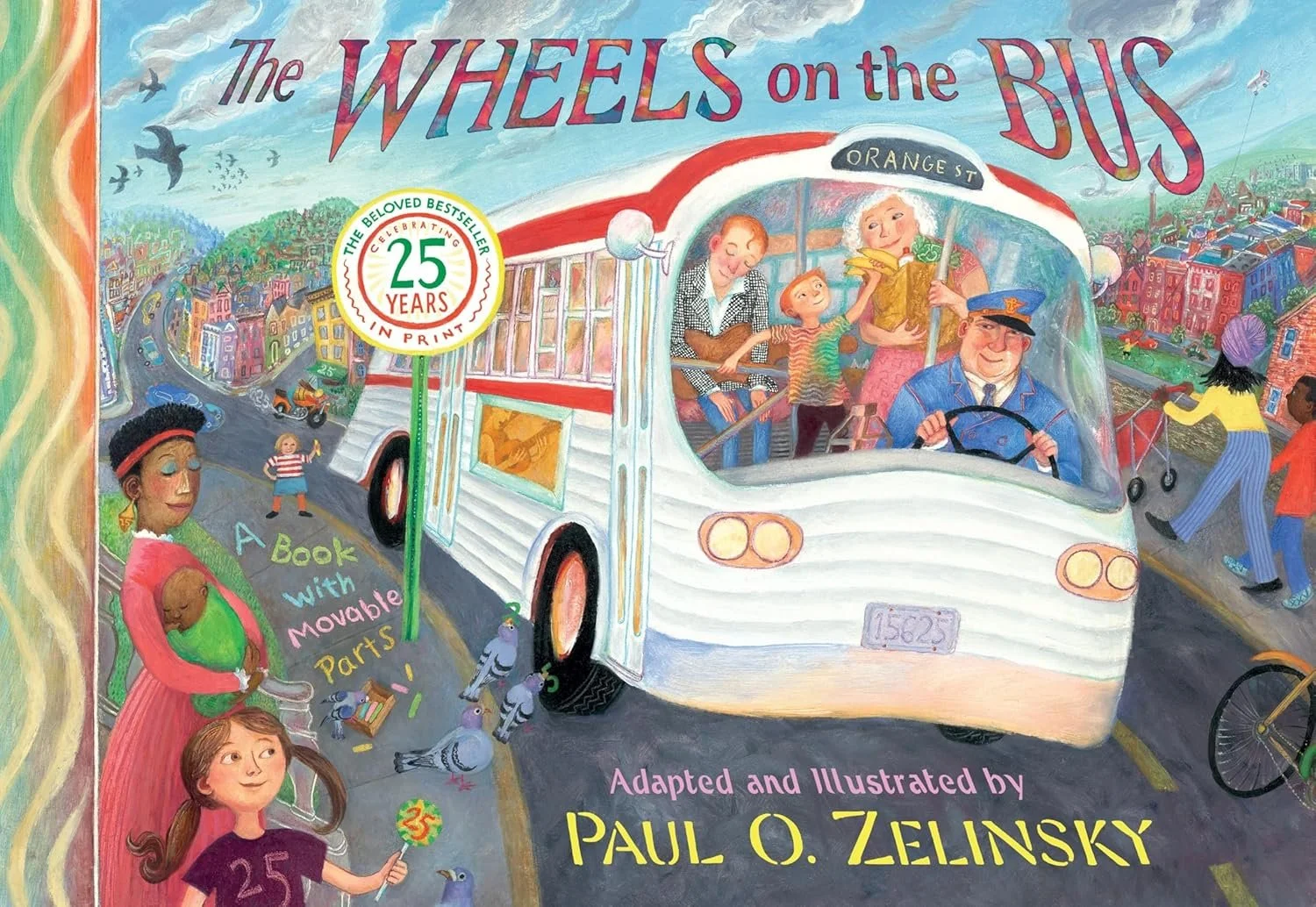
The Wheels on the Bus is maybe the most popular toddler song in the Western World?? I don’t know one single kid who doesn’t love to bust out singing this song. This book is so, so special with it’s movable parts and colorful illustrations. I only urge you to store it up high so that the book is used when an adult is present, otherwise, the movable parts may get ripped off. It’s my favorite book to use with this song and it has been cherished for yearsss!
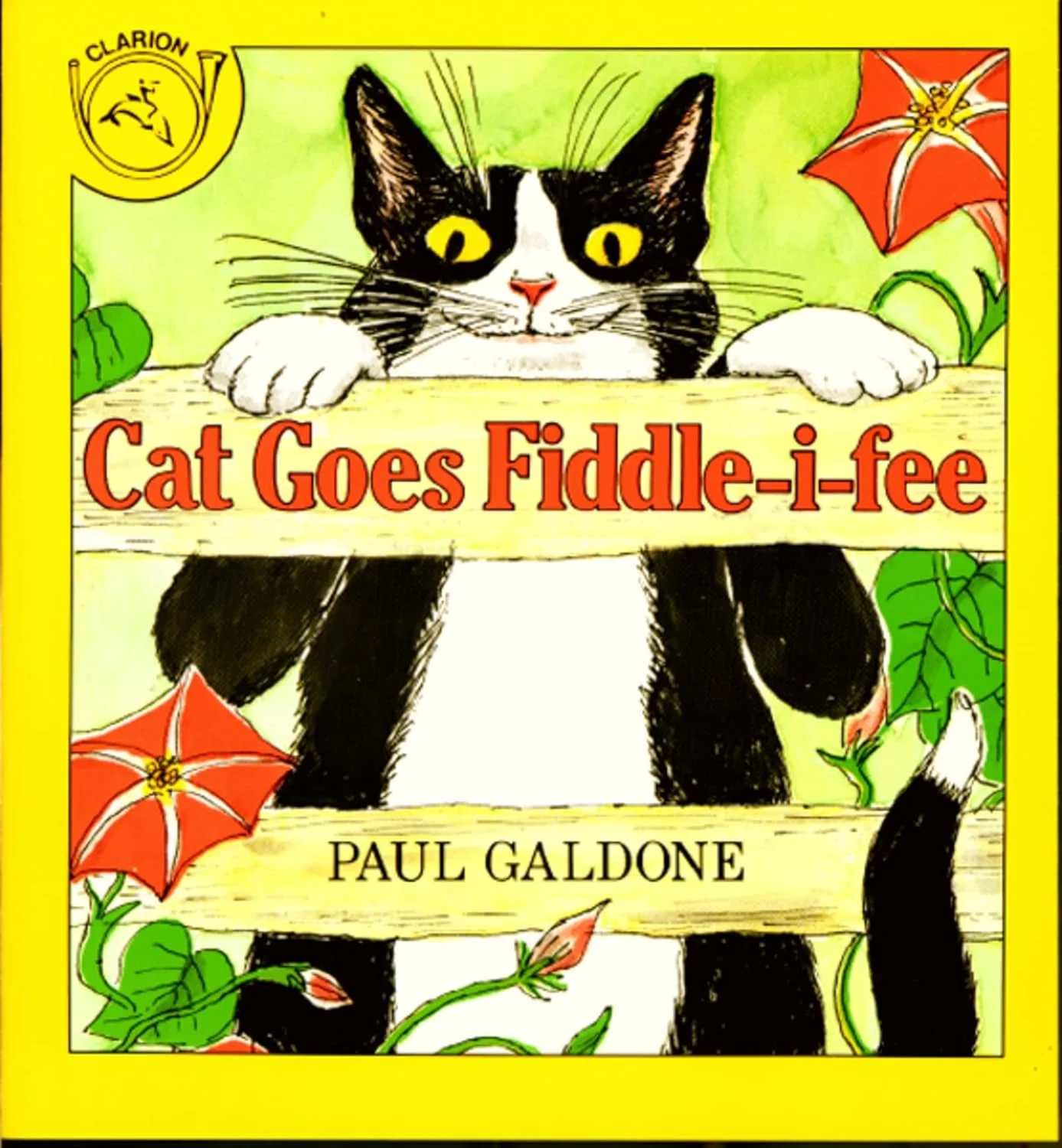
Cat Goes Fiddle-i-fee is based on the children’s nursery rhyme/children’s folk tune that is believed to have originated in England, though there is some uncertainty in the history, as the tune appears in a lot of early Americana music under slight name variations. All that to say, this song has stood the test of time with it’s clever rhymes and is a favorite of children. A perfect book to sing with your littles one to build strong pre-literacy skills!
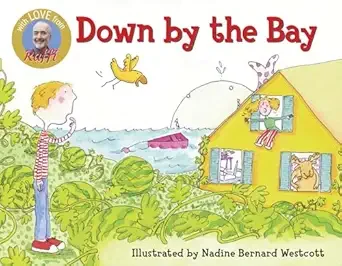
Down by the Bay is a very old song that some say have Greek origins and was made popular by Raffi in his 1976 album ‘Singable Songs for the Very Young.’ If you’re not familiar with this song I highly encourage you to listen to Raffi’s recording, and I bet you will not be able to help yourself, but sing a-long in no time at all. But then, most importantly, learn the melody so you can be the main star when singing it to your little one. They will absolutely love this super fun, rhyming song!
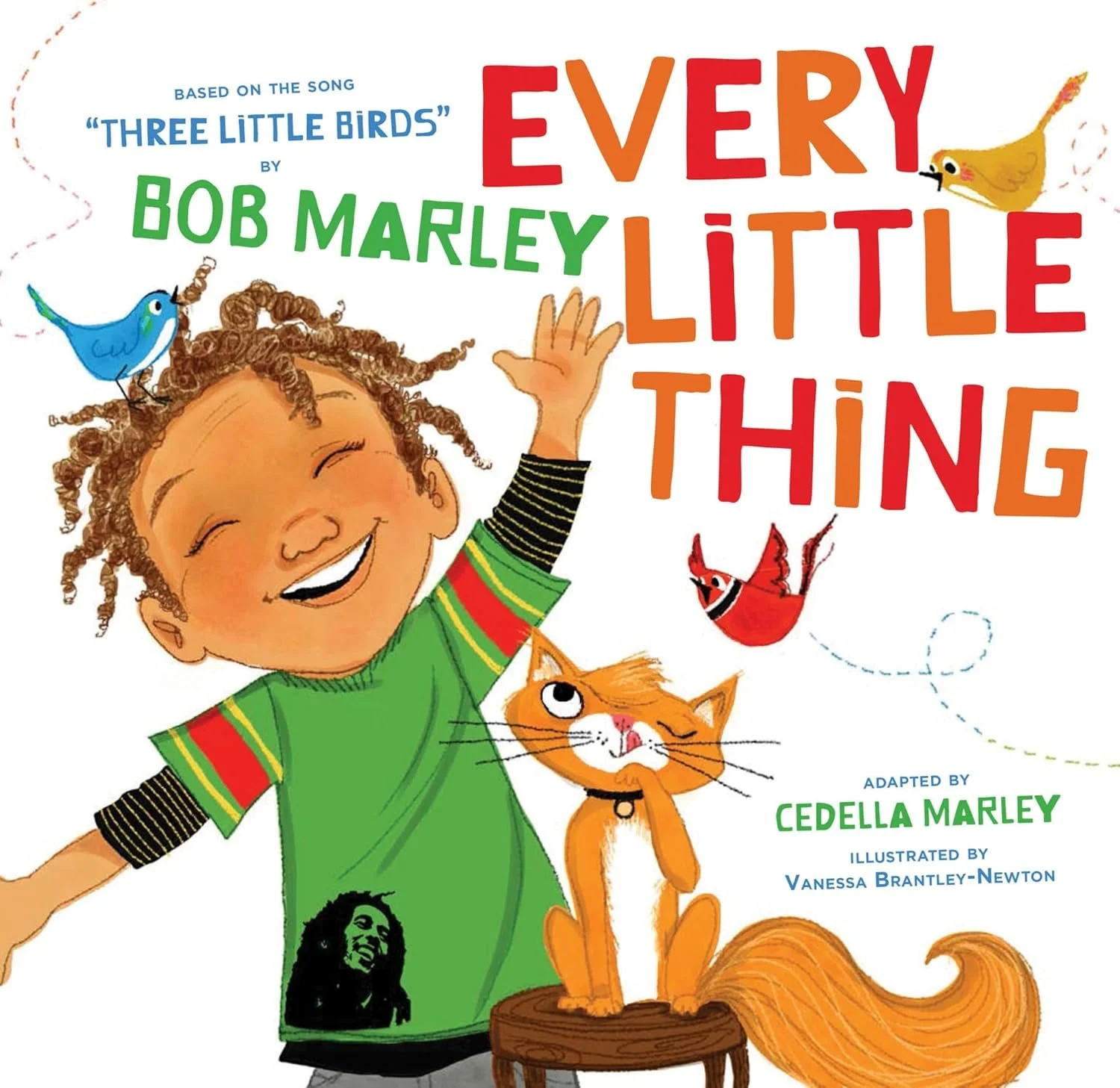
Every Little Thing is a sweet book that brings alive the magical words of the Bob Marley song. “Rise up this morning, smile with the rising sun, three little birds….” It’s an uplifting and positive song that is easy for children to learn and sing, and gives them a truly uplifting message to sing and carry in their minds. I often like to remind parents that music imprints on the mind in the early years. “Don’t worry, about a thing, because every little thing, is going to be alright.” -Bob Marley
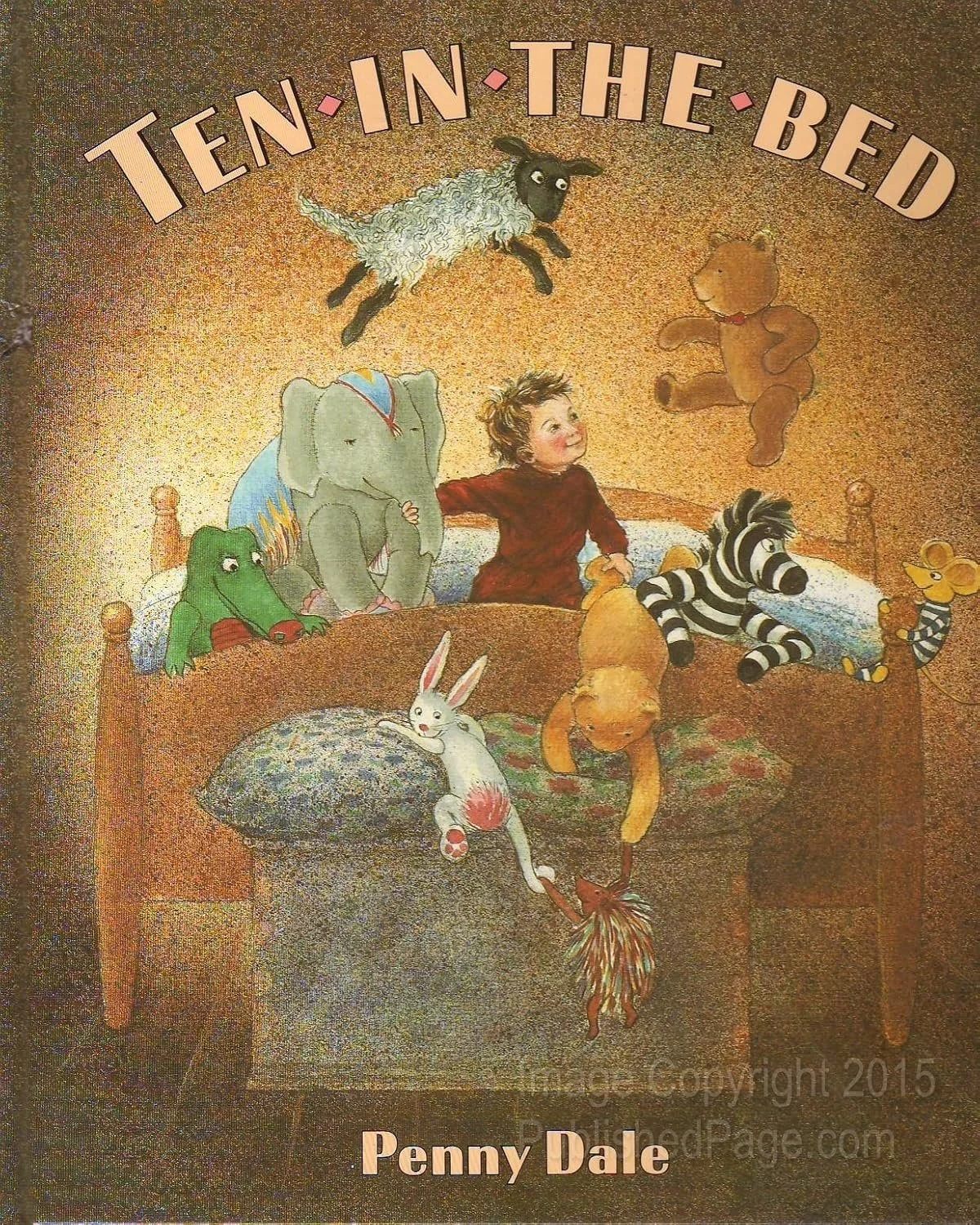
Ten in the Bed is another delightful and favorite book in our household. The song originates from a counting nursery rhyme and the song that developed with it, dates back to the beginning of the 20th century. I speak a lot about how music is the most effective tool for teaching practically everything; well this book and song is a perfect example of how a song can teach a child to count and subtract. When you start singing this to your baby, they will just love the sound of your voice and the pictures of the cute animal toys falling out of bed, but as they get older, they will begin to participate by keeping track of the animals that fell out, and what number comes next.
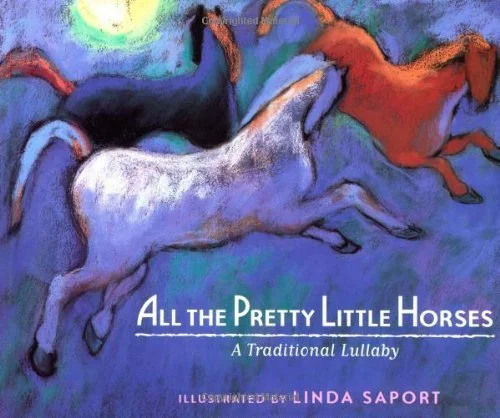
All the Pretty Little Horses: A Traditional Lullaby I included this book on my list even though it is a little bit harder to find. If the book is sold out at my provided links or is too pricy, keep an eye out on used book websites. This book is such a dreamy and magical little book. The illustrations are exquisite and really lend itself well to dreamland. For music readers, the back page has the sheet music of this lullaby. This lullaby is believed to have originated during slavery, and like many folk tunes, there are many different versions. It’s a beautiful lullaby to rock your baby to sleep while looking at the stunning images before sleepy time. So keep an eye out for a copy online, or in your local used book stores!
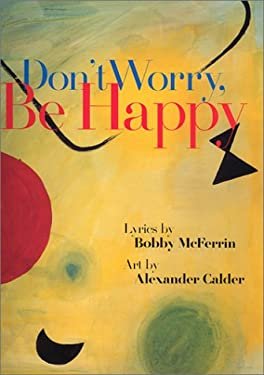
Don’t Worry, Be Happy This is another slightly hard to find book! If the price is inflated at any links, just peruse the used books websites, and you may score a cheap copy elsewhere. You may have noticed a slight trend in my love of musical books that accompany beautiful and interesting art and imagery. This book uses the artwork of Alexander Calder to the words of Bobby McFerrin’s song. It’s another feel good song with an uplifting message of joy that I find particularly necessary for childhood. Cultivating the beautiful and the positive in early childhood makes children feel secure and confident. You can explore the artwork of Calder while singing the song, and invite older children to create their own artwork and interpretations!
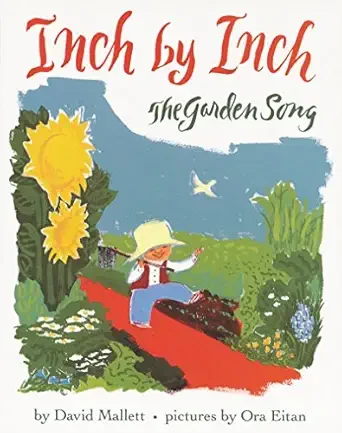
Inch by Inch: The Garden Song is an iconic and much beloved song made famous by so many wonderful folk singers, like Pete Seeger and John Denver. It’s a beautiful and simple song and this book is really sweetly illustrated. Children love to sing about what they see happening in nature and this is definitely one to use when sowing seeds wether in the Fall or Spring!
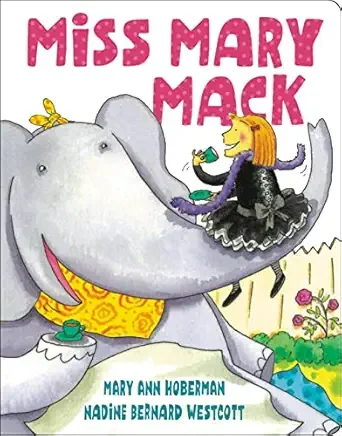
Miss Mary Mack I think mostly everyone who follows me on social media knows my deep love for Miss Mary Mack! :) There is no way I could not include a book to pair with the lady we all know and love! It’s another fun little book and a great way to introduce the song to small ones who are too little to start learning the clapping game and for big ones to engage with the song in a new way.
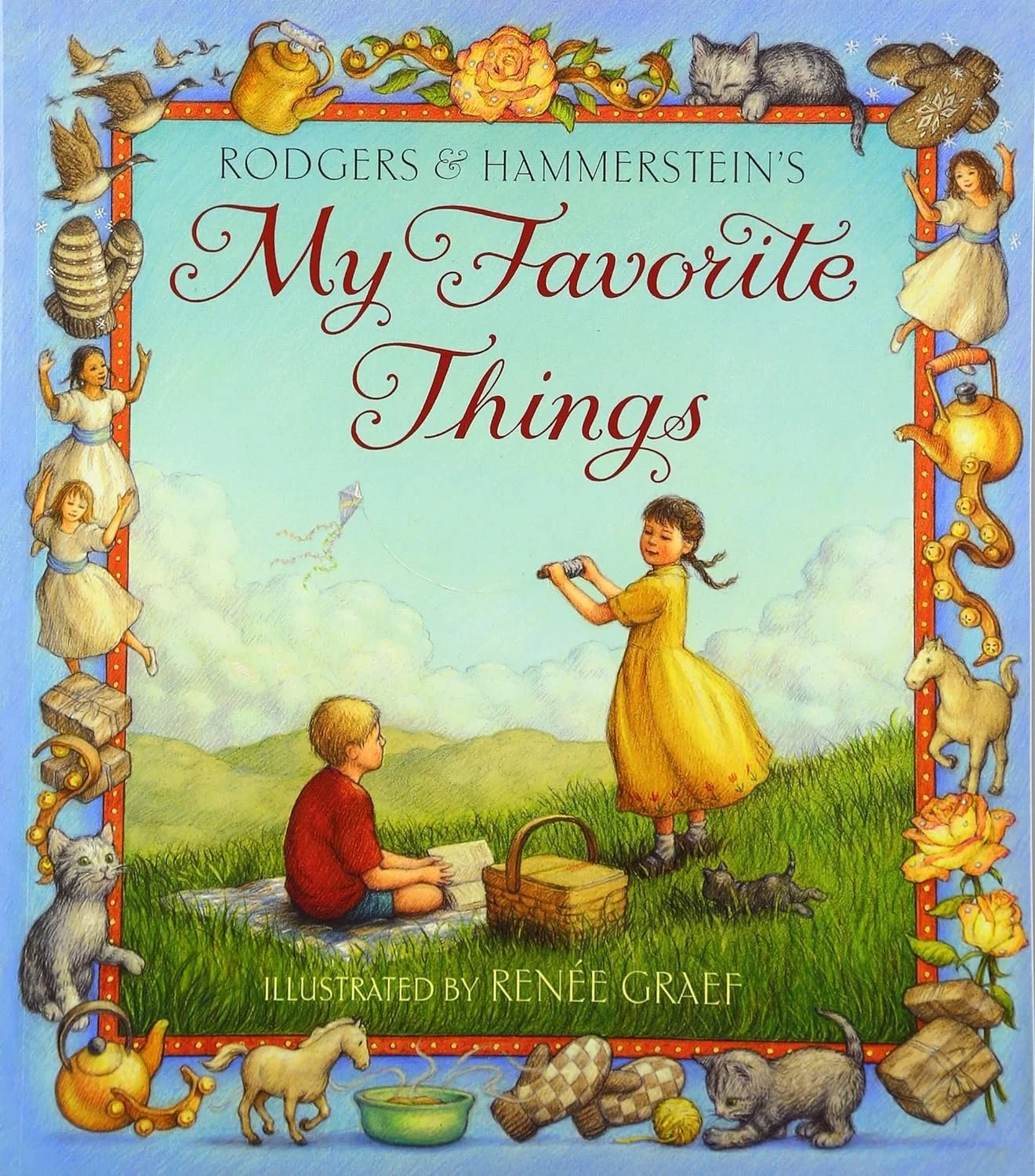
My Favorite Things is based on the famous song from the musical, “The Sound of Music.” This song is maybe the best song from that movie, though to be honest it’s so hard to choose, as all the music is INCREDIBLE. Even John Coltrane found this song inspiring as he made his own Jazz version that became a pivotal moment in his career. I highly recommend listening to the Rodgers & Hammerstein version and then John Coltrane, and then learning the song yourself to croon to your own little family! The melody and beauty of the lyrics make this a truly special song to sing with children. The illustrations are gorgeous in this book and really make the words come alive!
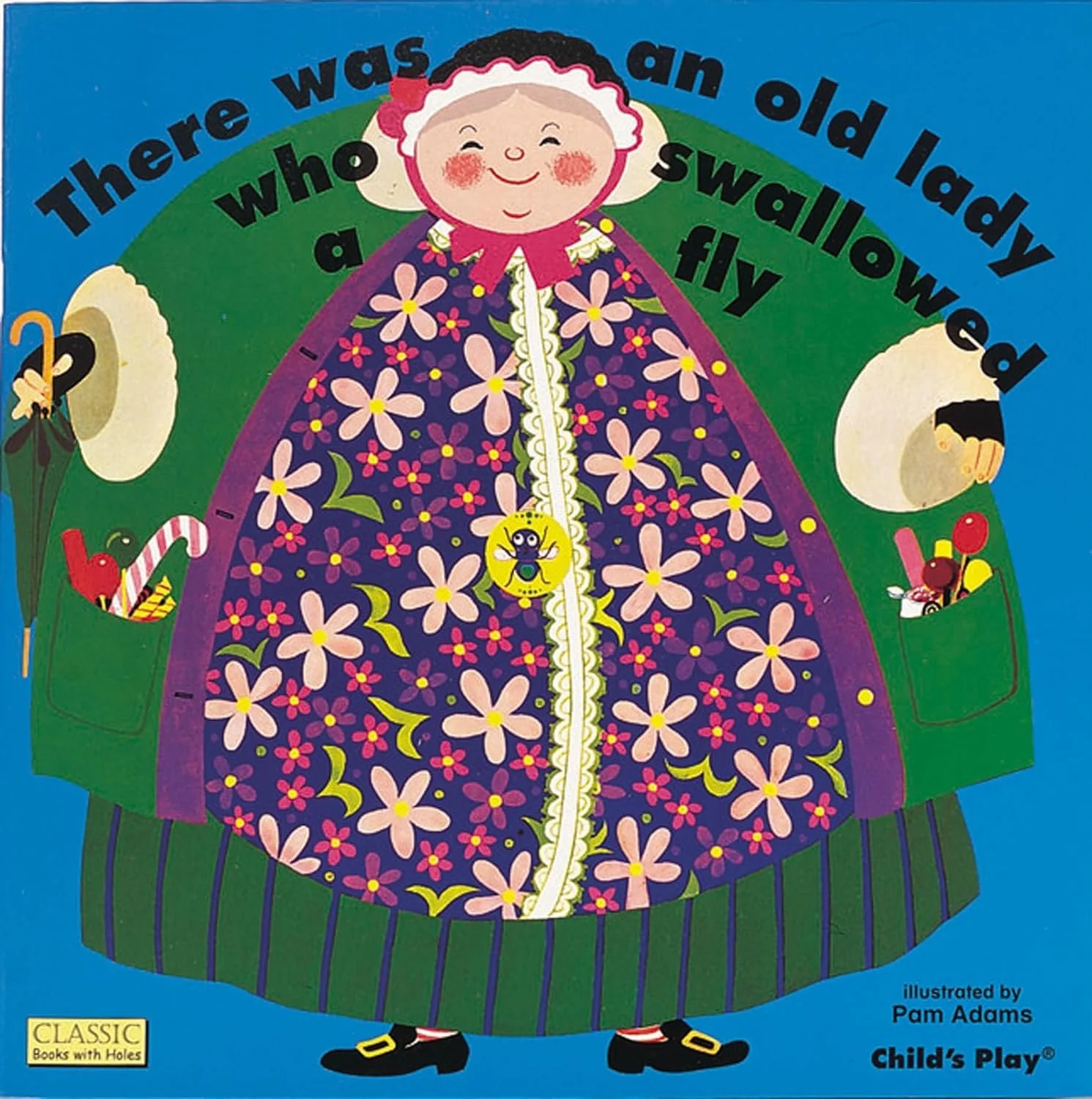
There Was an Old Lady Who Swallowed A Fly This song/children’s song is sometimes a controversial choice among parents because of the lyrics, “There was an old lady who swallowed a fly, I don’t know why she swallowed a fly. Perhaps she’ll die…” It’s clearly a silly and nonsensical song and children are smarter than we give them credit for, and know this! We don’t shy away from talking about death in our house, so naturally these types of books and songs are not controversial over here. And because children usually like these quirky non-sensical songs that rhyme, this one is a favorite and has seemed to stood the test of time! The book has cutouts that morph into bigger and bigger cutouts as the old lady swallows larger and larger animals!
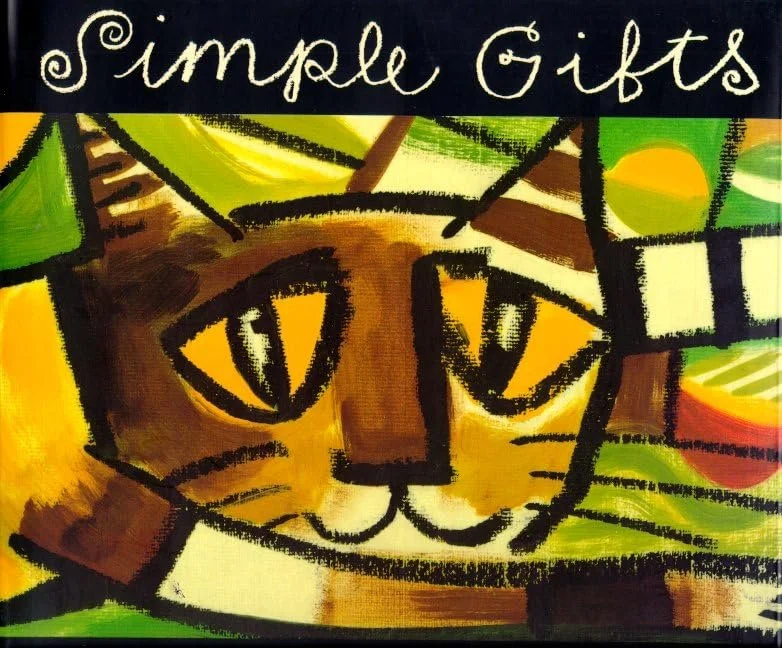
Simple Gifts is originally a Shaker folk tune with beautiful lyrics and a gorgeous melody. It was relatively unknown until Aaron Copland used the melody in the score of Martha Graham’s ballet Appalachian Spring in 1944. This book is illustrated by Chris Raschka an author, illustrator and violist who wrote another famous little book that I will feature in another part of this musical book series! This book provides an opportunity for older children to create their own artwork and explore the meaning behind the lyrics, while exploring the evolution of the song from its simple Shaker roots to Copland’s sweeping version. Bringing together music and art, and how both creative expressions serve and enhance each other.
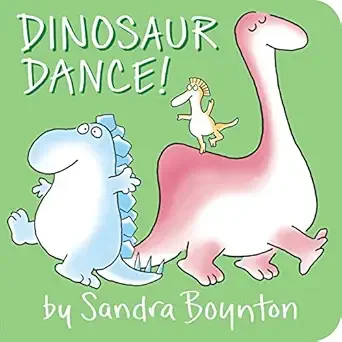
Dinosaur Dance was one of the first books my eldest child fell in love with as a young toddler. He would request it over and over. Sandra Boynton books are so innately musical and rhythmic that it is hard not to sing these books. I have my own little version of this book, but I highly encourage parents to interpret the book as you wish and have fun “sing songing” this book - there’s no wrong way to do it. This book is pure fun!
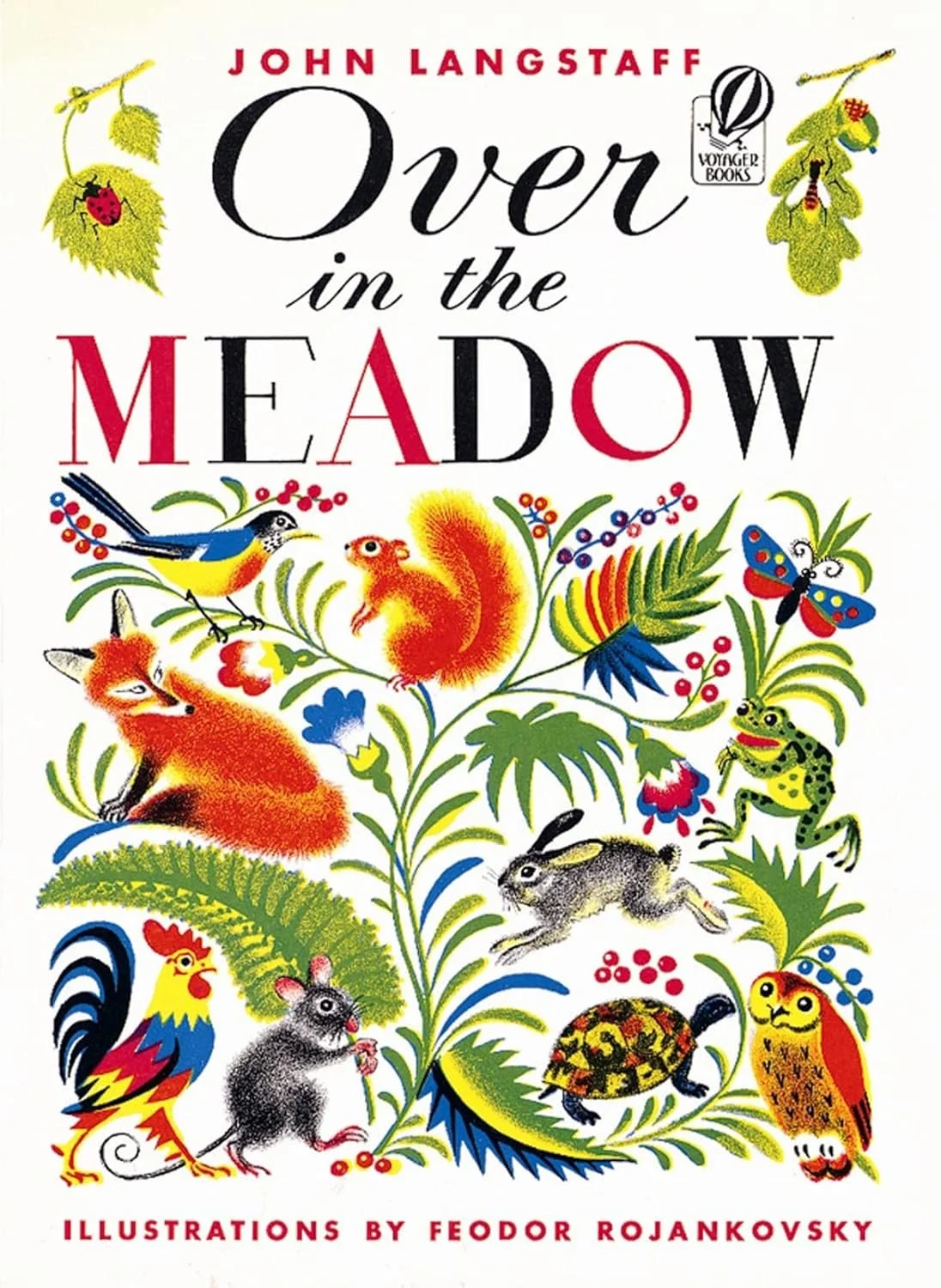
Over in the Meadow is one of my favorite songs to sing at home. This beautiful book has the loveliest illustrations and introduces counting. Before you know it, your little one will be anticipating the next number coming in the song and learning so much through the magic of musical books.
I hope you enjoyed peeking into my thought process behind these selections and that you’re feeling inspired by just how powerful singing books can be for our little ones. Help me spread the word: childhood shouldn’t be just read…it should be sung too. Singing books is a joyful, integral part of a magical childhood, and every child deserves to experience it!
Stay tuned for Part 2 of my Musical Books Series, where I’ll share even more titles, insights, history and the meaningful whys behind the next set of musical books selections.
Amazon LinksMiss Mary MackDon’t Worry Be HappyAll the Pretty Little Horses My Favorite ThingsInch by InchThere Was an Old Lady Who Swallowed a FlySimple GiftsTen in the BedCat Goes Fiddle-i-feeDown by the Bay The Wheels on the BusOver in the MeadowHand, Hand, Fingers ThumbBrown Bear, Brown Bear, What Do You See?Dinosaur DanceEvery Little Thing