
Why Clapping Games Matter in Early Childhood
An ABC’s Clapping Game for Preschoolers | Crossing the Midline & Rhythm
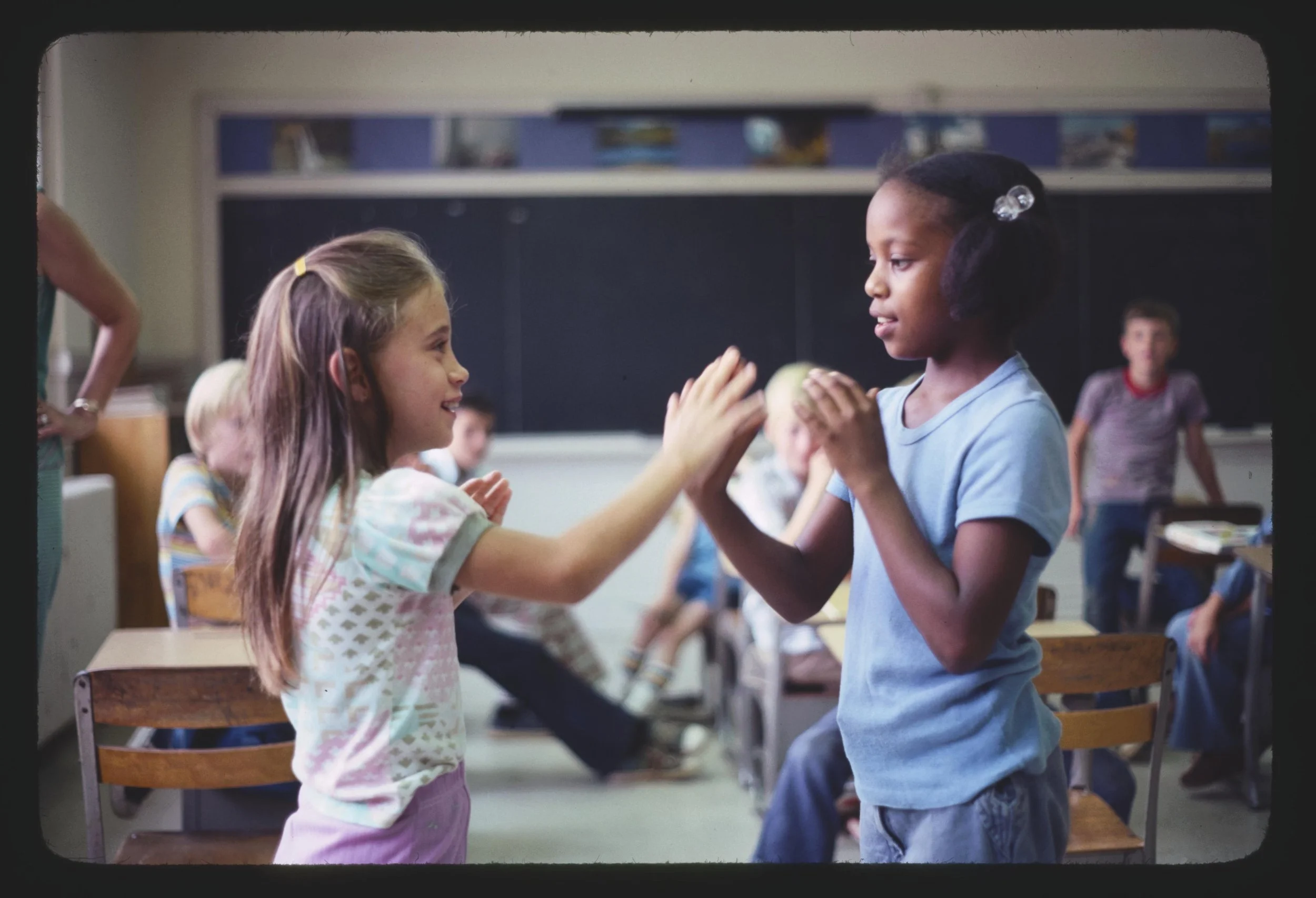
I could probably write a dissertation on clapping games. I believe they are one of the most undervalued and least spoken about musical activities available to children. They also demonstrate something that so many of the great educational philosophies have long spoken about: children learn best through play. Not worksheets. Not drills. Not flashcards. Not by optimizing every minute of their day—but through PLAY. We are little mammals, after all, and a quick look at the behavior of young mammals tells us something very important. Play is not time taken away from development. Play is one of the primary ways development actually happens.
Until fairly recently, it was commonplace to see children inventing and passing along musical games and chants in playgrounds, sidewalks and backyards. Today, all types of free play are disappearing and the reasons are numerous. One could blame technology, overscheduling, less time outdoors, fewer mixed-age groups of children, less unstructured time together etc etc, all valid root causes for sure. However, I don’t want to get lost in the weeds looking for something to blame and would prefer to focus on the positive changes we can make in our own homes, where we still have influence and impact. I believe the play of one child can create a ripple effect. Teach one child a clapping game and before long that child may be teaching it to a sibling, cousin or friend. I have seen this happen among families around me and among those of you who have found me through social media. When I started posting clapping games over a year ago on social media, so many of you told me about how much joy you were finding in this play again and I have to say it has been one of the nicest aspects of social media. It has been a lovely reminder of the good social media can accomplish when it is used well. Although my message and work extends far beyond clapping games, I am very proud to be known for helping families rediscover them again (at least in my small corner of the internet).
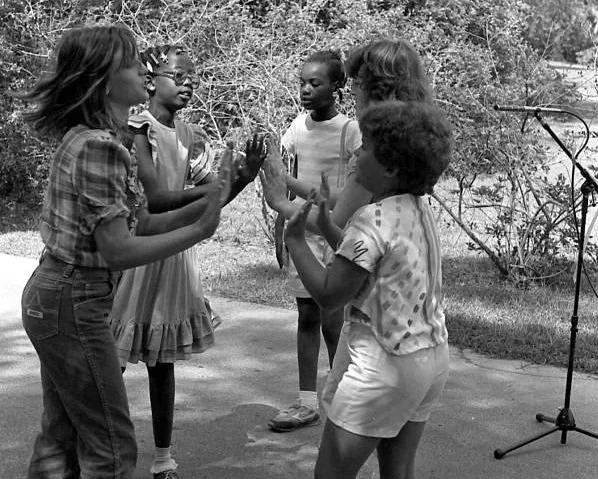
What looks like play is doing a remarkable amount of work.
Teachers have been saying for a long time now that they are seeing motor issues that were not present in the classroom to this degree—ever. So many music teachers have messaged me saying that many, many children are unable to keep a steady beat in elementary school—something that would have been unheard of a few decades back. And the truth is that keeping a beat, crossing the midline, are in fact, essential skills for not just music, but reading and writing!
Clapping games offer a child a way to practice so many skills without turning them into isolated exercises or drills. They are learning through play how to: keep a steady beat, coordinate the hands and eyes, cross the midline of the body, remember words and movement sequences, building concentration, anticipating what comes next, taking turns, adjusting their timing when they get out of sync and persisting and beginning again after making a mistake. All these abilities matter in every aspect of life and not just for musical proficiency.
When children clap across the body they coordinate movement between the left and right side which is the type of bilateral coordination used in everyday life and necessary for reading, writing, getting dressed and more. And also, beyond the physical component of clapping games is the language component which often involves rhyming, syllable play and patterns that help lay important pre-literacy skills. All that silly, sing-song syllable play and chanting is gold for the auditory system and strengthens phonemic awareness.
Beyond the auditorial and motor skills development, one of my favorite aspects of clapping games is that the “mistakes” that can occur actually have immense value in of themselves. As children play clapping games they usually become faster, sillier and more complicated until someone “messes up.” It results in laughter and shared connections as children learn to reorganize themselves and begin again, not letting themselves be deterred by a mistake. What a life lesson! The experience of clapping games, where children have to look at each other, pay attention, and move in synchrony creates this magical embodied experience for them where they see what cooperation in action looks like.
I have shared many clapping games on social media, created a curated selection with tutorials in my early childhood music method and will continue to keep sharing, even as I speak more about my elementary homeschool music curriculum, Living with the Muses, because I believe this play is essential— and maybe needed now more than ever. The end goal is that by teaching the clapping games we knew growing up to our own children, they will then pass them on to their friends, reinvent them, and ultimately create their own new ones that will reflect the history and time of their own generation.
A New Way to Sing the ABC’s as a Clapping Game
I happened upon this verse by Trevor Smith Westgarth and immediately knew it would make such a perfect little clapping game for my preschooler. What could be better than learning/reinforcing the ABC’s in this new way and working on the wonderful skills outlined above?! I took a little tiny liberty with changing his lyrics from sing to clap, but whichever way you choose to sing it, I hope you and your preschooler (or even older child) will enjoy learning this!
Walking the Alphabet
Trevor Smith Westgarth
A B C D E F G
Sing the alphabet with me
H I J K L M N
We’ll sing it again and again
O P Q R S T U
Fun for me and fun for you
U V W X Y Z
Now the alphabet’s been said.
[To the tune of Twinkle, Twinkle Little Star. Repeat the first four bars of the tune for H I J K L M N.]
Thank you so much for being here and look forward to hearing if you try this clapping game with your children.
Musically yours,
Veronica
Writing a Homeschool Music Curriculum
After a year and a half spent creating my first homeschool music curriculum, I’m returning to this littler corner of the internet to share the story behind Living with the Muses and the deeply personal letter that opens its pages.
Hello—long time readers! It has been a while since I have written here on my blog. We have a new name—Musings, and I couldn’t be more excited to start writing here again. The better part of a year and a half has been spent writing my first homeschool music curriculum, and now that I am on the other side and have a finished curriculum in my hands, I find myself constantly flipping through the pages in amazement. I don’t say this to boast, because truly, a huge part of this feels so surreal. I look incredulously at the finished book, and I have to say, I am so proud I could burst. Even if only a few families ever purchase and I don't retire on a Greek isle from sales ;) I can honestly say that I would do it over again, because the feeling I feel, and the excitement at the connections I made throughout writing this curriculum are worth every ounce of sleep I gave up writing into the night and early morning.
It started out as me scribbling ideas and thoughts in my little notebook beside homeschool lessons plans and endless to-do lists that never get done. I had been giving a lot of thought about how I wanted to teach my eldest the subject of music in a more formal way, now that he was in first grade. It was so exciting to see him grasp deeper concepts over the past year, and become truly interested in learning. I thought it was now time to start teaching music theory, as he had been learning music strictly through an aural and kinesthetic approach up to that point. I had not yet started teaching him to read music—and that was on purpose. As I started digging deeper into how I wanted him to learn—which was totally different than how I had learned—I kept coming back to how music is really integrated with everything else. I’ve always loved reading about Ancient Greece and its ideas about education. I slowly started ruminating on all of this, and I was begin to see that everything I loved about different educational philosophies could usually be traced back to Ancient Greece and its ideas.
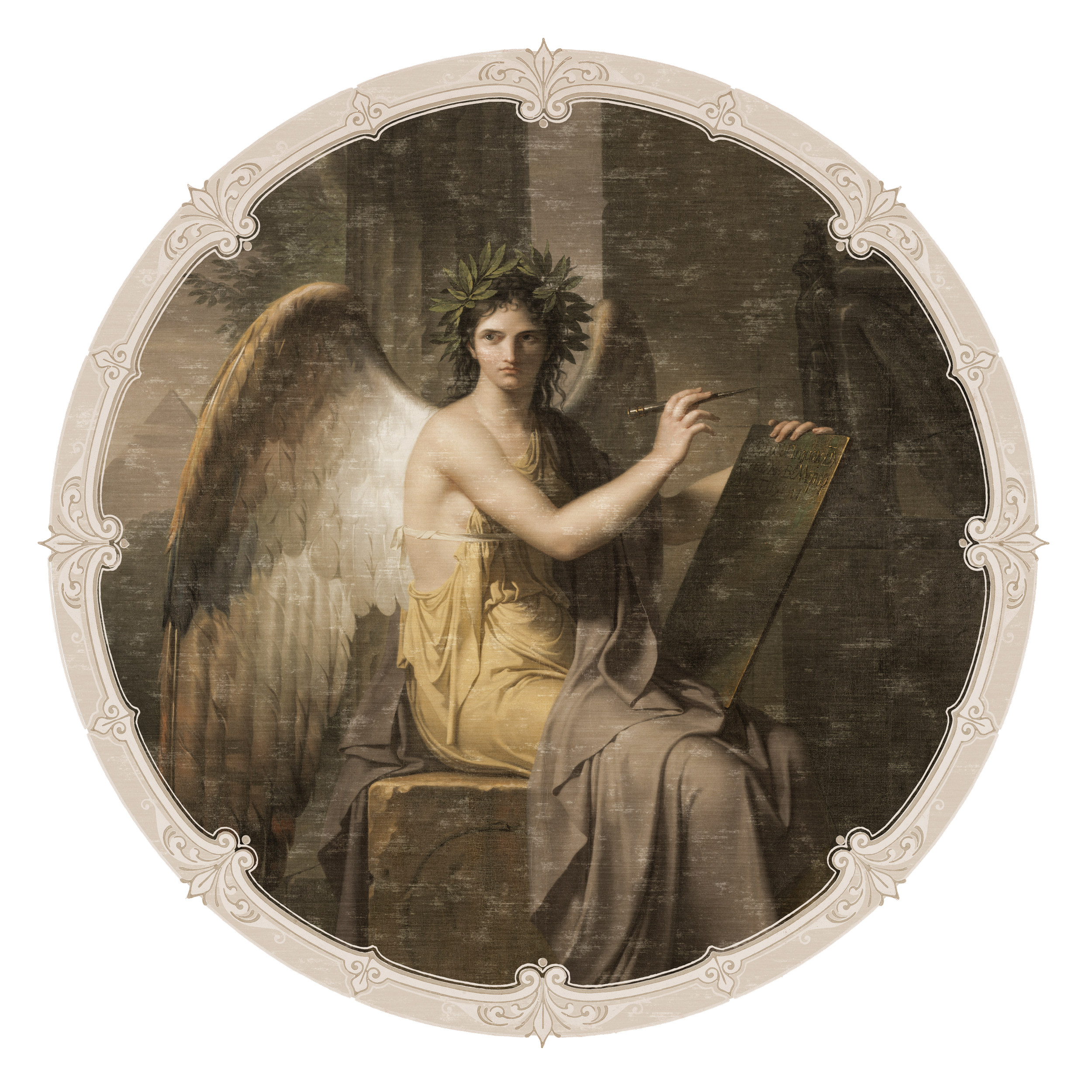
“He who has a taste for every sort of knowledge, and who is curious to learn and is never satisfied, may be justly termed a philosopher.”
—Plato, The Republic
I also luckily chose a Godfather for my youngest son who reads and speaks fluent Ancient Greek, Latin and many other languages. He is one of the most intelligent, humble and kind people I know, and I feel that I could pick his brain endlessly. He has given me so much food for thought over the years, and I am always in awe of his genuine love of knowledge and learning. He is exactly the kind of person I hope my children will emulate and who I aspire to be like, though I fear I would need to live a thousand years to get even remotely in the same sphere as him. You will see him carry a new (often old) book to Mass every Sunday—Socrates (in Greek!), poems by T.S. Eliot, you name it. He probably does not know this, but he inspired this curriculum in many ways. His love of learning, reading all forms of literature, art, music and making connections across subjects has inspired me beyond measure. So this curriculum is, in many ways, my attempt to pass on what he embodies: a genuine love of learning and the beautiful fruit of a true liberal arts education.
With that said, I thought I would share the opening letter from my new homeschool music curriculum, Living with the Muses. I wrote the letter when I was in the throes of learning new Adobe software, with my sweet little baby in her carrier on my chest and so many emotions coursing through me. I struggled to find the words to express everything this curriculum is to me and everything I hope it will be to many families. It’s so incredibly personal to me, and with every email, comment and message that comes my way celebrating my vision, I do a happy dance wherever I am and blink eyes rapidly that seem to well up without regard to where I may be at the time.
Without further ado, my letter to the families who purchased Living with the Muses, Volume I.
Dear Families,
I never dreamed I would one day publish my own music curriculum and it certainly was not something I imagined I would be able to accomplish in this season of motherhood. Between mothering a new baby and three sons, homeschooling, my business and juggling social media, I think I have a strong dash of delusion to thank for taking this on. Of course it goes without saying, none of this would be possible without my unicorn of a husband who took over doing dinner and dishes for months on end.
If the past eight years have taught me anything, it is that motherhood has a way of changing us for the better. It stretches us creatively, emboldens us and strengthens us if we allow it. Things you never thought possible become not only possible, but necessary, because they are for your children. So here I am with a two month old baby snoozing on my chest and imaginary battles being played out at the highest decibel levels in the living room as I type away, hoping beyond measure that what I have created is beautiful and inspired.
The idea for Magical Music Method was born when I was pregnant with my first child. I wanted my children to know music the same way they learned to speak, naturally, joyfully and as an ordinary part of everyday family life. I wanted music to be something they lived with and that would cultivate their own love of beauty. As my children grew, so did that vision. When my eldest reached grade school I found myself asking, ‘What comes next?’
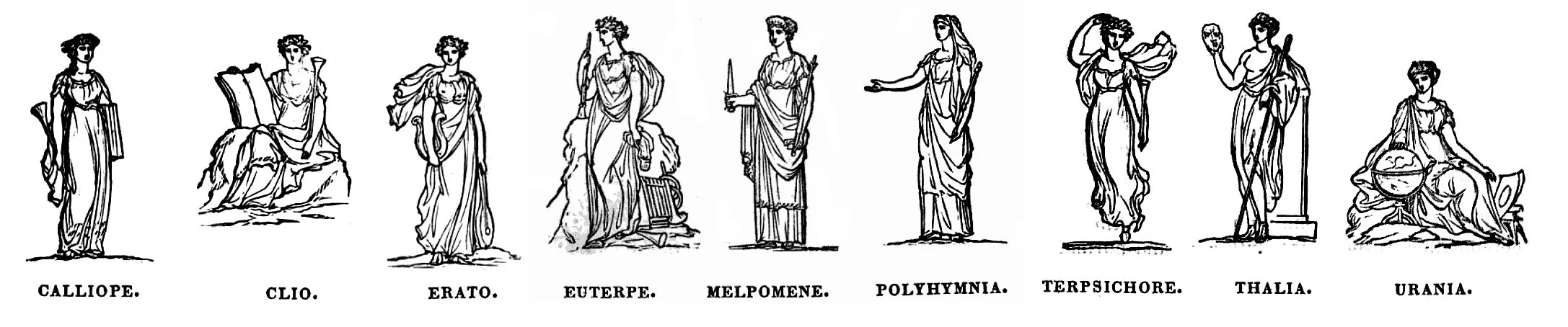
This curriculum is my answer. As I was writing over the course of the past year, I had written down An Integrated Music Curriculum as the working title of this project. It sounded boring, but I thought it was pretty accurate. I’m not teaching ‘Music Appreciation’, or just ‘Music History’, nor am I just teaching ‘Music Theory’, rather I am teaching music through the entire lens of the arts. Like the ancient Greeks! The Greeks believed in the nine muses, each intrinsically linked to music. It would be unimaginable in ancient Greece to learn music without learning poetry, and learn history without song, and to study astronomy without acknowledging the mathematical harmony of the universe. That was when it hit me – Living with the Muses. As soon as I thought of it, I knew that was it. I had nailed my entire music philosophy in one title. Afterall, the word music comes directly from the ancient Greek word, mousikē, meaning, art of the Muses. At the risk of sounding like the Dad from “My Big Fat Greek Wedding,” I’ll digress, but I think you may start to see the underpinning philosophy behind Living with the Muses.
This first volume is part of a three-volume course of study for Grades 1—6, that is meant to be lived with and revisited over and over again. Here your family will learn music, art, poetry and song together. Thank you for welcoming my curriculum into your home. I am deeply grateful that you entrusted me to share with you–mousikē.
With gratitude,
Veronica
If you made it to the end of this, thank you so much for being here. Every share, comment and purchase helps me continue the crazy endeavor of creating content that often feels like throwing a teaspoon of water into the expanse of the sea.
GIVEAWAY CLOSED. Winner selected below. As a token of my gratitude, please leave a comment with your own musing and include, if you like, “I would love a hardcopy of the homeschool music curriculum." I will choose one reader at random on September 10, 2026 @10:00PM EST and send them a hard copy of my curriculum.
Teaching Kids About Time 🕰 Through Music + Art 🎶
If you want a child to remember something,
put it to song. Music
makes everything “stick.”
I have been teaching my eldest about the clock and I wanted to share this fun musical lesson I created that incorporates music and art.
Understanding the Concept of a “Second.”
The concept of time (seconds, minutes and hours) is a very abstract idea to most children. They naturally do not keep track of time like adults, and live in the moment. When teaching about how to tell the time, it is enormously helpful to bring the idea of “time” into the body and give it a concrete meaning that makes sense to a child.
This is where music and movement can shine! Music is time and children often understand music organically and can feel the pulse of music.
Leroy Anderson’s “The Syncopated Clock,” is a wonderful piece to establish this sense of time, because the beat is literally heard with a clock ticking sound and because it’s all about a clock and children will remember this very distinct melody. Now a little warning for the non-musicians. There is some moments in the music where the “ticking sound” stops, but it is actually a golden moment of learning for the child. You can take the opportunity to teach them that the beat (ticking) keeps going even though they didn’t hear it. This will build their musicianship skills at the same time.
Leroy Anderson’s “The Syncopated Clock.”
In This Lesson:
We will use a traditional Waldorf Math verse and sing it to the melody of “The Syncopated Clock,” to teach the concepts of what constitutes a minute and an hour and how time is made up of seconds.
We will keep a beat (the ticking) to represent the second, and use large circle movement to bring learning into the body.
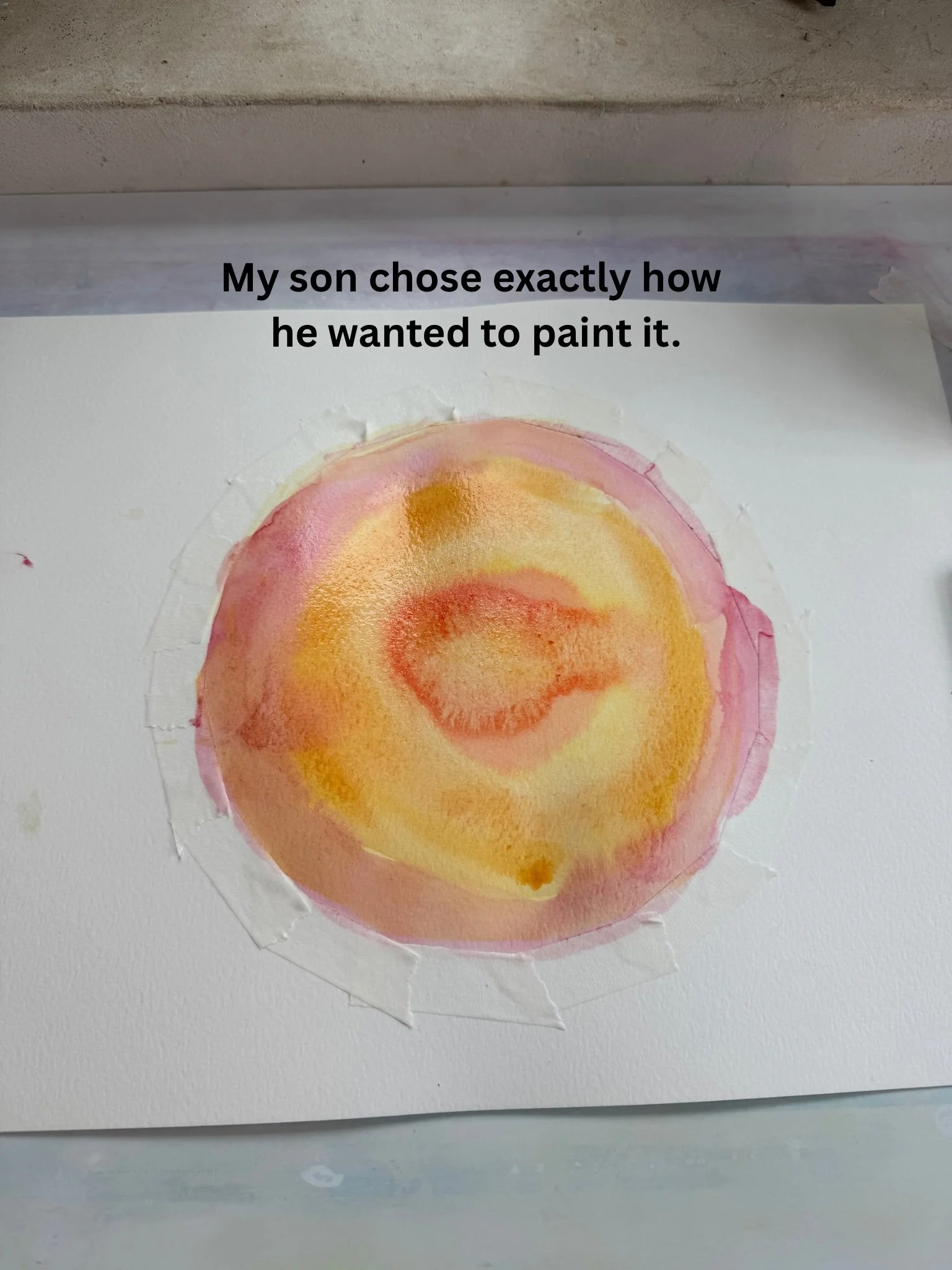
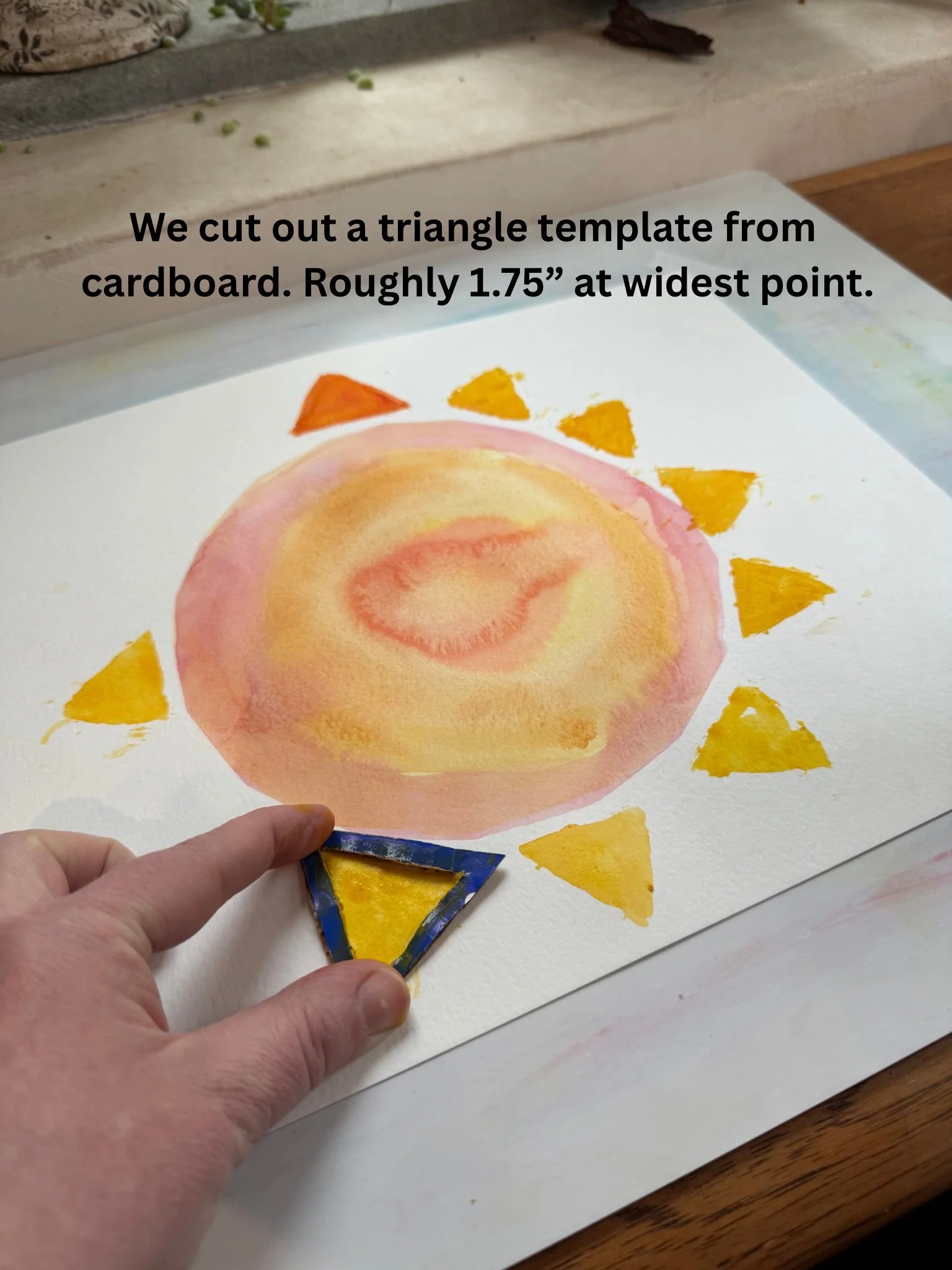
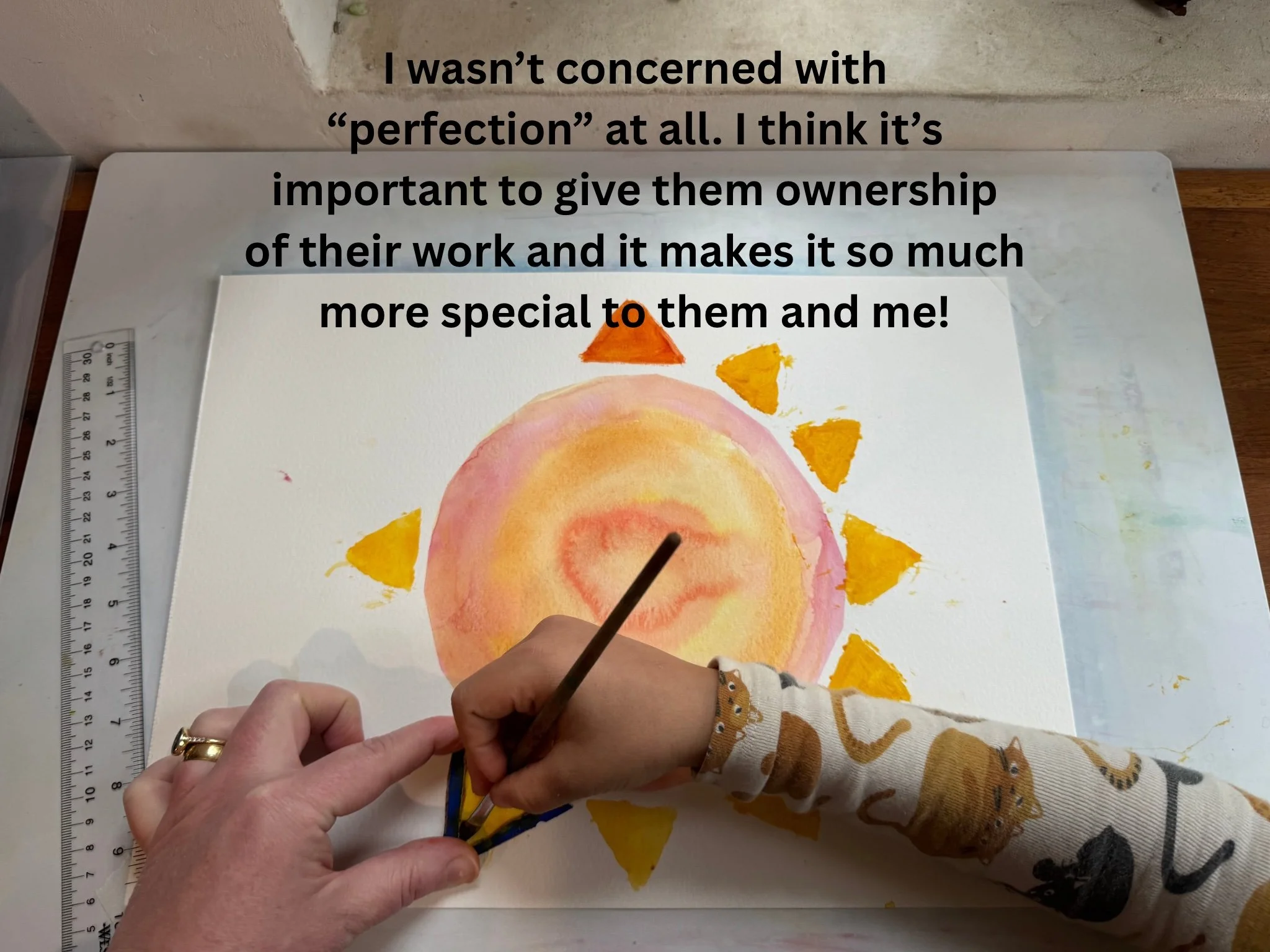
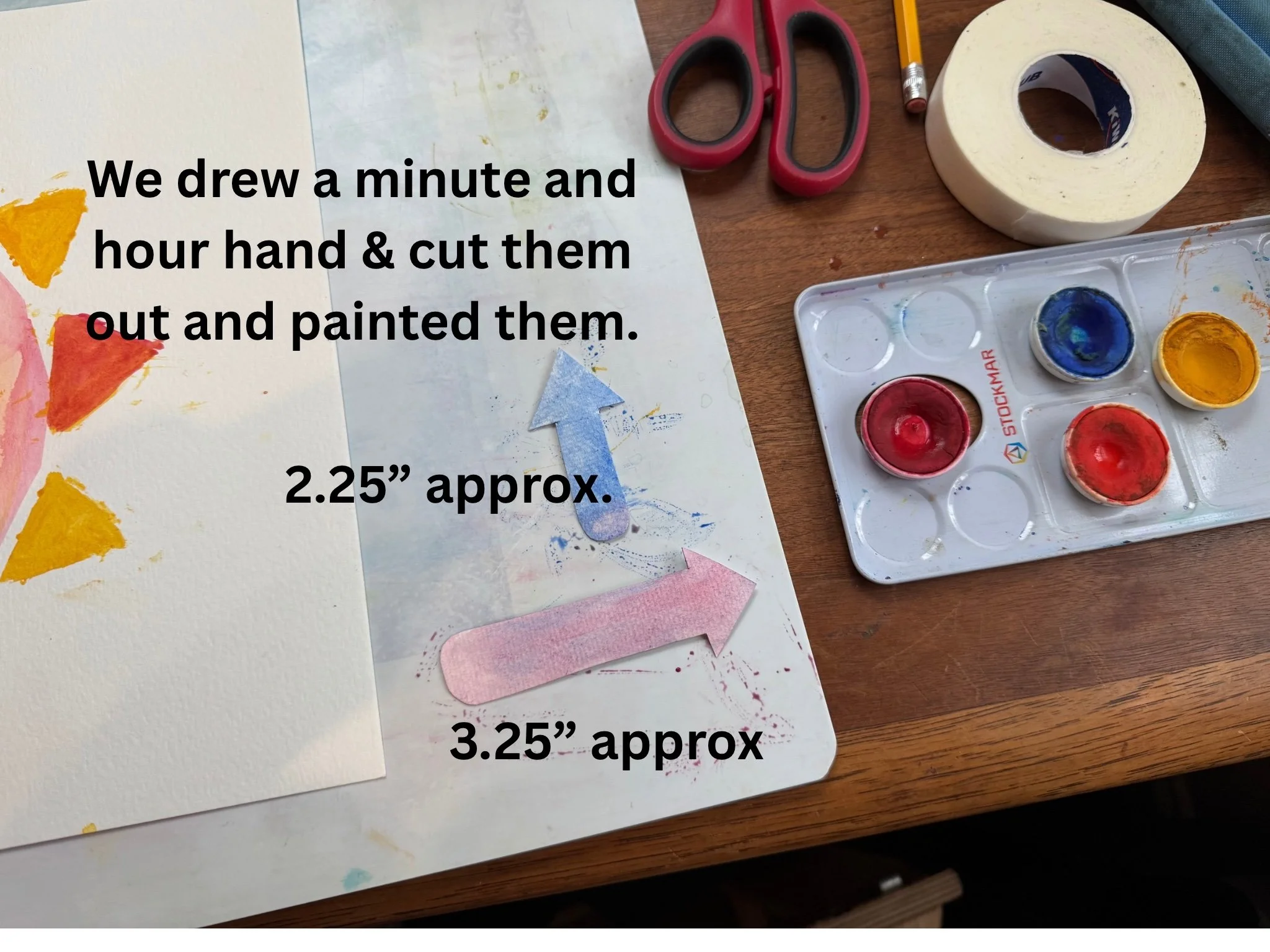
We will create a movable clock out of watercolor paper to make a useful learning tool that the child will be immensely proud of and will be useful for many months to come.
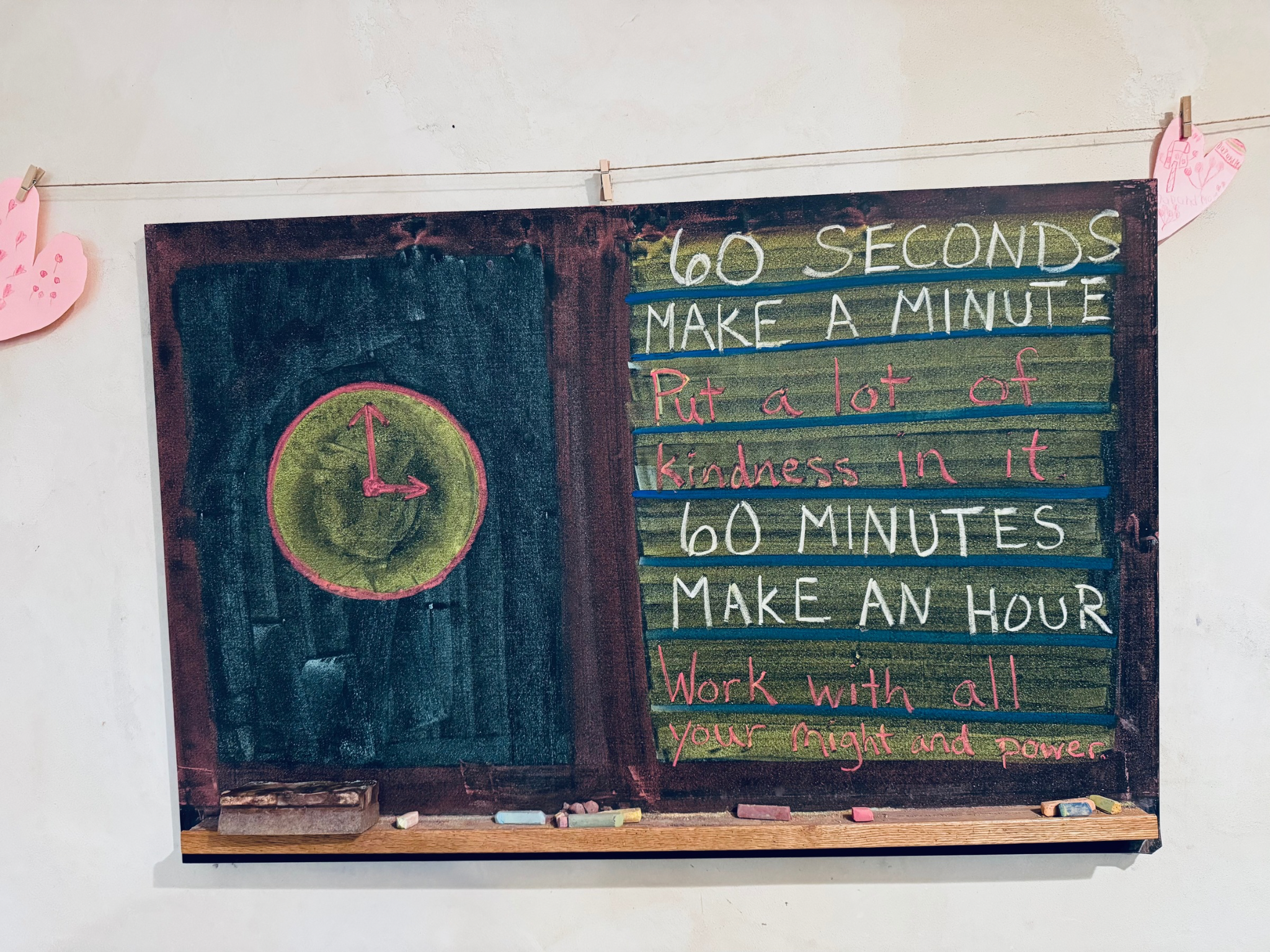
Waldorf Math Verse
By Dorothy Harrer
“60 seconds makes a minute,
Put a lot of kindness in it.
60 minutes makes an hour,
Work with all your might and power.
12 bright hours make a day,
Time enough for work and play.
12 dark hours through the night,
Give us sleep till morning light.”
Singing the Verse to the melody of “The Syncopated Clock.”
(Please excuse my 🤧 congested singing voice, as I am still recovering from a head cold. And please subscribe to my channel to help me make it to 1,000 where I can monetize. 🙏 )
Large Circle Movement
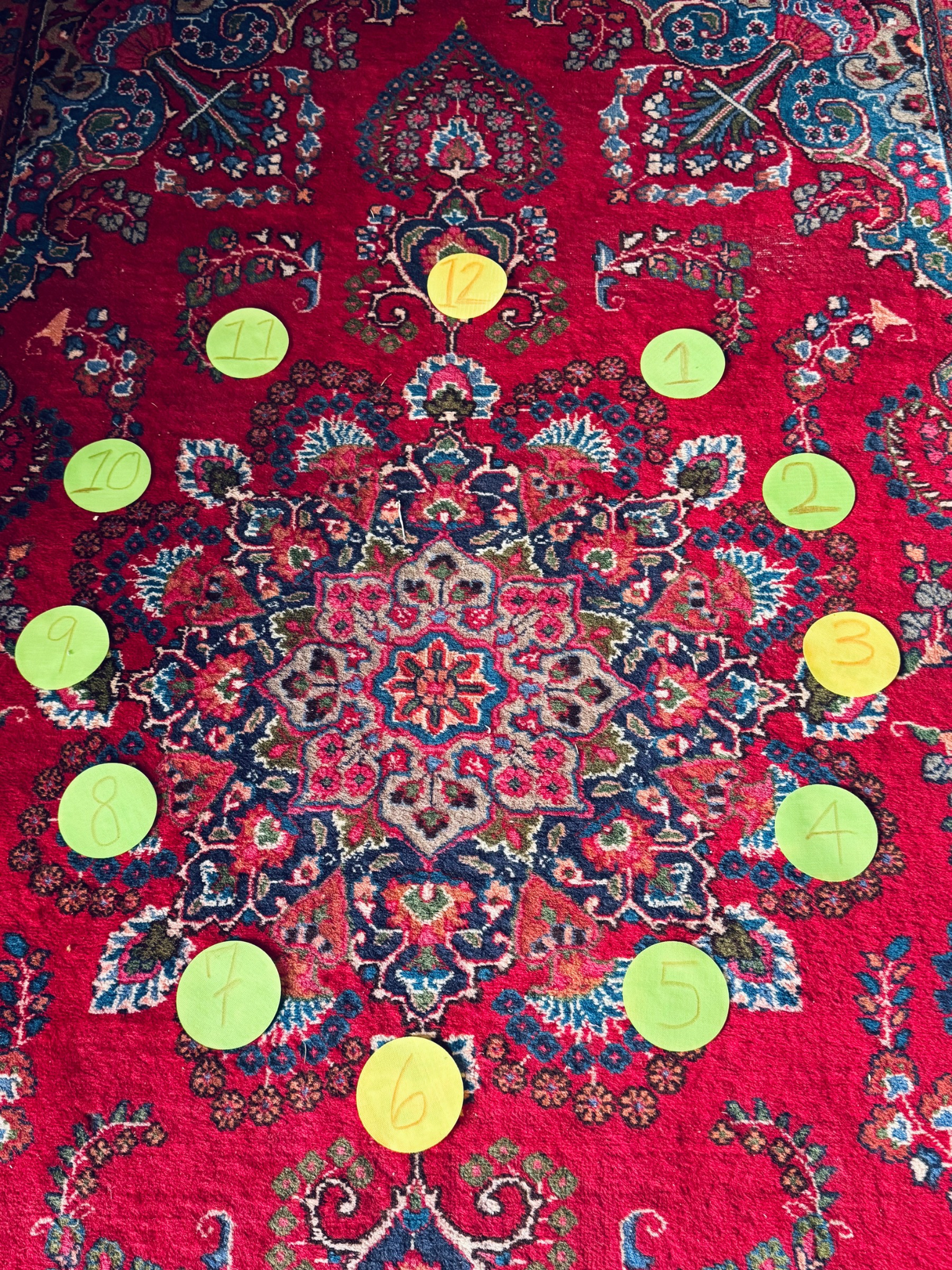
Create a circle on the ground using carpet stickers, street chalk, string, tape etc, that is big enough for them to walk around acting out the second hand of the clock.
Play “The Syncopated Clock” while walking rhythmically to the beat around the clock. You can even clap or use rhythm sticks to actively tick the beat. Reinforce that this is the seconds ticking by and make sure to keep moving and keeping the beat, even when the clock tick goes quiet!
Making a Movable Clock
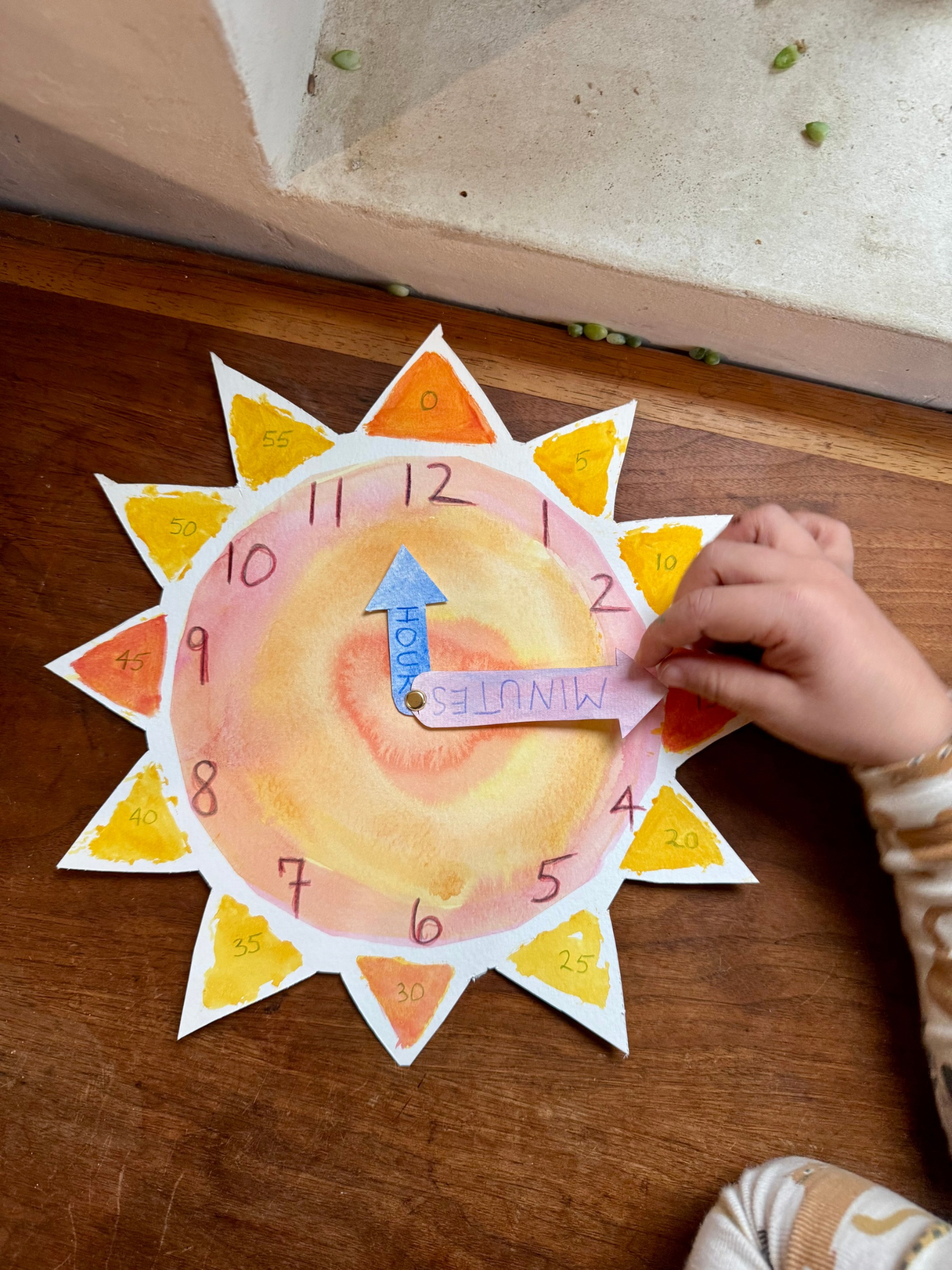
I got the inspiration for this clock from Pinterest. There are many amazing versions!
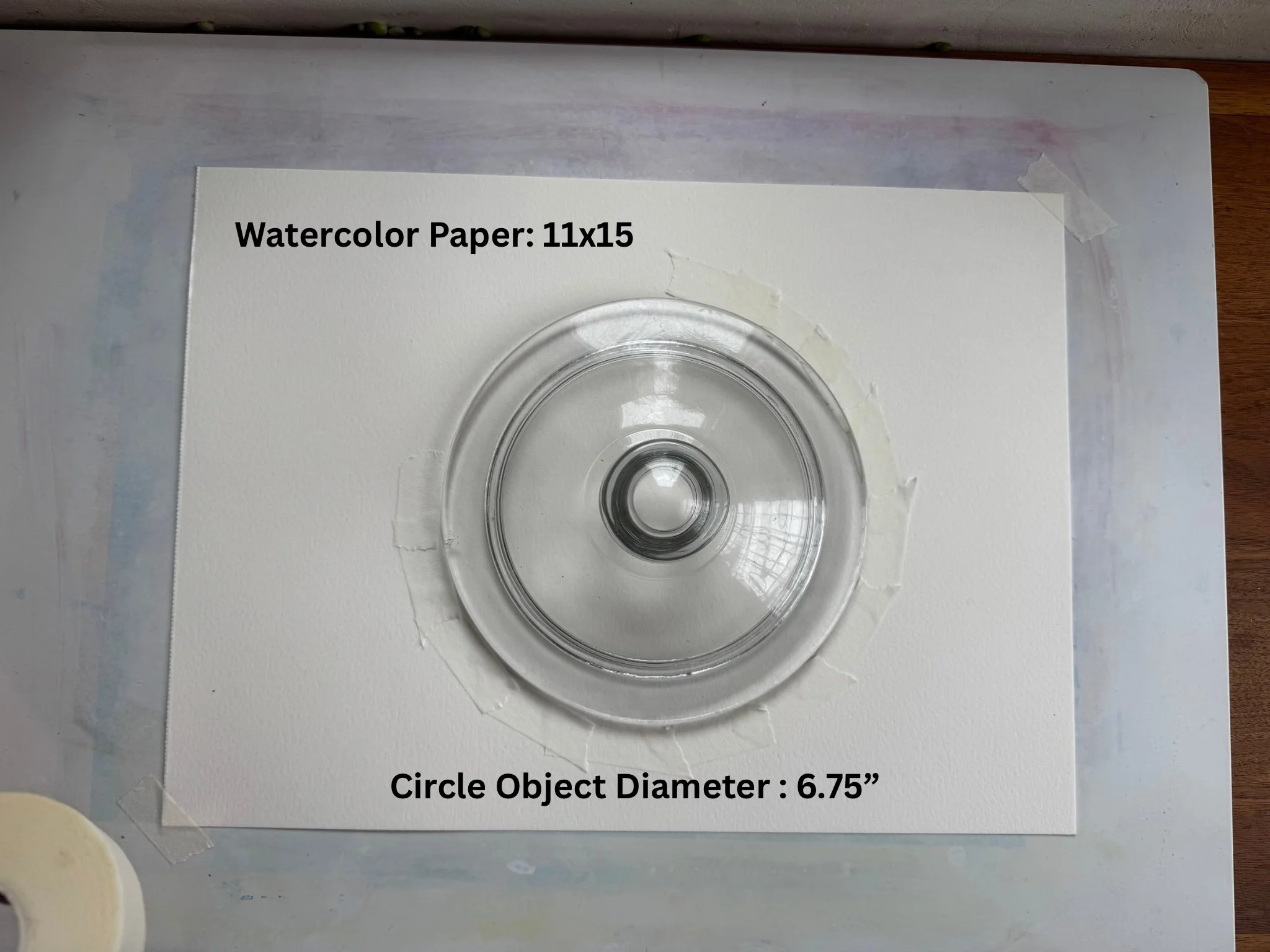
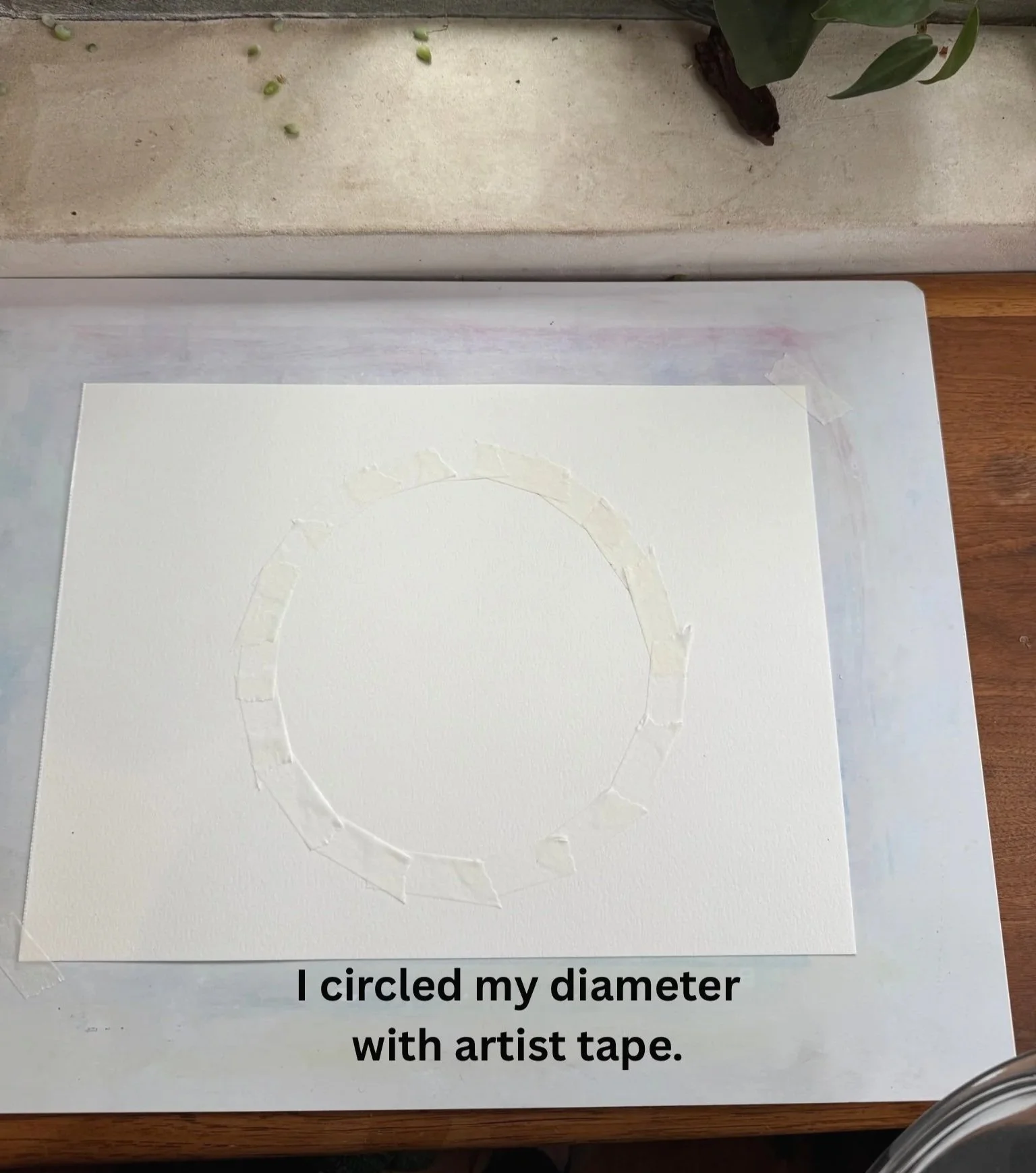
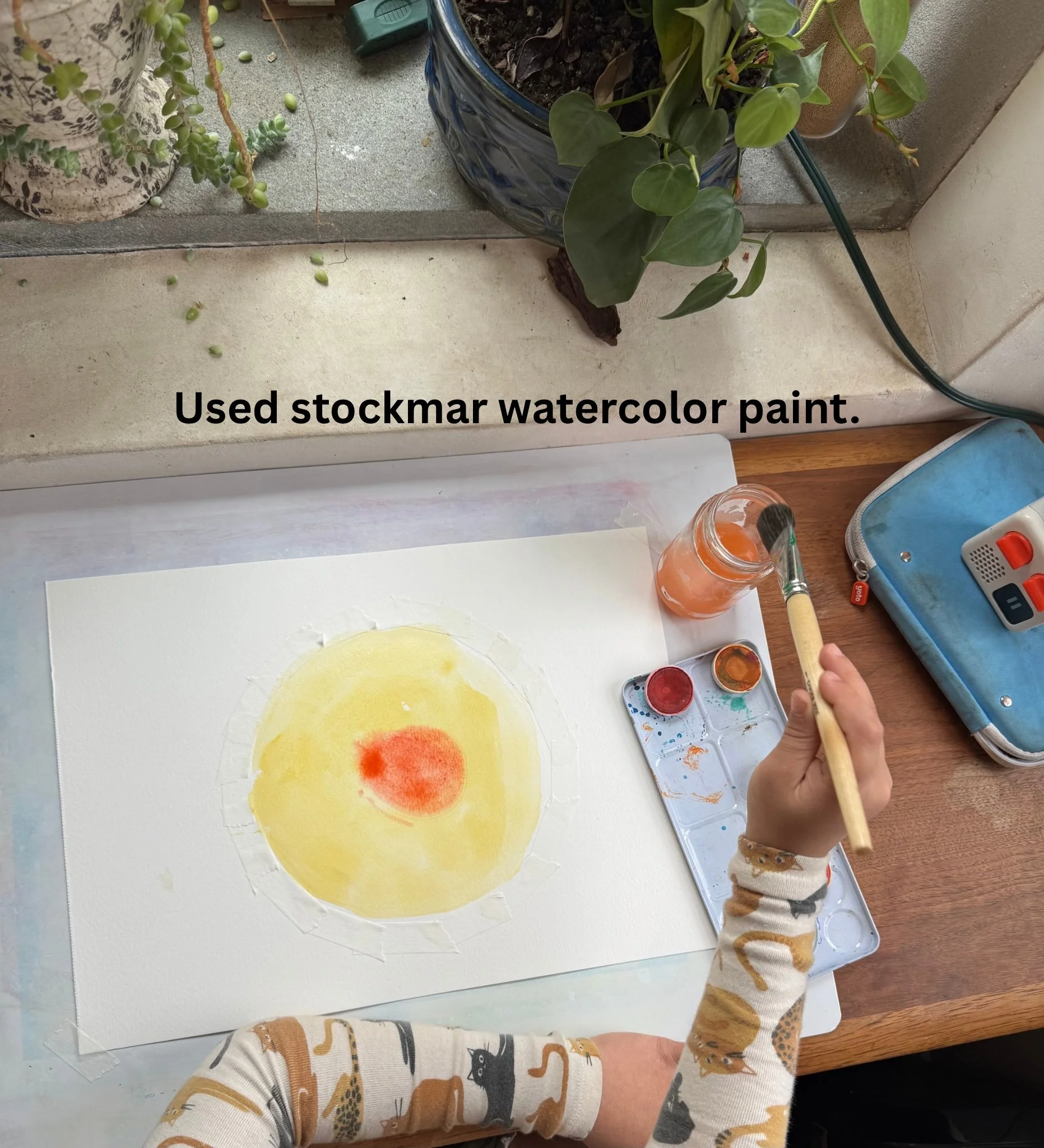
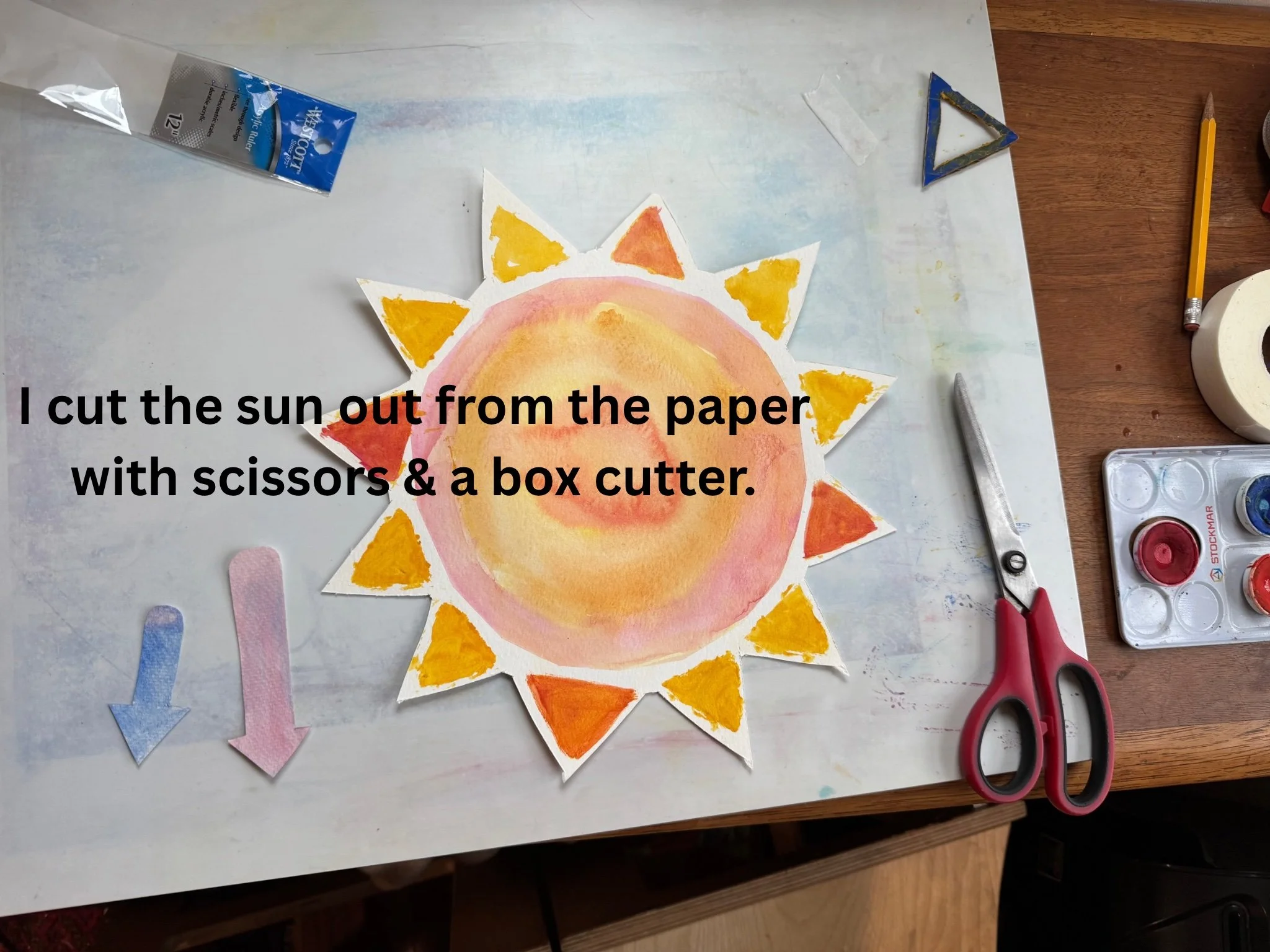
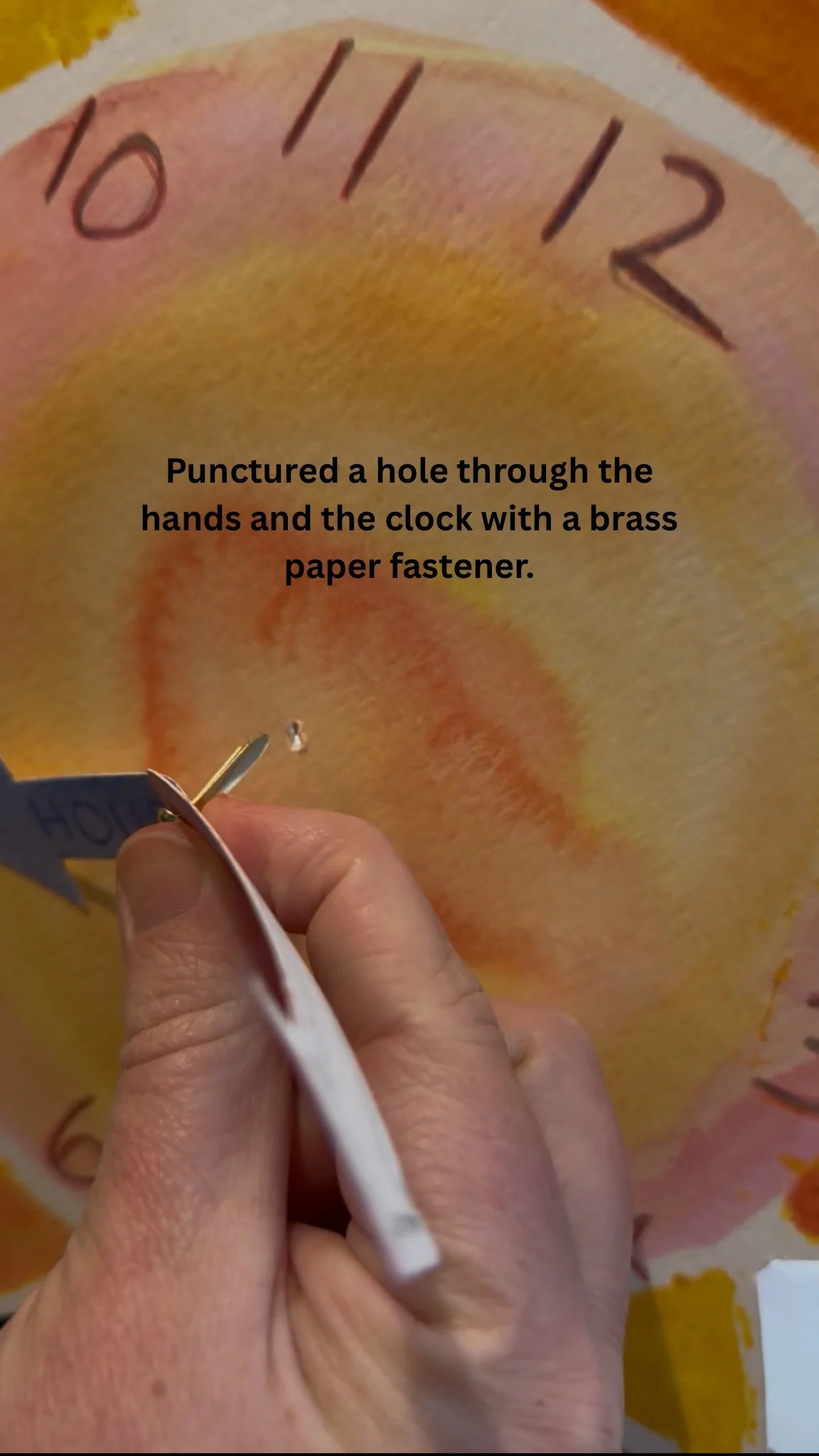
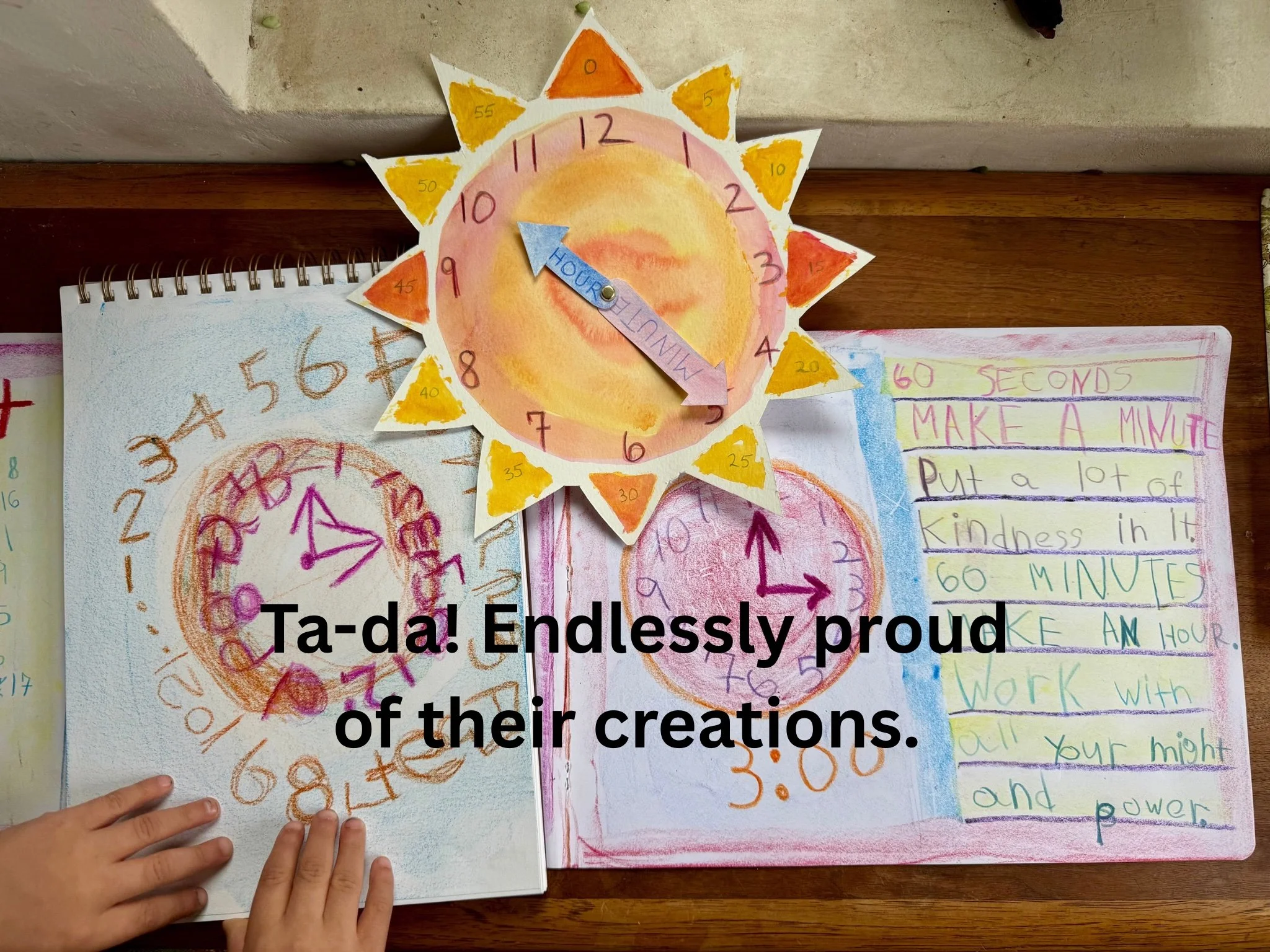
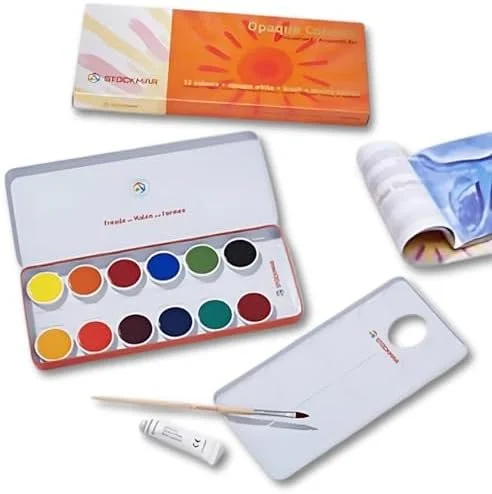
Supplies We Used To Make the Clock
This post contains affiliate links. If you purchase through them, I may receive a small commission - at no extra cost to you. Thank you for supporting my work!

If you would like to read more about our homeschooling journey, I wrote a blog post here.
If you enjoy my content, please consider sending me a “virtual coffee,” to help sustain this blog and enable me to create more wonderful free content! I so appreciate it, and am truly grateful for everyone who has supported my work either monetarily or by sharing it with others. Thank you!!
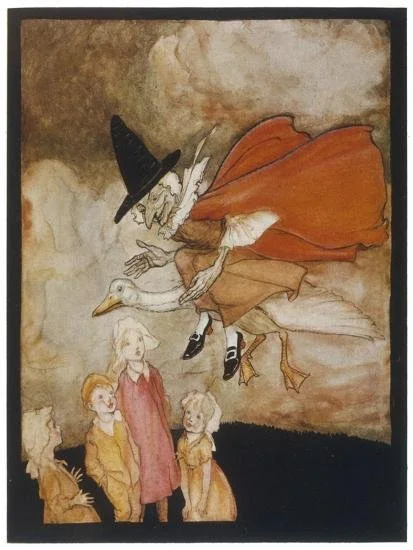
Nursery Rhymes Are the First Literature of Childhood
And What We Lose When They Disappear.
It’s ironic how we have become so “sophisticated” in modern life with all our technology, advancements and capabilities and yet we seemed to have gone backwards in so many ways.
We are seeing the rapid decline of literacy, creativity and overall excellence in our children in numerous ways.
In our pursuit of modernity, we have determined that so much of what was in the past holds no value and should be thrown out with all the other outdated traditions that have existed for hundreds of years.
The truth is though, many traditions, like nursery rhymes held immense benefits for our children. Nursery rhymes were the first step in a continuum that led to classical education. Children who learned nursery rhymes, were then well on their way to developing into children who could memorize poetry, more complex songs, stories and blossom into loving great literature, music and art.
See the thing with education and learning, is that it’s all intrinsically linked to early childhood and how are tastes are shaped.
We have blamed the lack of teaching phonics in our country as the root of all evil, but in reality the truth is much more complex. Yes, phonics is incredibly important and necessary, but what about what comes before phonics?
Do we think children will become excited to memorize abstract sounds for abstract letters when it comes time for reading if they never developed rich pre-literacy skills? If they didn’t develop a love of the spoken word, and rhythmic phrasing, and silly rhyming and the ability to break down syllables and sounds?
The answer is a resounding no. Phonics is not a magic wand. The demise of literacy in our country is due to not only the lack of phonics teaching, but also the lack of musical, literature rich childhoods. It was the straw that broke the camels back. We already were facing a generation that was using screens more, being read to less, being less musical and knowing less nursery rhymes.
Children’s auditory system is at the most sensitive in early childhood. They are picking up new sounds. It’s why meaningful music exposure is so important in early childhood. It forms the foundation for all future learning along with skills for emotional regulation. It’s truly the all in one foundational skill that builds all other skills. This development of the auditory system is what will make future phonics learning either, a walk in the park, or an uphill battle.
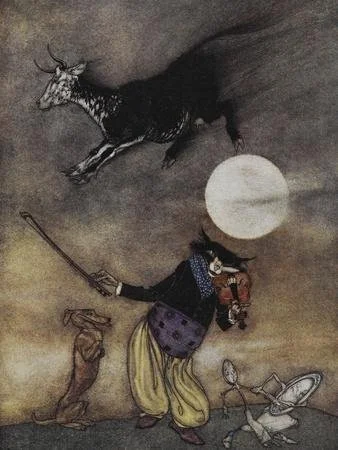
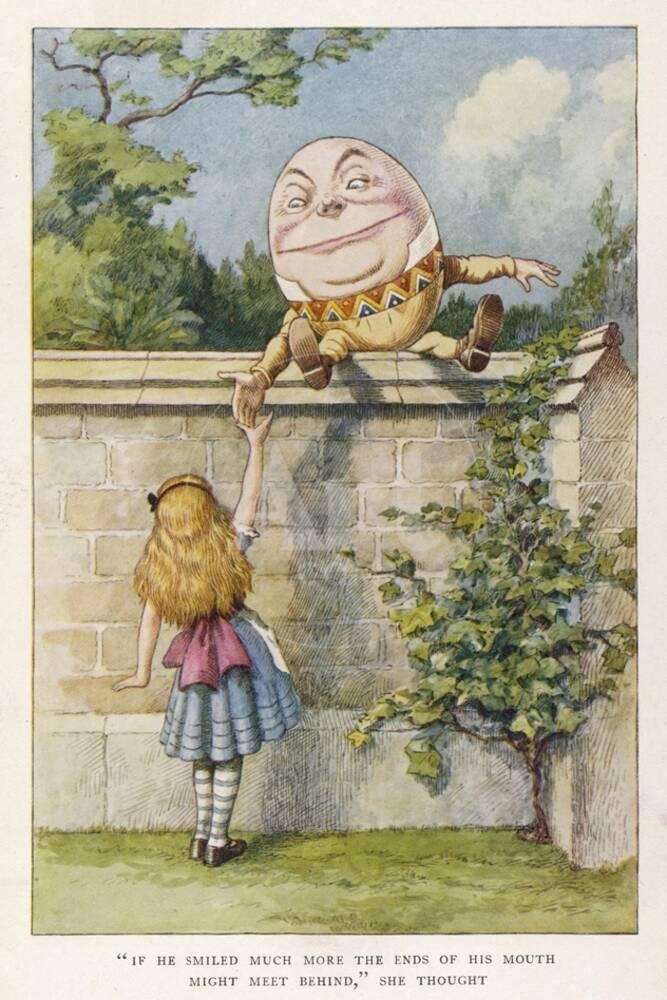
What I find strangest of all though, is that it seems like an agenda to remove nursery rhymes from childhood, People started talking about how they were strange, and unusual and not appropriate for children. Why should we be talking about Humpty Dumpty not being able to be put back together again? This is too scary for kids. And outlandish silly things like cows jumping over the moon.
Then began the barrage of pandering down to children and remaking nursery rhymes to be more palatable and less strange and more kid friendly. Everything became sanitized, over explained and emotionally flat.
And guess what? No wonder kids found these new re-written rhymes boring. Because they are! The lack of respect for childhood and understanding of development, wether intentional or not, still astounds me.
The beauty of nursery rhymes is that they give children an opportunity to encounter fear, humor, surprise, tension and loss all from a safe distance. It actually helps them build the necessary coping skills they need in life.
By removing these opportunities in symbolic literature, like nursery rhymes, we don’t make children safer. In fact, we make them less safe, because they never are given the opportunity to start to develop the coping skills needed.
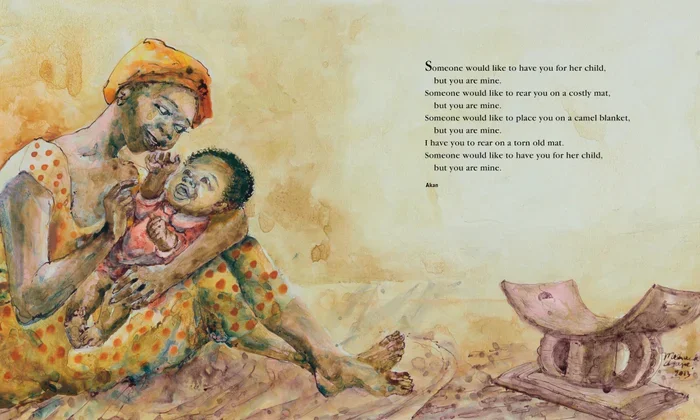
From: Over the Hills and Far Away: A Treasury of Nursery Rhymes Collected by: Elizabeth HammillIt also needs to be said that nursery rhymes are not purely a Western world tradition. Many cultures have their own nursery rhymes and child-lore and traditions. In fact, many other cultures have far richer oral traditions than the English speaking world and it should be noted that if cultures stop passing down their oral traditions and nursery rhymes, then history ceases to be passed on.
Parents should be passing on the mantle of nursery rhymes to their children. I have heard countless examples from teachers in the classrooms telling me how so many children have never heard some of the most common nursery rhymes. This should be shocking.
It’s an example of how we have gone backwards. Decades ago, children could recite dozens of nursery rhymes, clapping games, folk songs, chants and other childhood lore with ease. And it enriched their lives and learning immensely.
We need parents to bring back nursery rhymes. Bring back excellence.
Watch my latest video on YouTube where I talk more about nursery rhymes and my son’s immediate response after I taught him a particular nursery rhyme. It’s a beautiful example of why nursery rhymes are so effective.
Nursery Rhyme Books
This post contains affiliate links. If you purchase through them, I may receive a small commission - at no extra cost to you. Thank you for supporting my work!
I have created a list of some of my favorite nursery rhyme books and ones that I dug up on different cultures. I scoured the internet looking for nursery rhymes from Asia, Africa, South America, the Caribbean- as much as I could find! I hope that there will be something for everyone and that you will find some hidden gems! Please click the book list links below for the full list as I did not link individual books in the photos below.
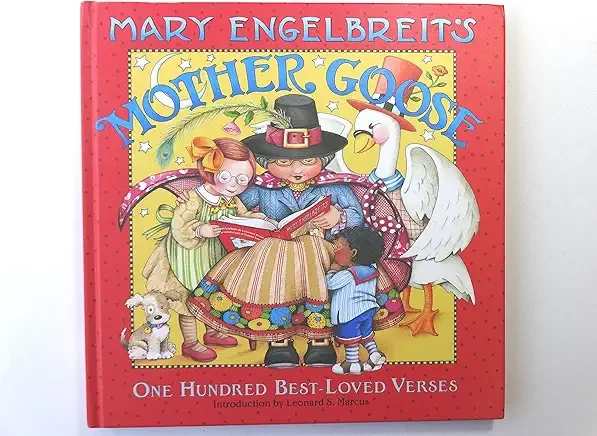
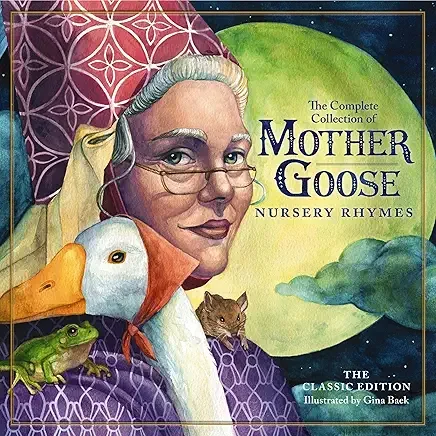
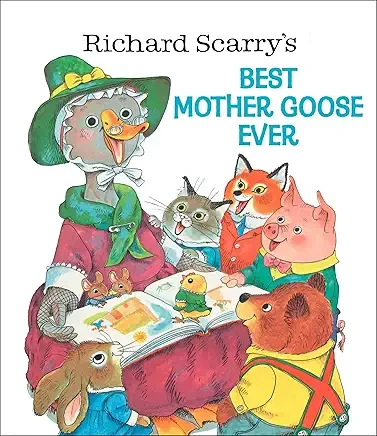
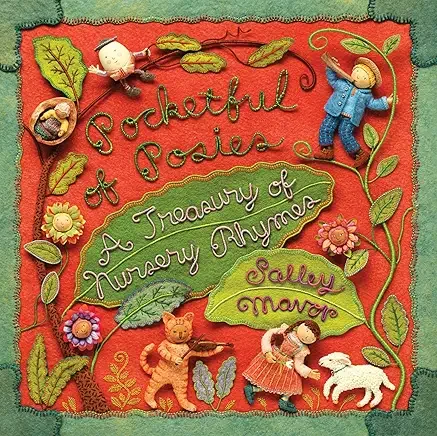
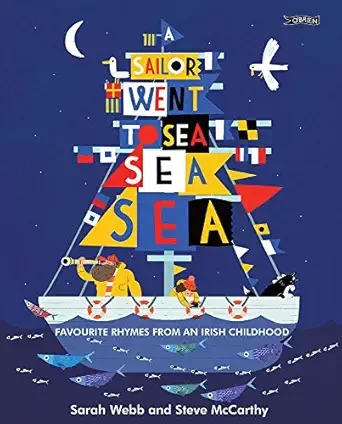
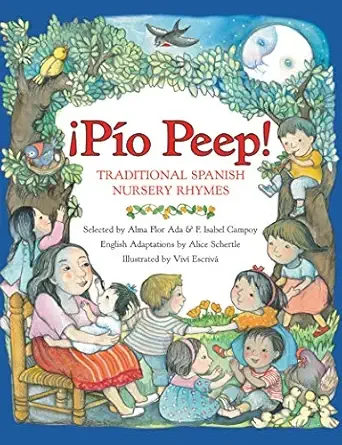
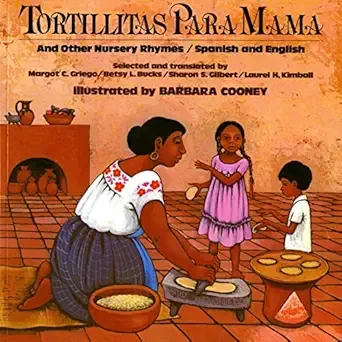
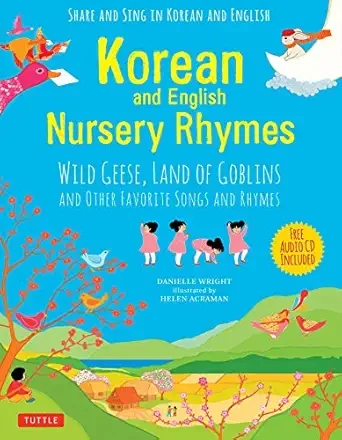
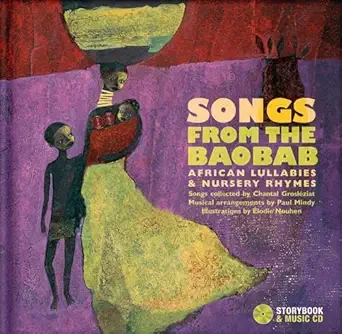
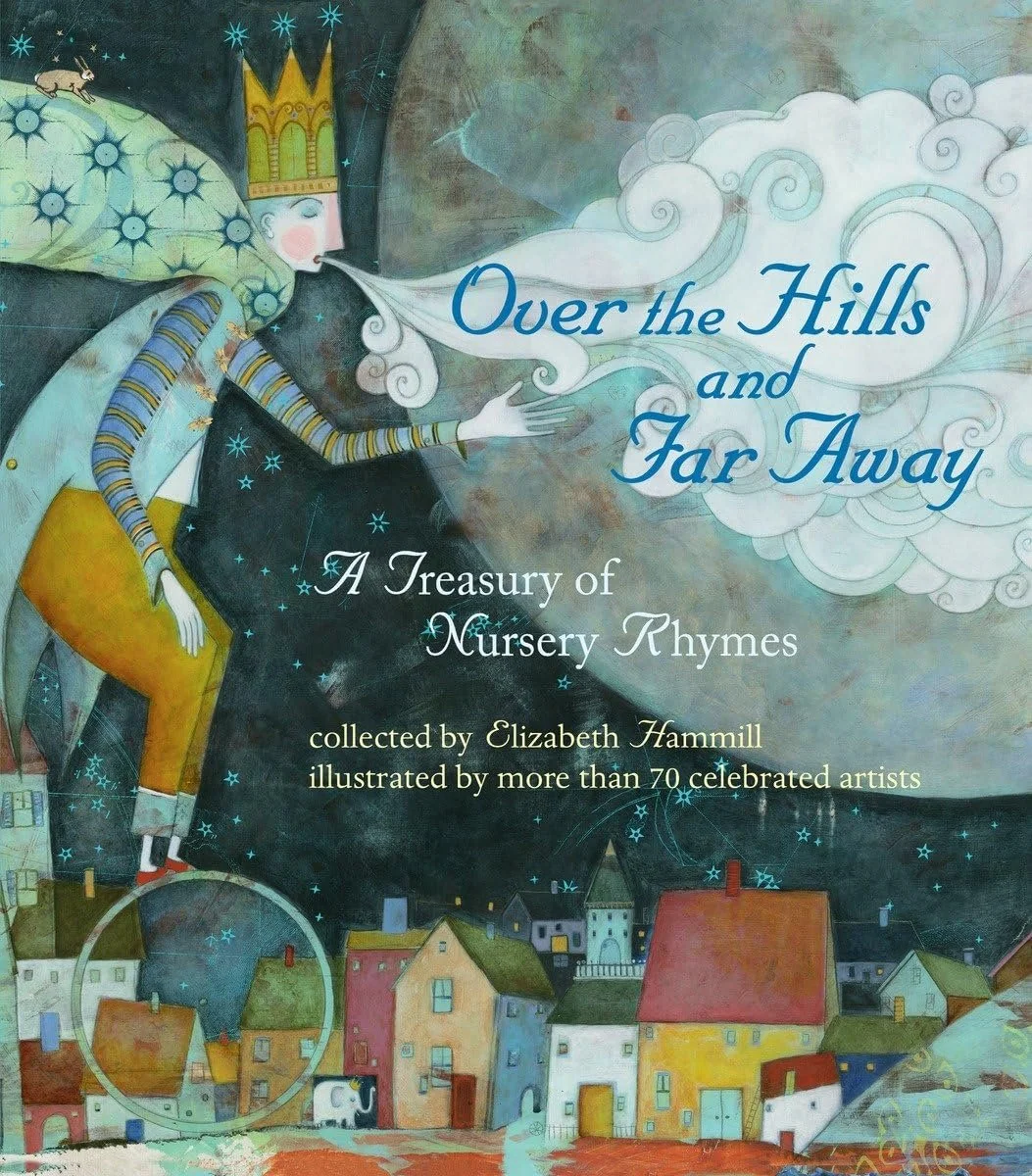
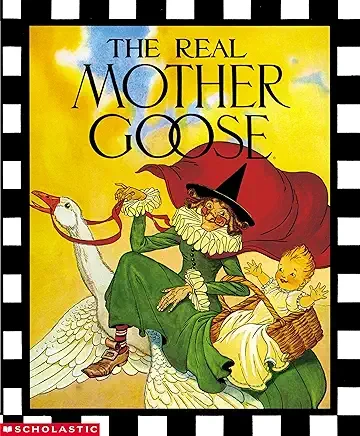
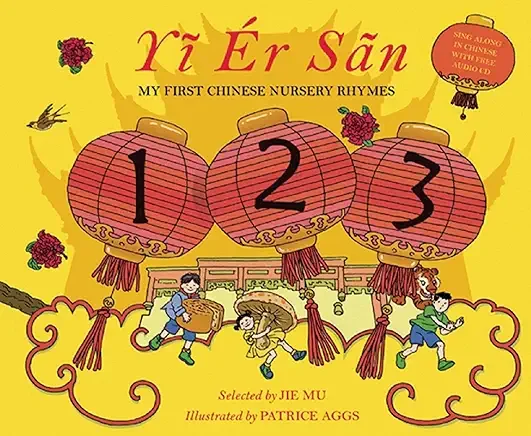
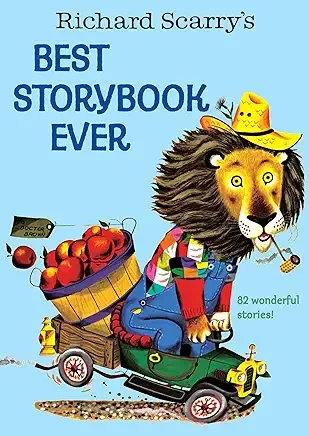
I wanted to especially mention this book because it’s not only chock full of nursery rhymes, but so many other things and it is without a doubt one of our most loved books. My youngest child looks at this book every day without fail and will spend so much time on his own flipping through the pages. Highly recommend this book! :) It’s linked in the book lists below.
Purchase from Bookshop.org and support local bookstores: Nursery Rhymes Book List
Purchase from Amazon: Nursery Rhymes Book List
Magical Music Method Members
I have added a Nursery Rhymes Section to Magical Music Method this weekend! Learning nursery rhymes with accompanying activities from using nursery rhymes to draw, to play with music bells and so much more to come. It is truly one of the parts of the membership I am so excited to grow with content.
If you would like to join Magical Music Method and gain lifetime access to a unique, growing body of content for parents to raise musical kids the way it should have always been, consider joining.
Thank you to all the wonderful families who have joined so far - your support has made it possible for me to continue growing wonderful content.
My Why Behind Musical & Creative Homeschooling
Some of the most frequent questions I receive are about homeschooling, so I thought I would delve into this topic a little more today and share some of my thoughts, how our homeschooling journey began and books/supplies that we have loved using in our homeschooling. And my new YouTube video where I chat more about homeschooling. :)
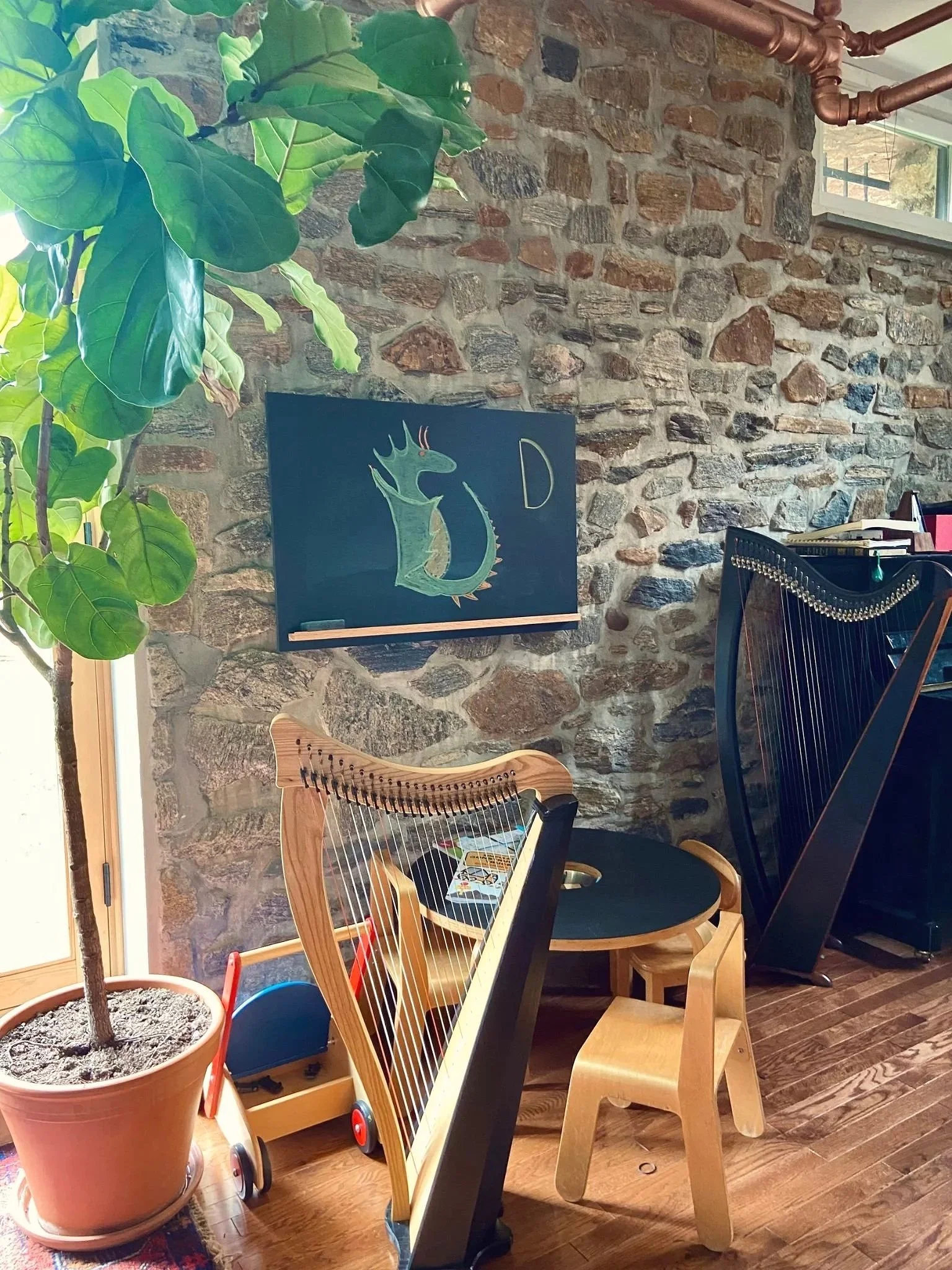
“A child’s mind is not a container to be filled but rather a fire to be kindled.”
-Dorothea Brande
I love this quote so much because I think it encapsulates everything I think learning should be. Learning should be encouraging the innate curiosity in every child and their sense of wonder and desire to do meaningful and beautiful work.
My journey into homeschooling began when I became pregnant with my first child. I think like most parents, lots of soul searching and researching took up a lot of my headspace (and it still does - never goes away!); deciding who you want to be as a parent, how to do the best job, what to prioritize and what will be most important were/are constantly circling thoughts.
Growing up, I was already somebody being deeply formed by music, literature and art, though I didn’t realize that as a child. I had a father who would recite poetry at the drop of a hat, be able to rattle off the year a certain song came out and tell me exactly where he was and what he was doing when the song came on the radio. Combine that with a house full of books, art and music instruments and you will get the picture.
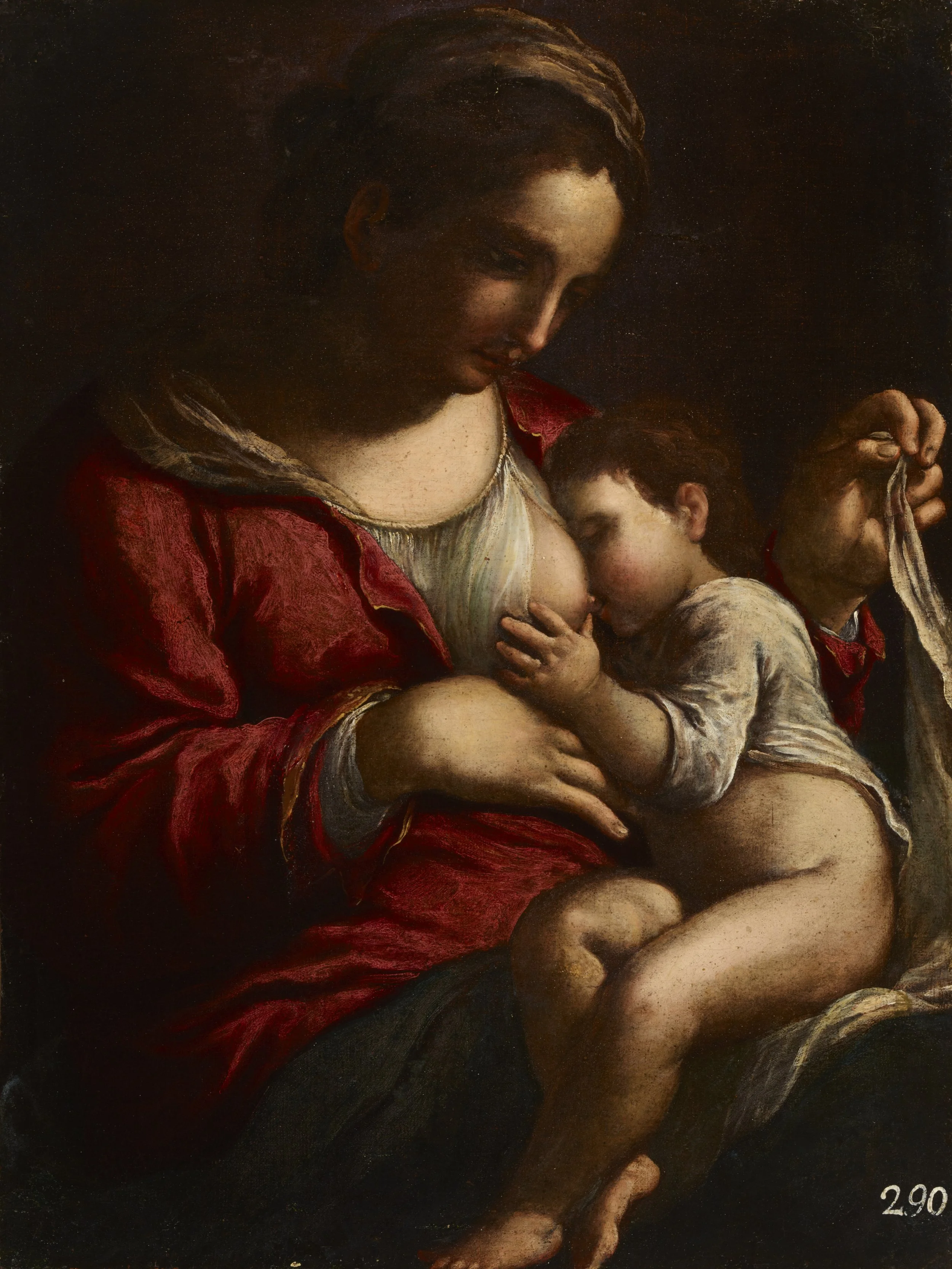
If you were to take a walk through my parents’ house you would be astounded at the number of sacred art pieces everywhere. It’s like a museum. If you saw the number of books… you would probably faint! When I say that music, literature and art are deeply formative, I speak from experience.
My father who worked an extremely hard and dangerous blue collar job his entire life in NYC is probably one of the most intelligent people I know. He prioritized music for me and my siblings and made sure we got our piano lessons, our Irish music lessons, Irish dancing classes, language classes…and so many other things that would be so unexpected you wouldn’t believe.
My mother was born in the Irish speaking part of Ireland, known as the Gaeltacht. Growing up in this strong cultural community, music, especially sean-nós, story telling, and dance were integral parts of the community. I grew up listening to Irish music, the Irish language and spent much of my childhood visiting Ireland and being deeply impacted by the culture. I remember falling in love with the Irish harp at a young age and here I am all these years later teaching an Irish harp ensemble in New York City. I am just always in awe contemplating how the childhoods we have, deeply impact our adulthood in so many ways. In ways that are probably still even unknown to many of us.
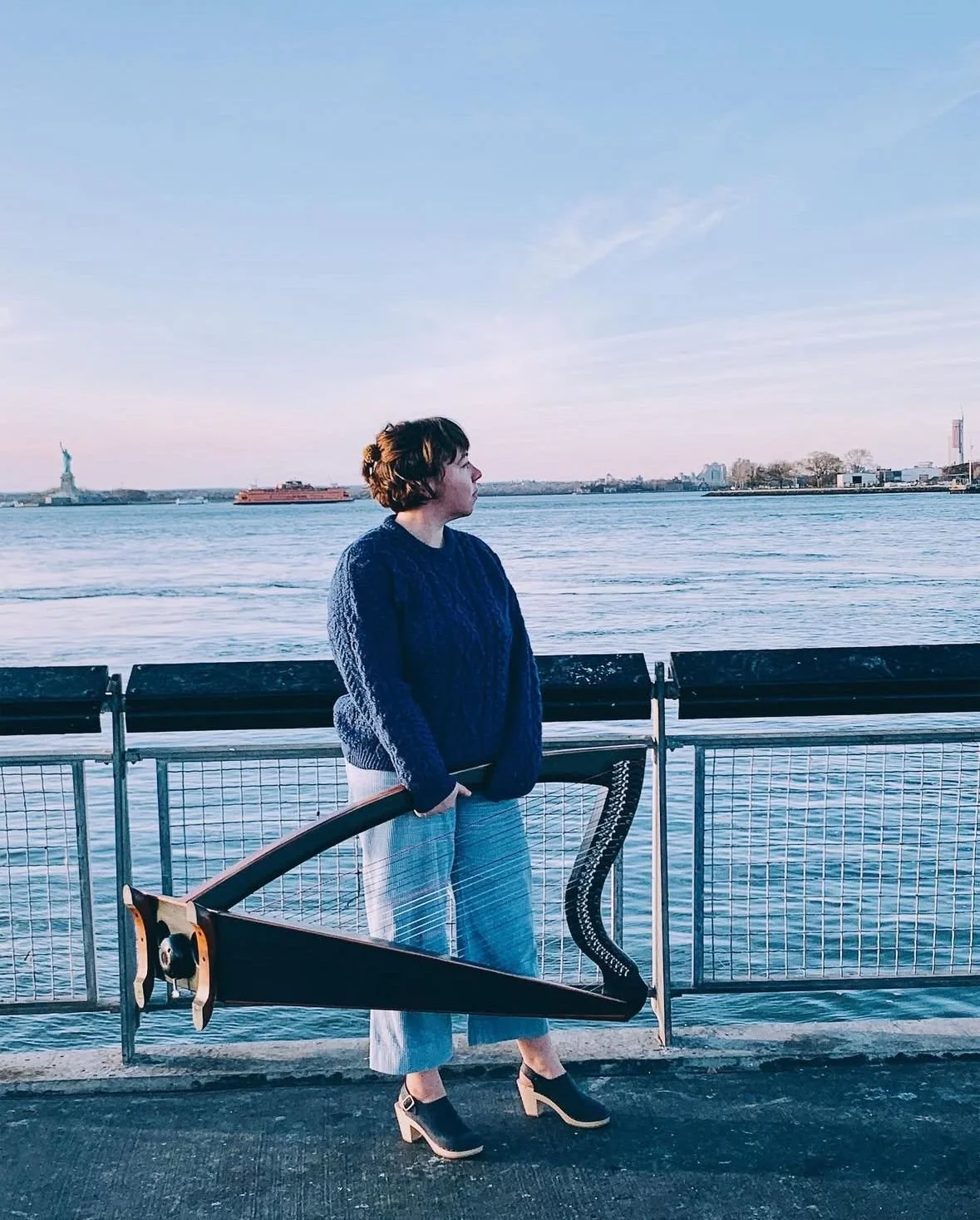
It’s probably why I spend so much time speaking about the ways things were done in the past that were of true value; not because I over idealize the past, but because I think tremendous wisdom can be found from reflecting. I know that there was unspeakable hardship generations ago; but the point I make is that these generations came out resilient, hard working and appreciating the true things in life that are of value. We have started to lose so many of the good ways of our ancestors that made life truly beautiful and meaningful. The appreciation of good song, good story, good food and good company were what gave people purpose to get through the hardships of life with a smile on their face.
We have the blessings and luxury of many incredible things about modern life, and yet we have grown vastly disconnected, unhappy and anxious as a society. You think that running hot water and electricity would make most people happy, but the reality is that what makes people happy or contented is far more deeply rooted and value based. If we don’t have morality, ethics and appreciation of what is good, beautiful and meaningful it does not matter one iota how much money we have in the bank or the square footage of our house.
I want to share a quick story with you all. Since my father loved books he had collected quite a collection of the Classics by the time I was reading. We didn’t own a television for a large part of my childhood, so I spent a lot of time reading as a child. I would often pick up the Easton press leather bound books from the bookcases and peruse through them. Most of them I would usually put back after seeing that the storyline was not something I was grasping, until one day I picked up a book with a rather startling title called, “To Kill a Mockingbird.”
I still remember to this day when I opened the book. I think I probably expected it to show pictures of mockingbirds in varying stages of demise or something else equally literal, but was pleasantly surprised to see the book started from the viewpoint of a child. A girl named Scout. I was pleased with my luck that I had landed on a children’s story (so I thought) and read the entire book within about a week. I had absolutely no idea what the book was truly about. I was probably about 9 or 10. I had loved it! I had interpreted the book purely through the innocent viewpoint of a child. I had taken from the book what I could, and what couldn’t be fully interpreted sat there in my mind till many years later…
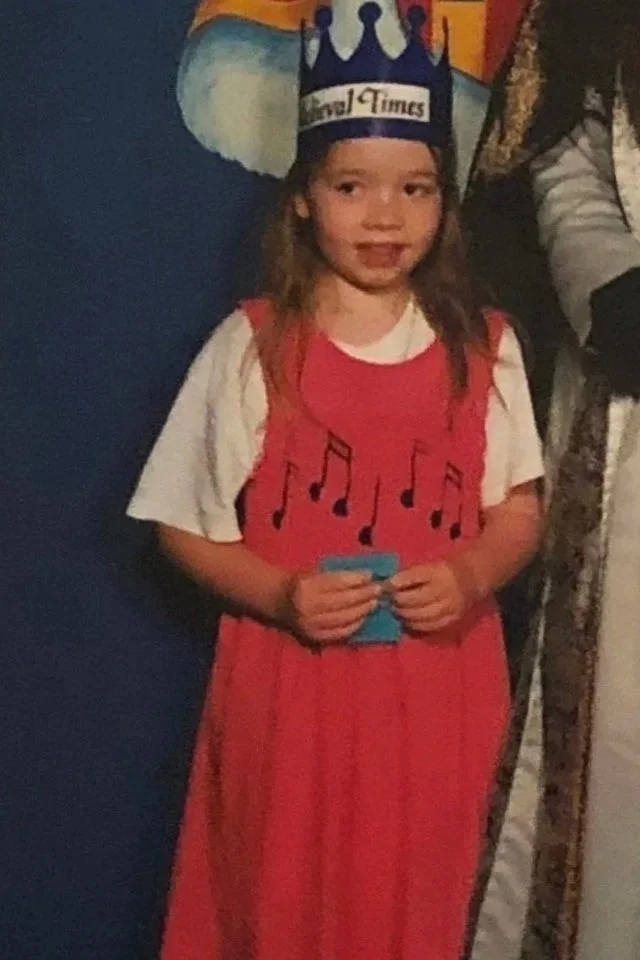
The reason I share this story is because this is one of countless examples I had growing up where I was exposed to literature, music and art that was beyond what I could fully appreciate or understand at the time. But that wasn’t the point. It’s never the point. The point was that the seed was planted and I was given ownership of all this great work. I was formed by beauty without even knowing it.
I say all this, because I think if anything, childhood is so completely overlooked and under-respected. Everything has been dumbed down, sterilized, and demystified and it just completely misses the point. The point is to plant the seeds. Not to expect immediate results.
So coming back to where I started, when I was pregnant with my eldest, already having very set views on what I hoped to be like as a mother and how I wanted to raise our child, I was constantly looking for ways in which I could create a beautiful and magical childhood and be inspired.
I happened to come across someone who had sewed a gorgeous wool felt birthday crown for their toddler. I immediately thought it was such a thoughtful, heartfelt and truly unique thing to do and became curious about the tradition. I have always been someone who enjoys making things, even though I am no expert by any means, but it struck a chord with me.
As soon as I found out that these birthday crowns were called Waldorf birthday crowns I fell down the rabbit hole. I immediately appreciated the sense of beauty Waldorf education nurtures in everything. The simplest of acts and the most simple of work is done with such creativity and reverence and respect for childhood. There is also this standard of excellence that is very much aligned with Classical education in the way that it approaches learning. An emphasis on fairy tales, myths, legends, poetry, song and art are all pillars of Waldorf education. Great literature and art forms a basis on which to teach concepts and shape morality.
I resonated immediately with so many aspects of this philosophy and started to read so many books. Fast forward seven years and here I am having made 14 Waldorf birthday crowns, all inspired from that one woman sharing hers, for my own three children (a new crown for each birthday) and utilizing so many aspects of this educational philosophy in my own music method and our homeschooling journey.
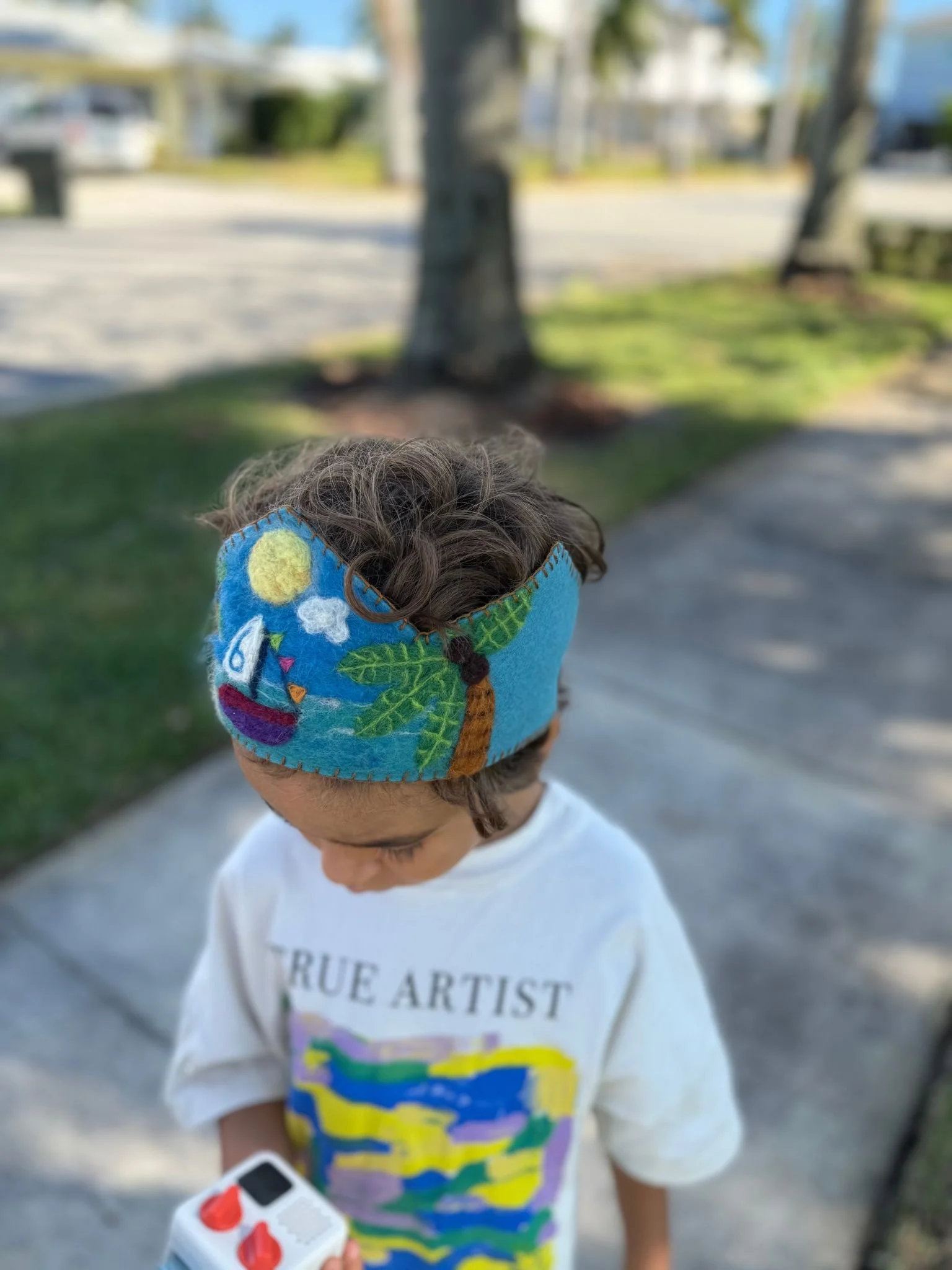
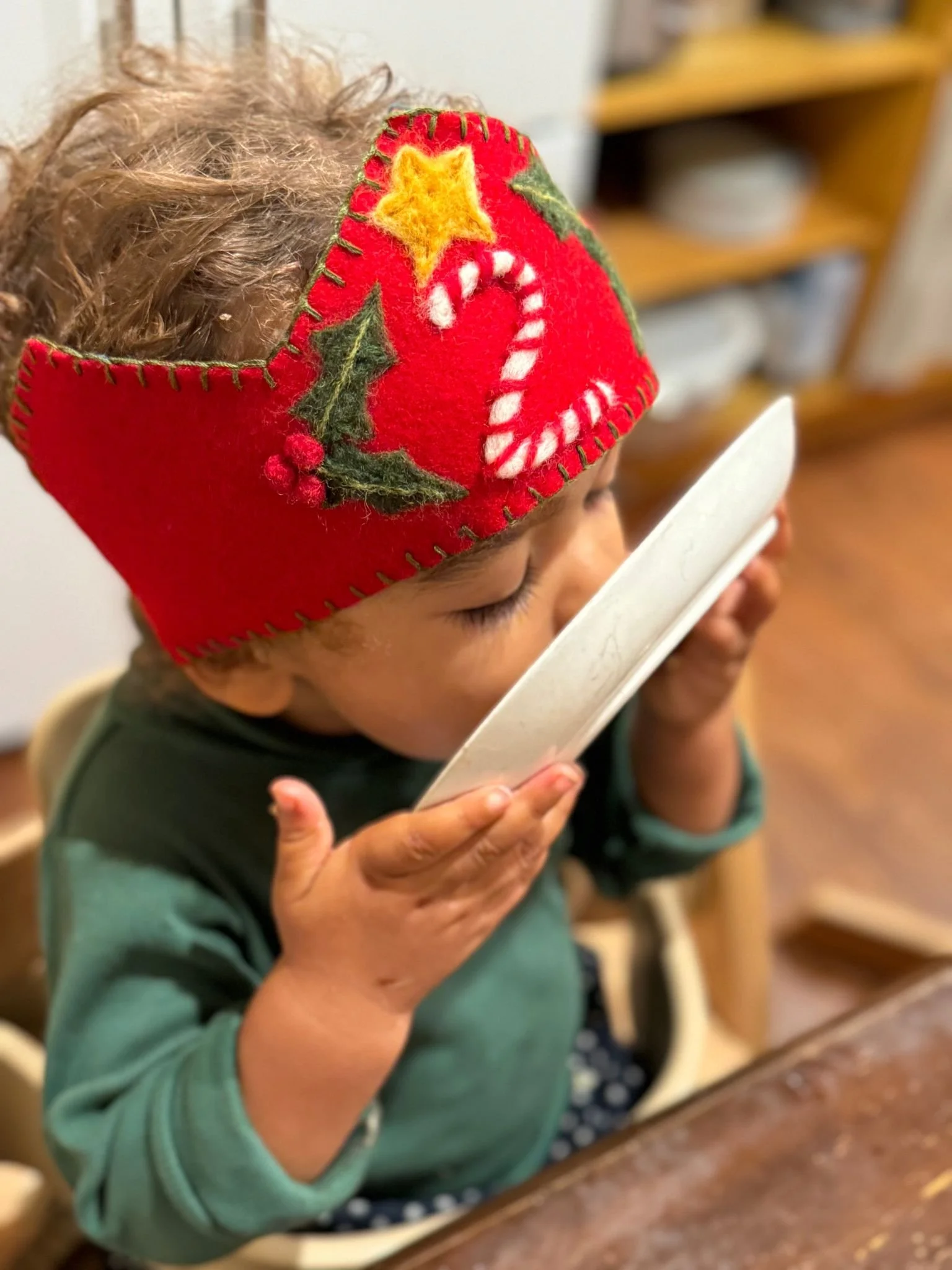
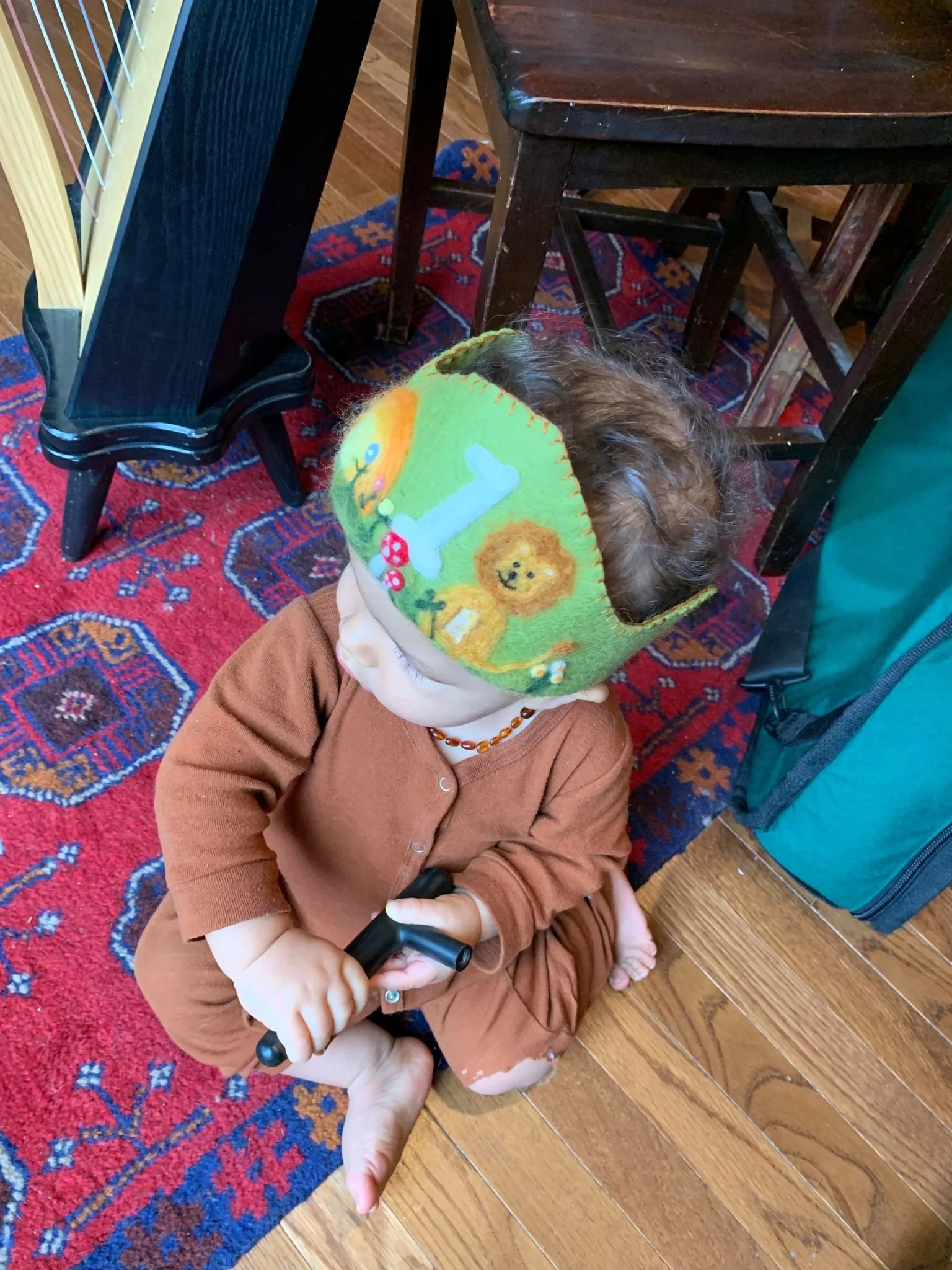
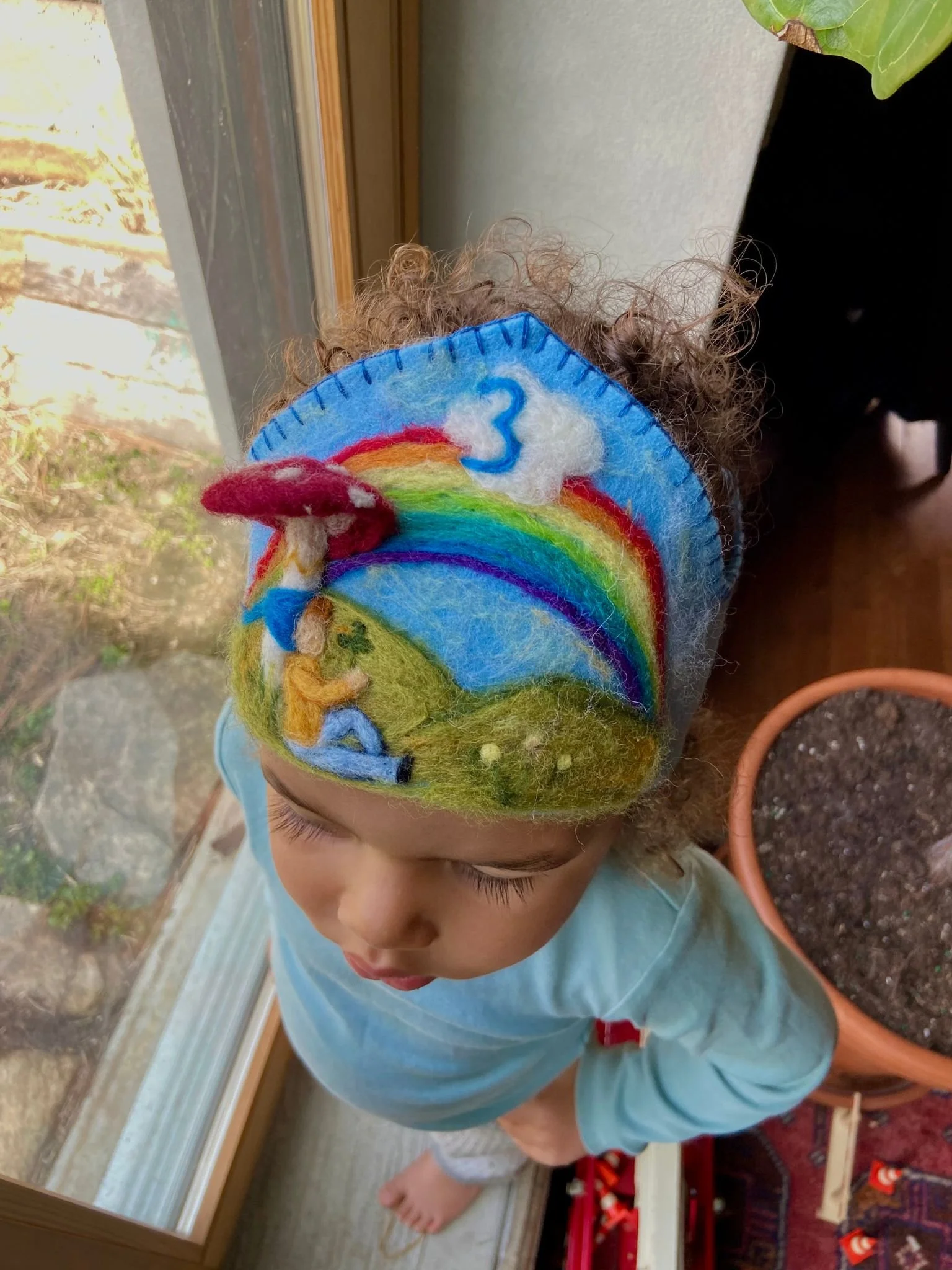
Now I want to preface the rest of what I am saying in that we utilize many things from Waldorf education, but I am no Waldorf expert or teacher. These are are all my own perspectives and interpretations. I have come to discover that I like to blend many things because there are so many wonderful ideas, and methods - from Charlotte Mason to Montessori, and Classical education. So this is what you will find when I talk about our homeschooling journey. My only dogma is that what I teach be taught with a sense of wonder, beauty, creativity and respect.

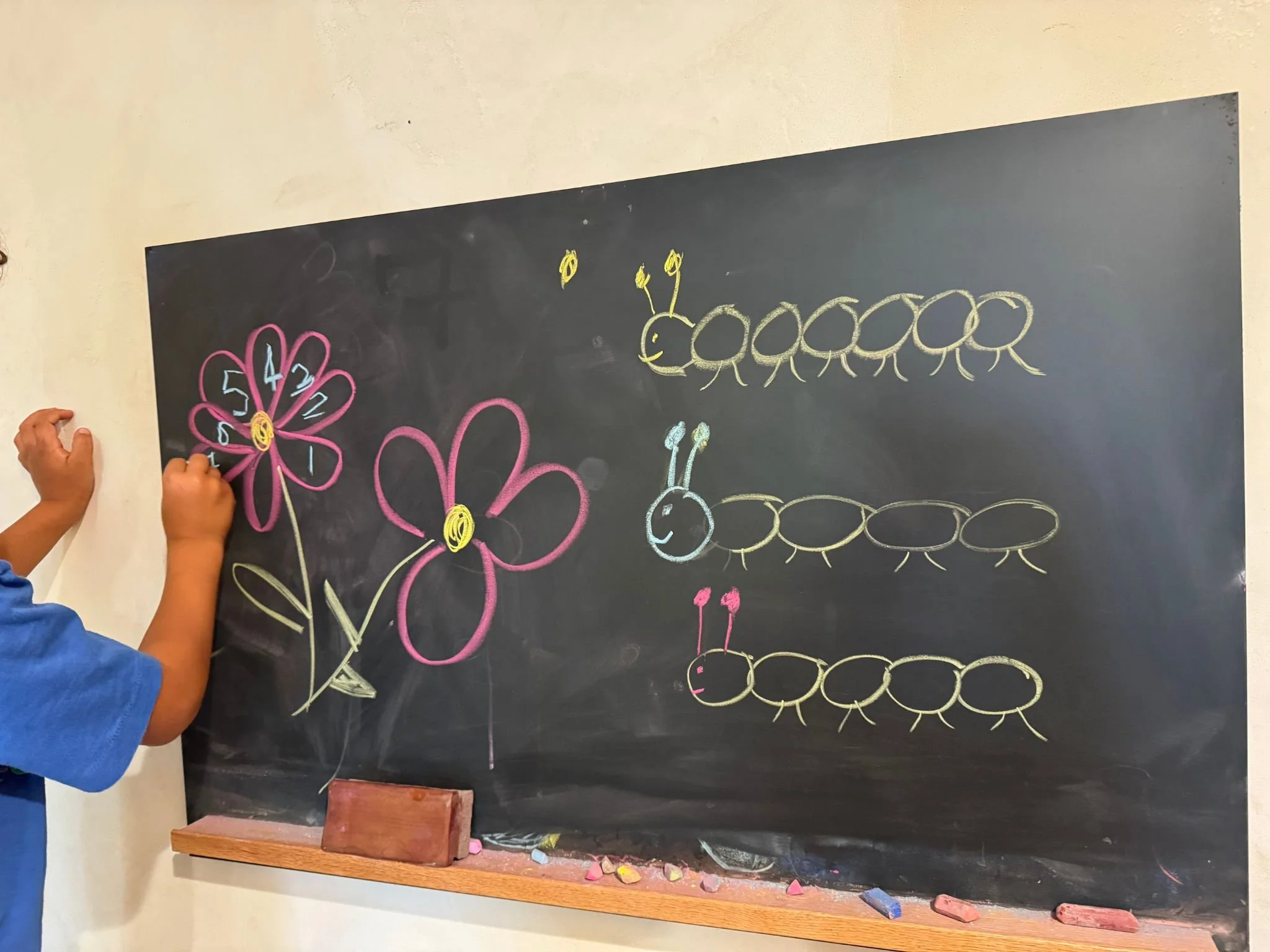
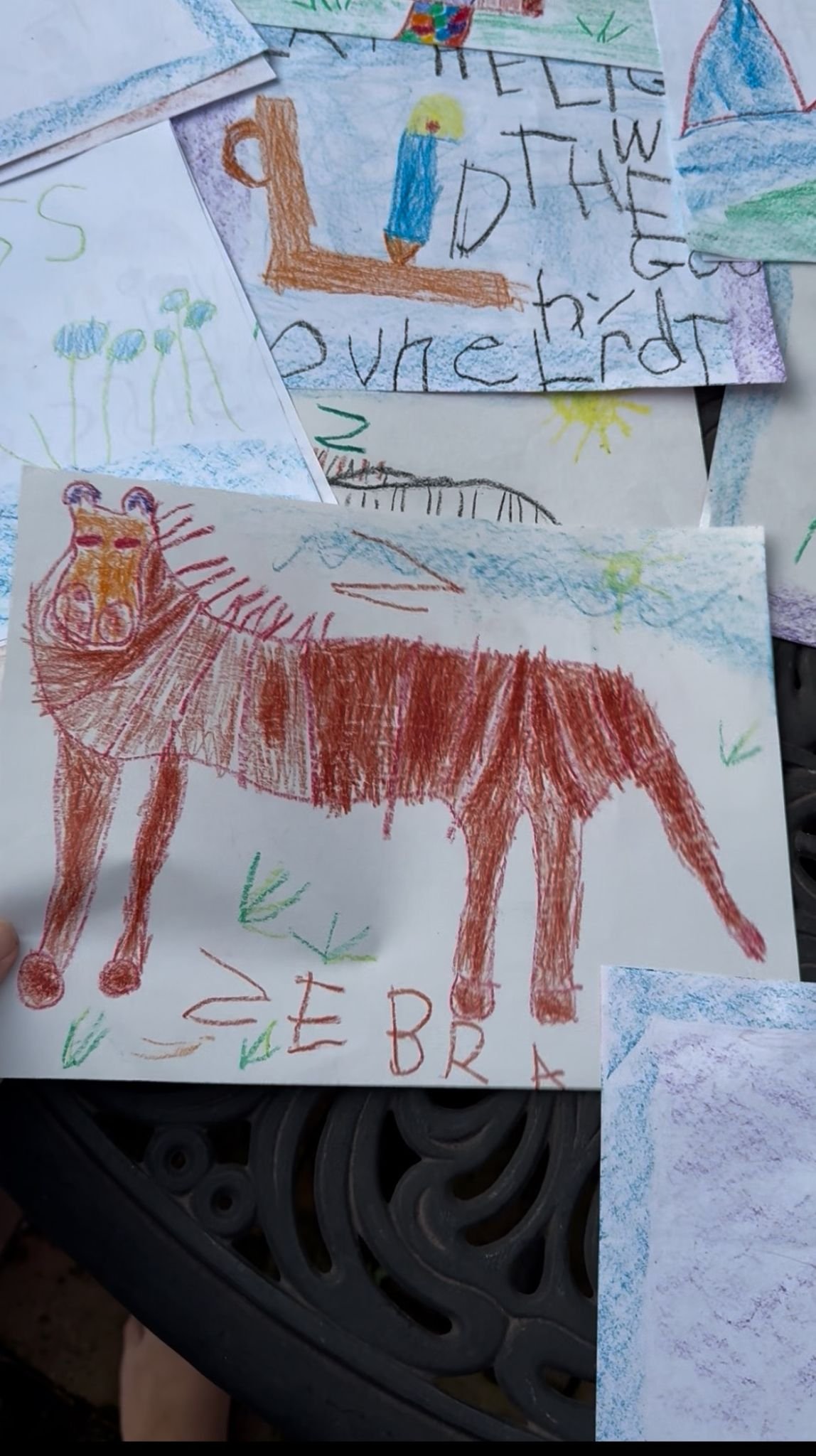
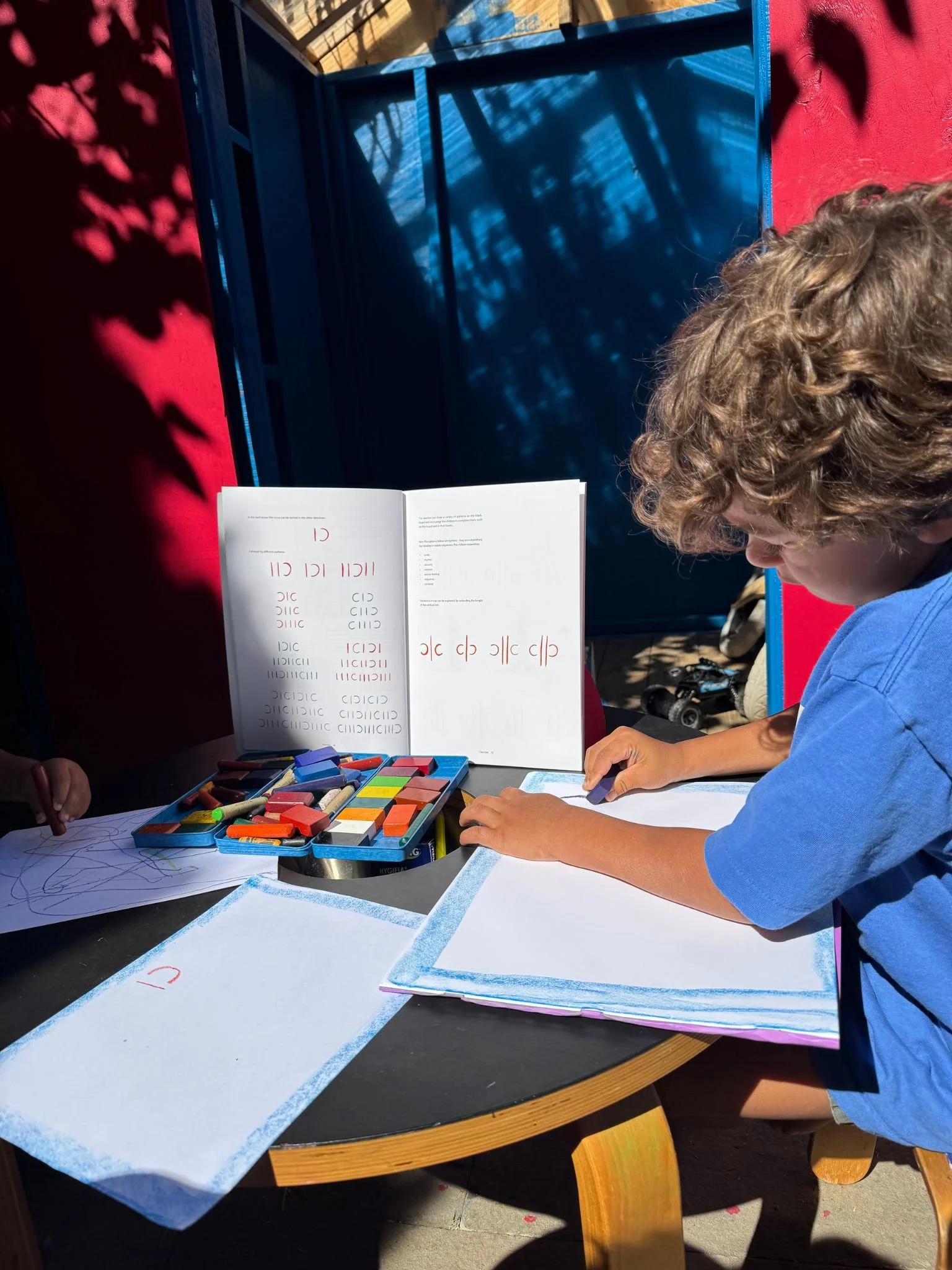
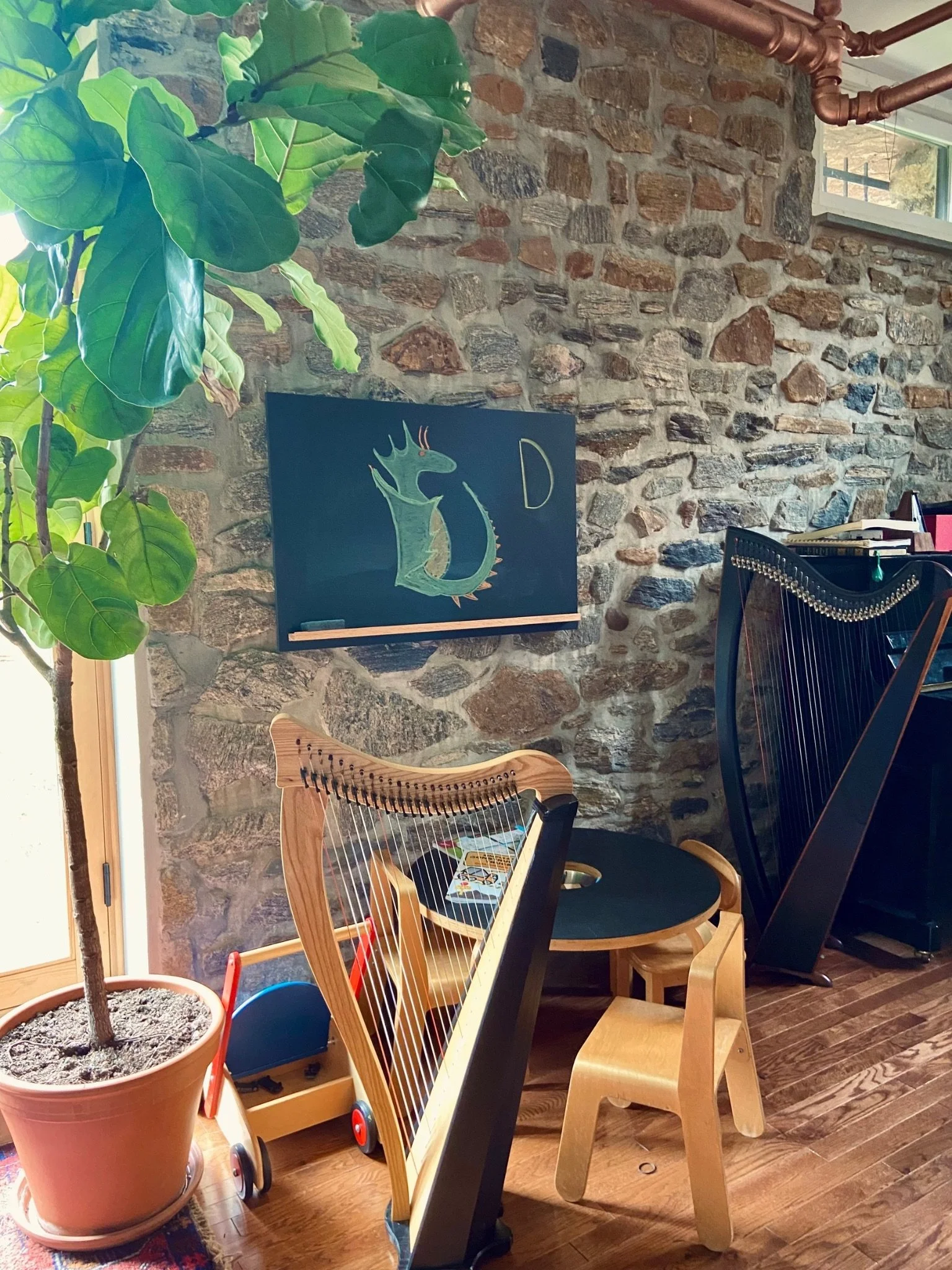
When we “formally” began learning with my eldest, I started teaching letters (sounds and formation) in the Waldorf manner. Each letter of the alphabet is introduced with a story and pictorial drawing of the letter.
Developmentally this makes so much sense. Just think to Ancient Egypt and some of the first writings were pictorial- hieroglyphics. Children also develop their sense of meaning pictorially. Letters are abstract to them and bear no significance to them in their understanding of life. By making the letter into a picture, it gives the letter meaning. And the picture often comes from a story that inhabits the physical nature or qualities of the letter.
So what I did when we were learning our letters is I would often draw a picture on the chalkboard the night before, or sometimes my kids would help draw it too, and the picture would represent the new letter and the story that was being told for that day.
I particularly loved the Waldorf Alphabet book with it’s clever pictures and it was very inspiring for finding imagery for letters, along with Pinterest and so many blogs.
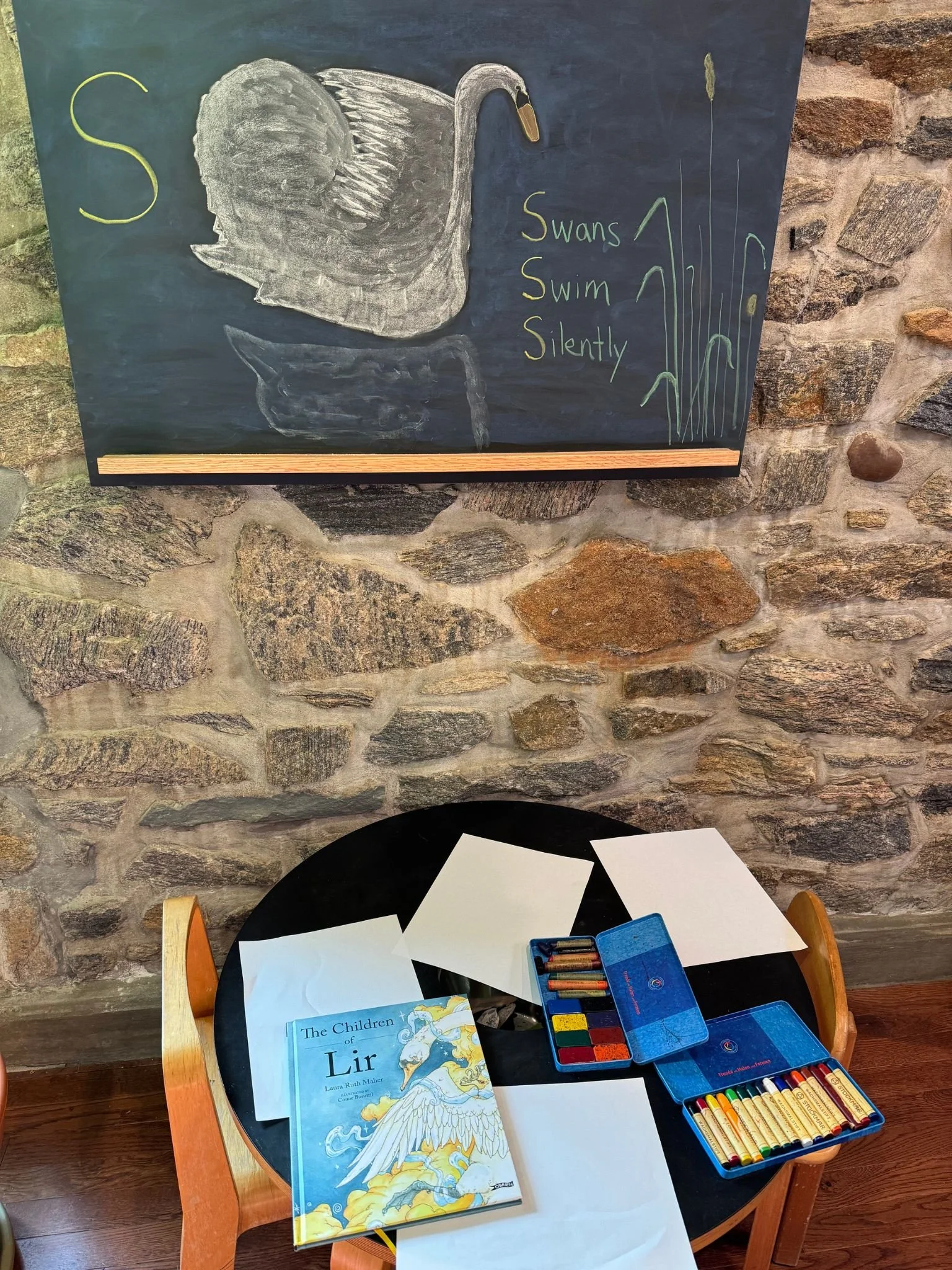
Here was the letter S for swan. I told the Irish legend, “The Children of Lir,” that is about four children that are turned into swans by their evil stepmother. It is a renowned legend in Irish mythology. You can even see that I tried to make the swan head and body into a S shape. This was often my goal to make the letter inside the actual picture. If you want an excellent telling of this story I highly recommend Tom Sweeney’s album “Irish Songs and Stories for Children.” The way he tells this story is an absolute delight.
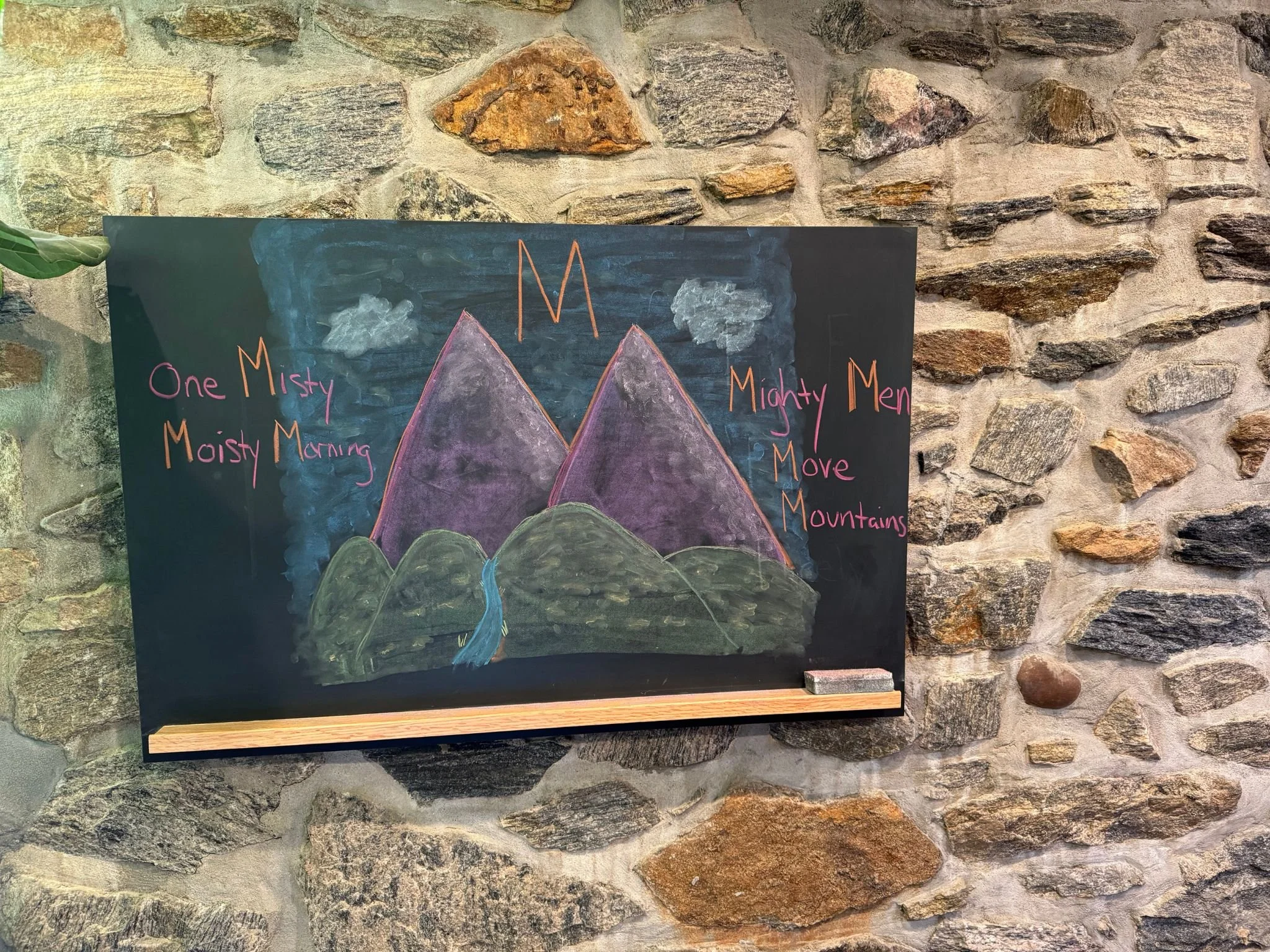
Here is letter M for mountain which was an easy one to accomplish this goal with making the picture be the letter. I told the Grimm story, “Simeli Mountain,” which is also one of my favorite Grimm’s fairytales.
Now I can say without a shadow of a doubt that my child LOVED learning the letters this way. He already loves stories and would probably be content listening to me tell stories and read books to him all day long. This philosophy approached learning the letters in such an imaginative, creative and embodied way. The child becomes intimately familiar with the letter, in not just a purely functional phonics sound way, but in a way that captures their imagination. And isn’t that what learning is all about?
Now of course, hand in hand with starting formal letters and writing and phonics sounds, music has been integrated into everything we do. It has not only made learning easier, but more joyful, fun and connected.
Just today I was listening to my son sing London Bridge Is Falling Down while he was rummaging in the kitchen for a snack, and it goes without saying that a huge part of our homeschooling has been music and will continue to be music. Because music is intrinsically linked to everything; to our deepest memories, our visceral feelings and emotions and to how we express ourselves authentically. To remove music from learning or life, seems counterintuitive and most especially with children who learn in a holistic manner unknowingly.
The beauty of homeschooling is that we have the freedom to make childhood as musical, creative and connected as we want. Playing clapping games, singing nursery rhymes, learning musical concepts have all been the key to making learning to read not only easy, but joyful. I’ll continue sharing more about how music has become deeply integrated into how we live life and learn. I will also share more about specific curriculum and texts we selected for certain subjects, but I will save that for its own post.

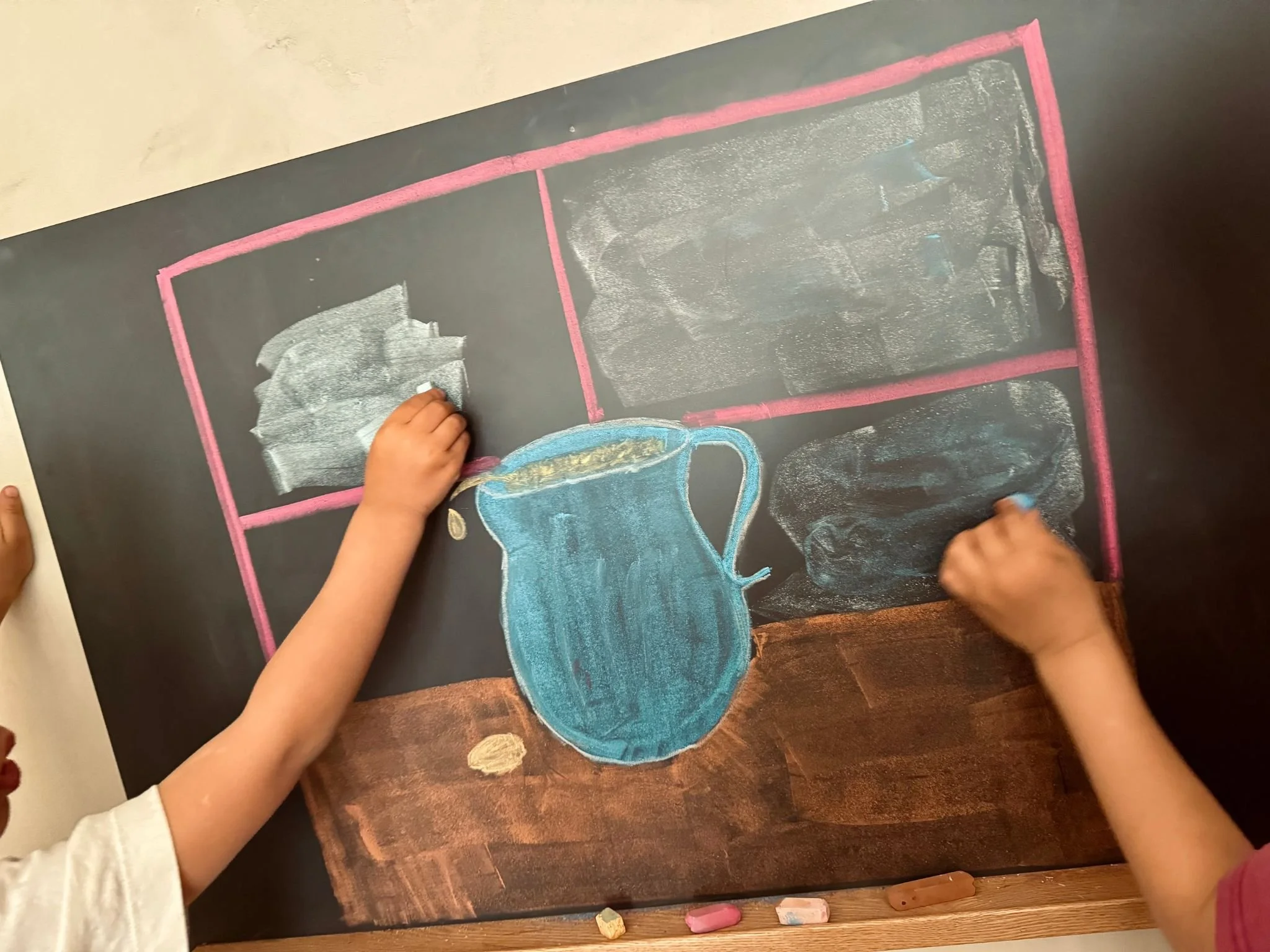
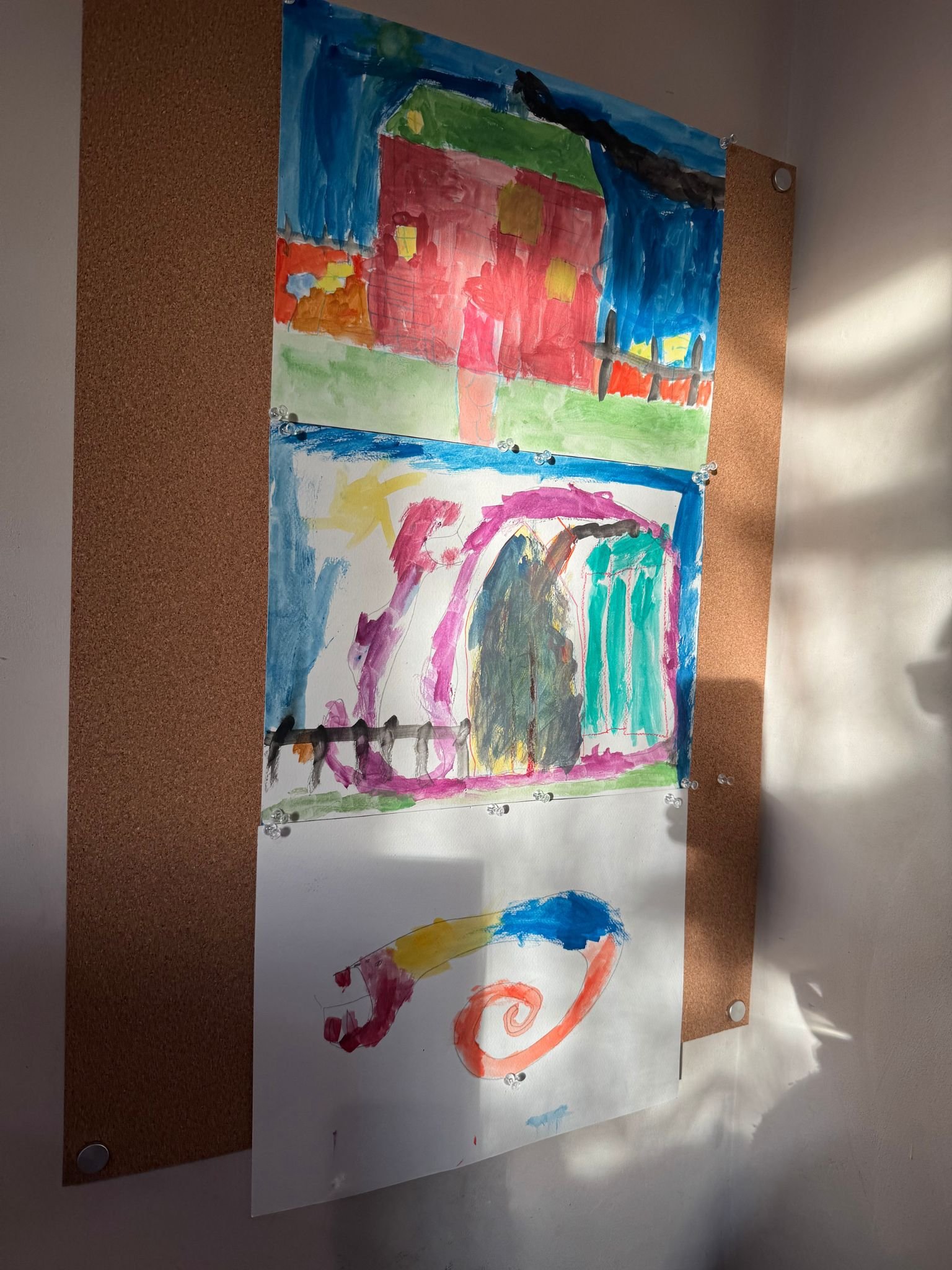
Books and Materials We Use and Love
This post contains affiliate links. If you purchase through them, I may receive a small commission - at no extra cost to you. Thank you for supporting my work!
Since there are so many items we use and it would take so long to list them all here, I am going to upload the lists via Bookshop.org (which supports local bookstores in your community) and my Amazon storefront (not ideal I know, but at least helps send me income and support my work). You can peruse the lists and drop any questions you have in the comments below. I’ll be digging into a lot of these books and supplies in future blog posts, so stay tuned for more insights about a lot of these books individually, soon!
Bookshop.org Booklist
(Books)
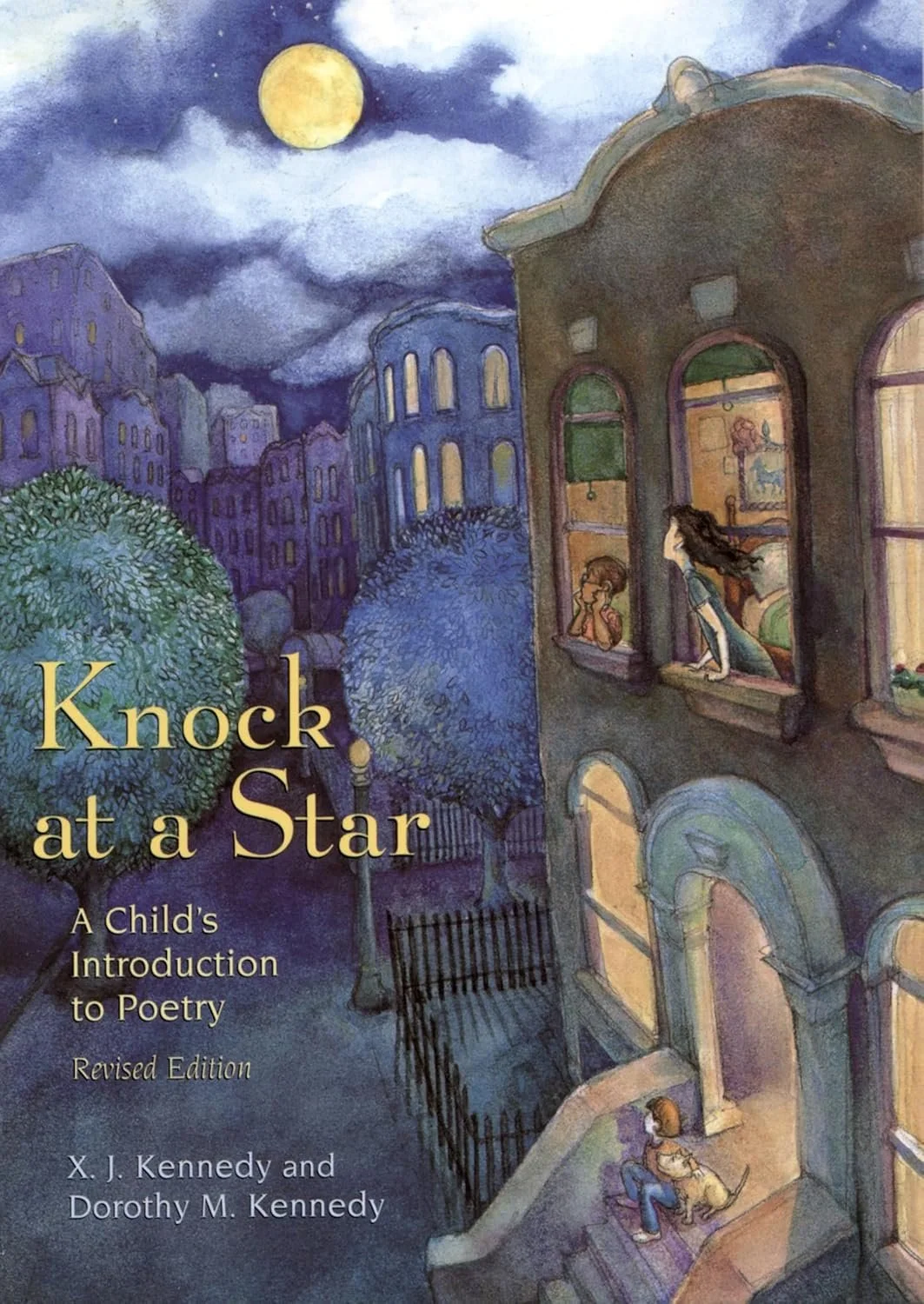
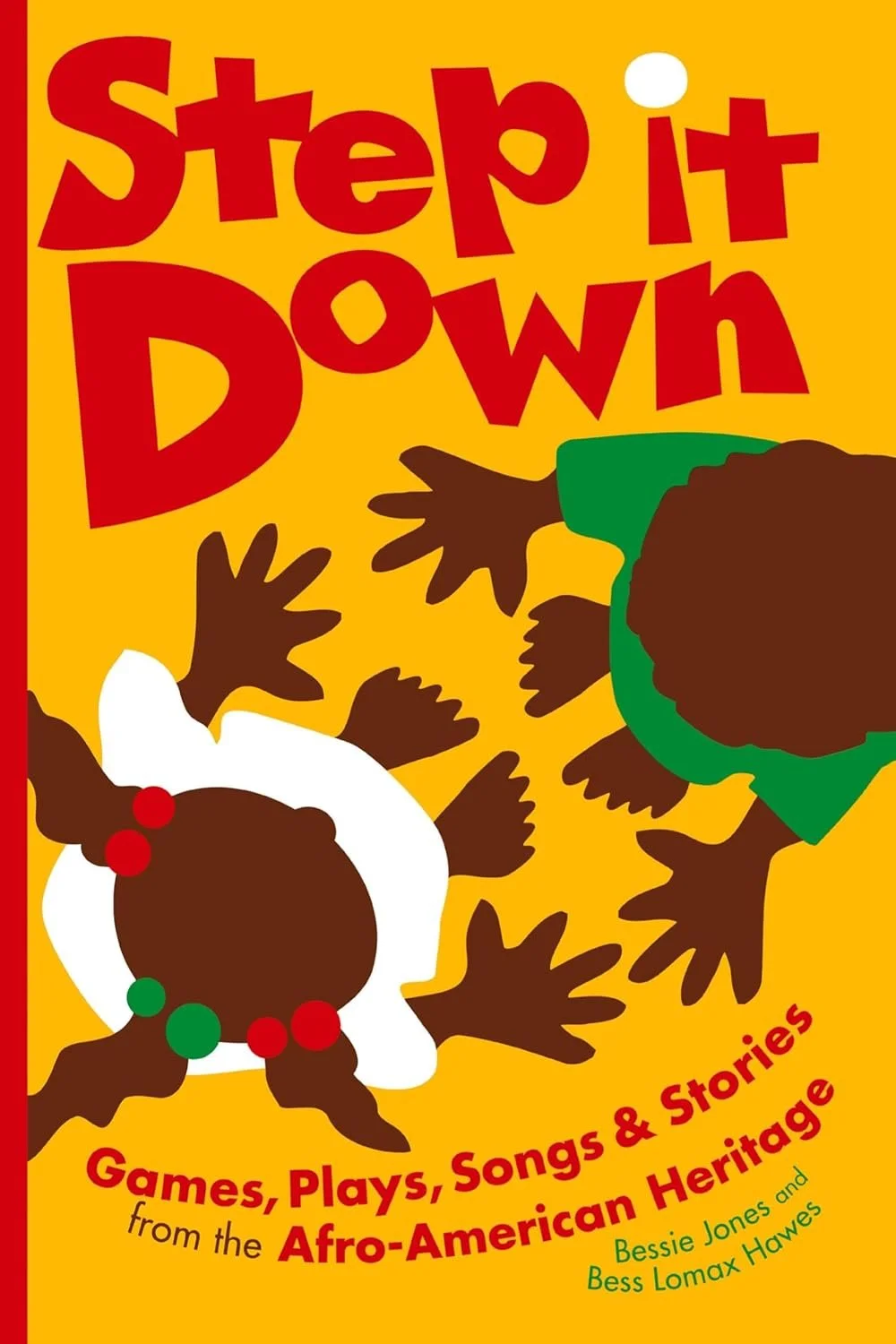

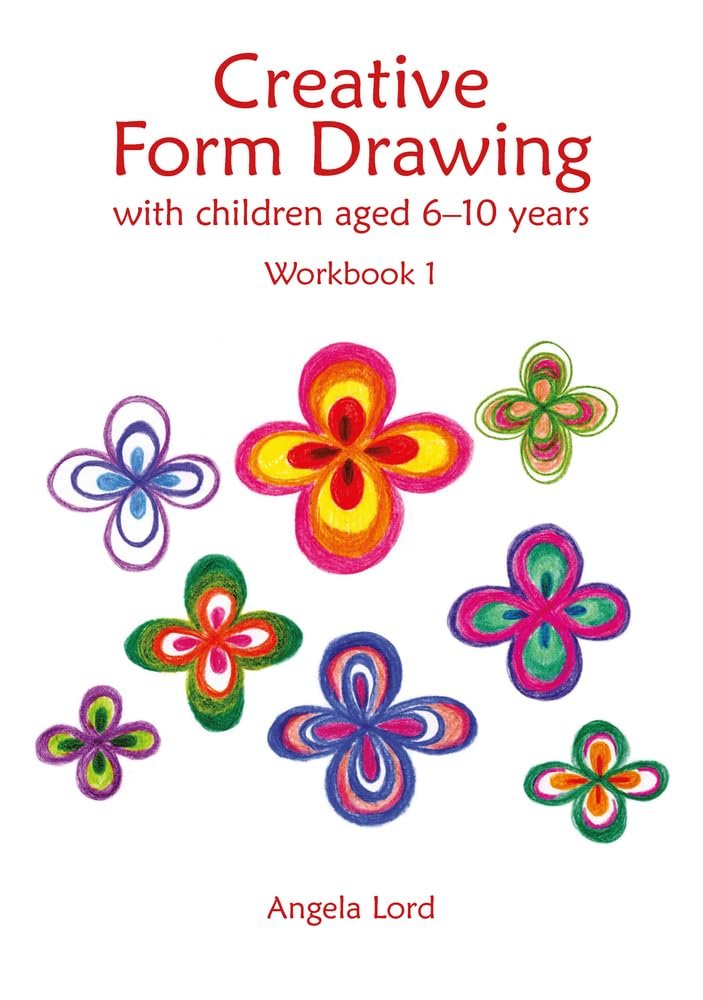
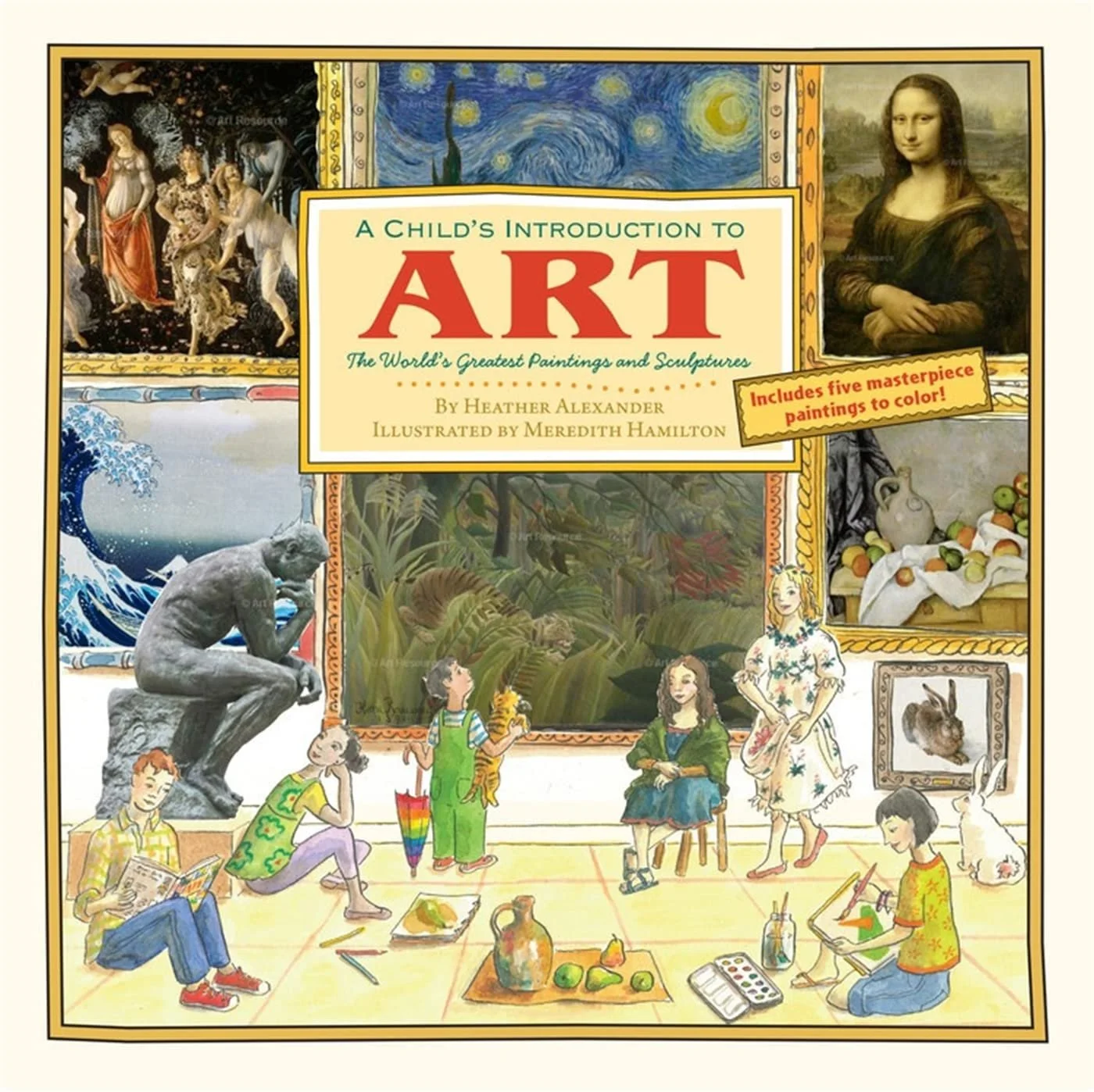
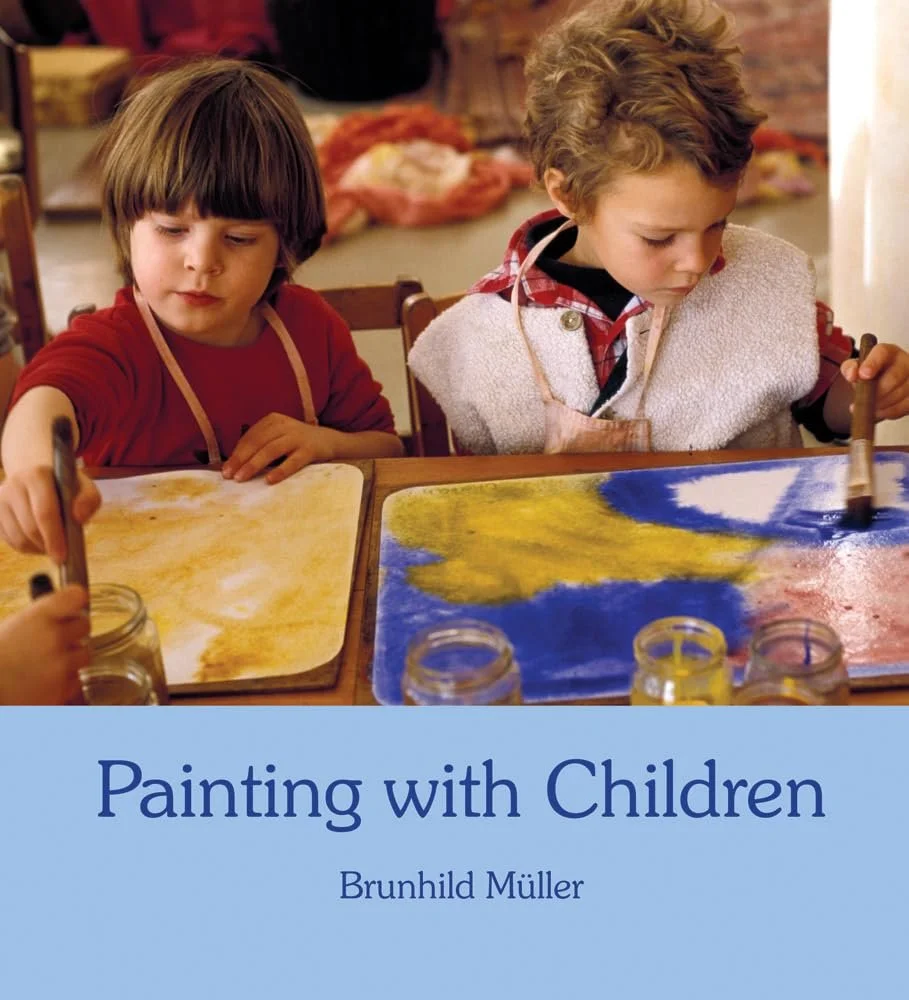
My Amazon Storefront
(Books + Supplies)
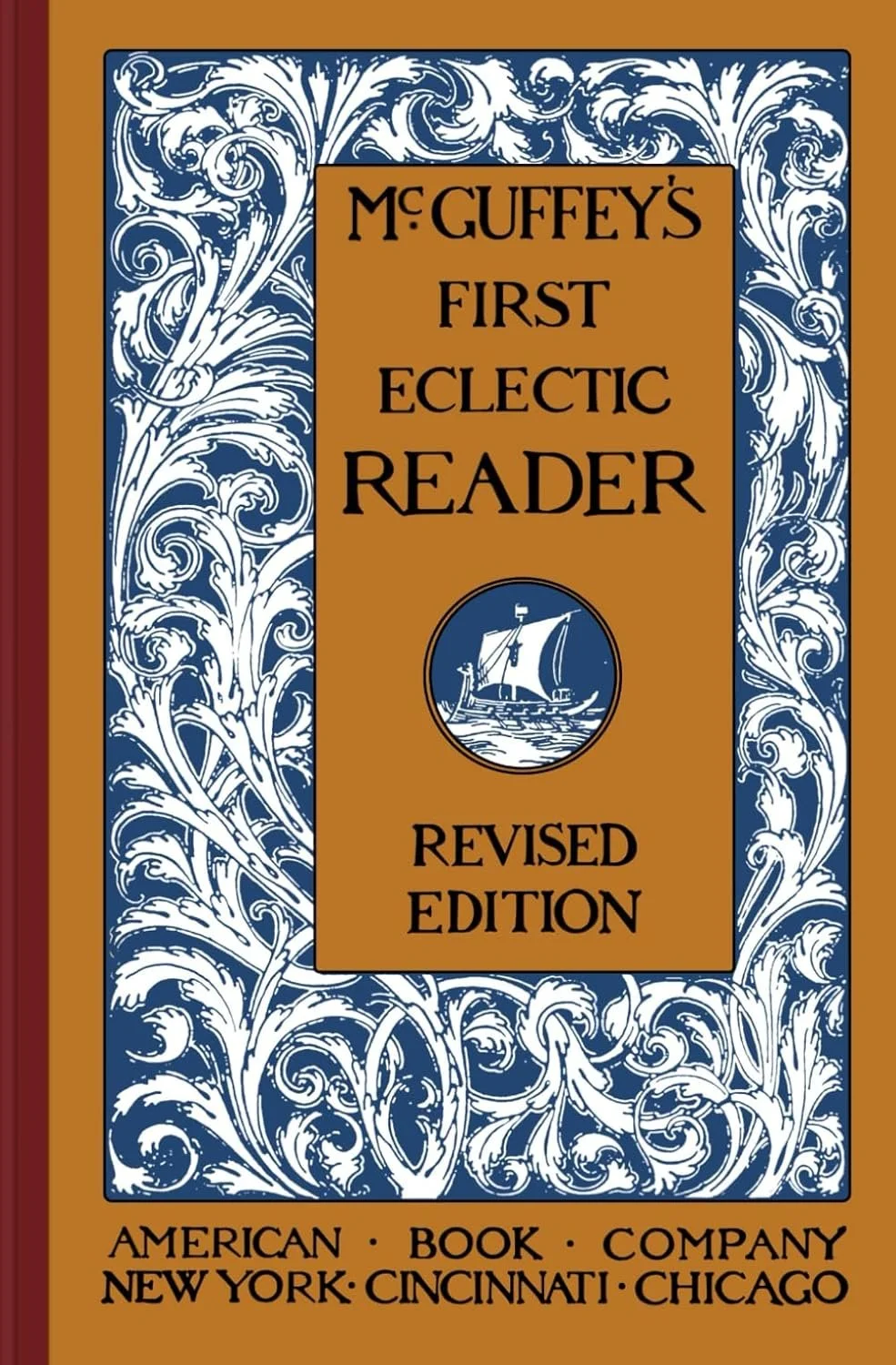
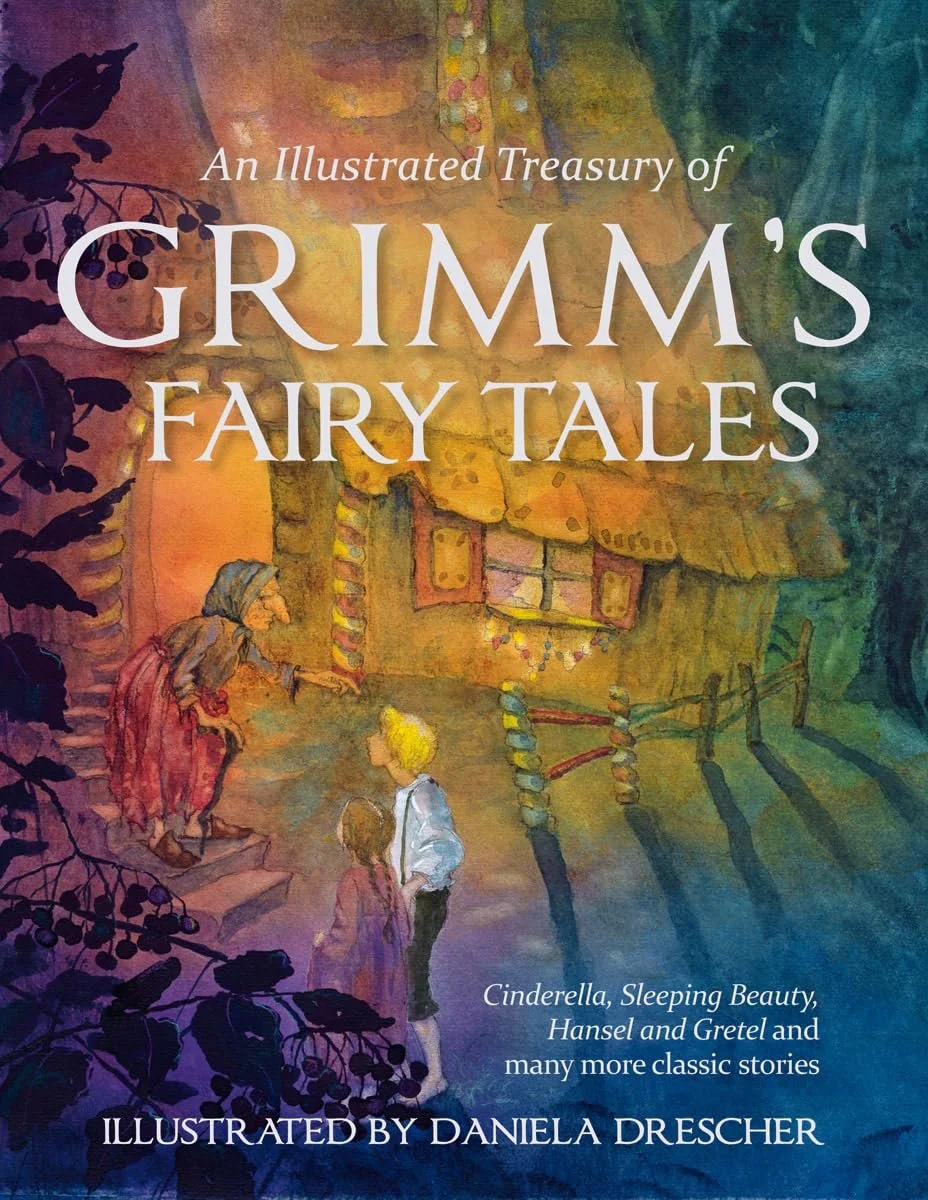
Music Supplies
(The Nestling Company, supporting a small mom owned shop in Maine.)
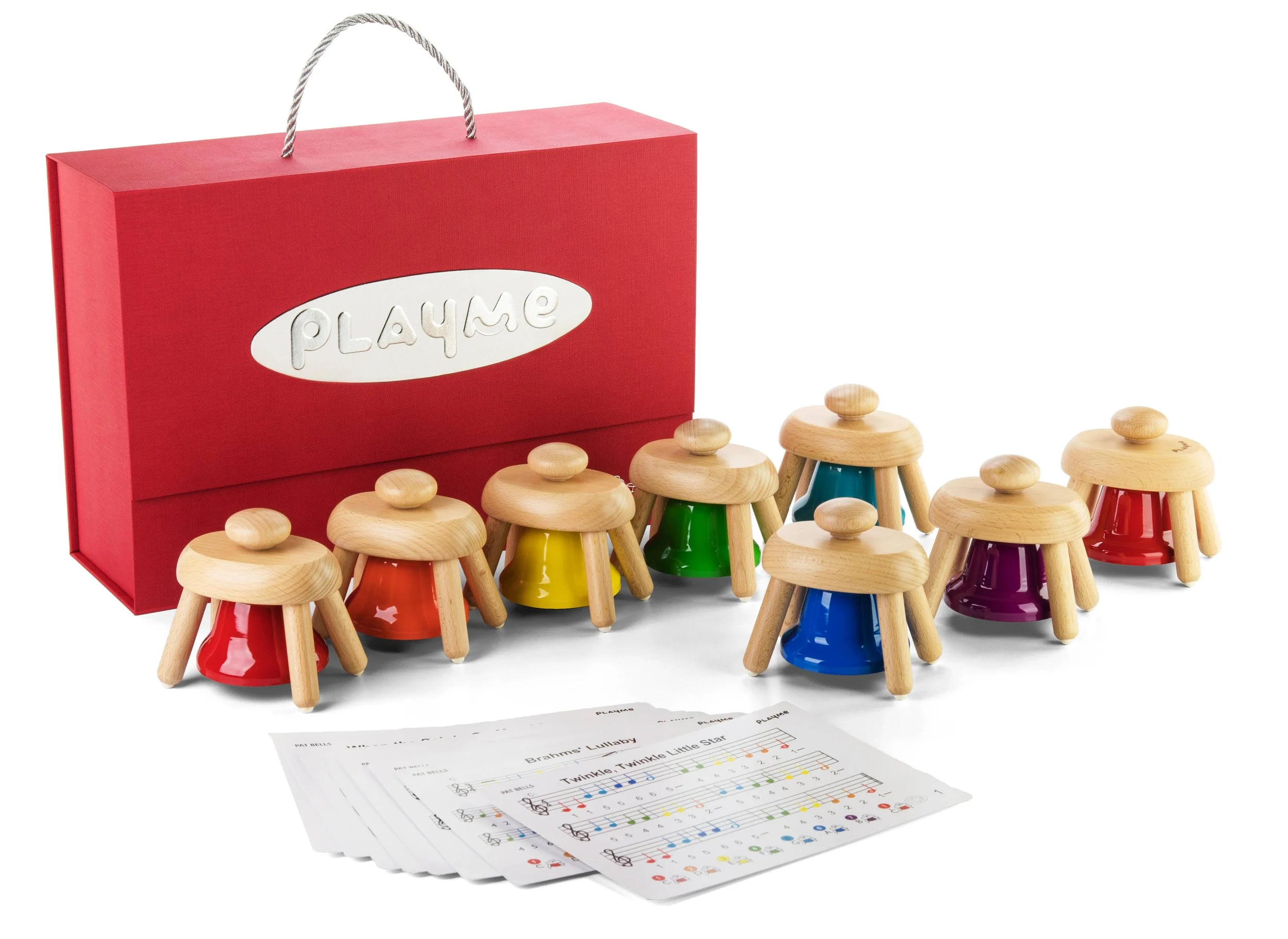
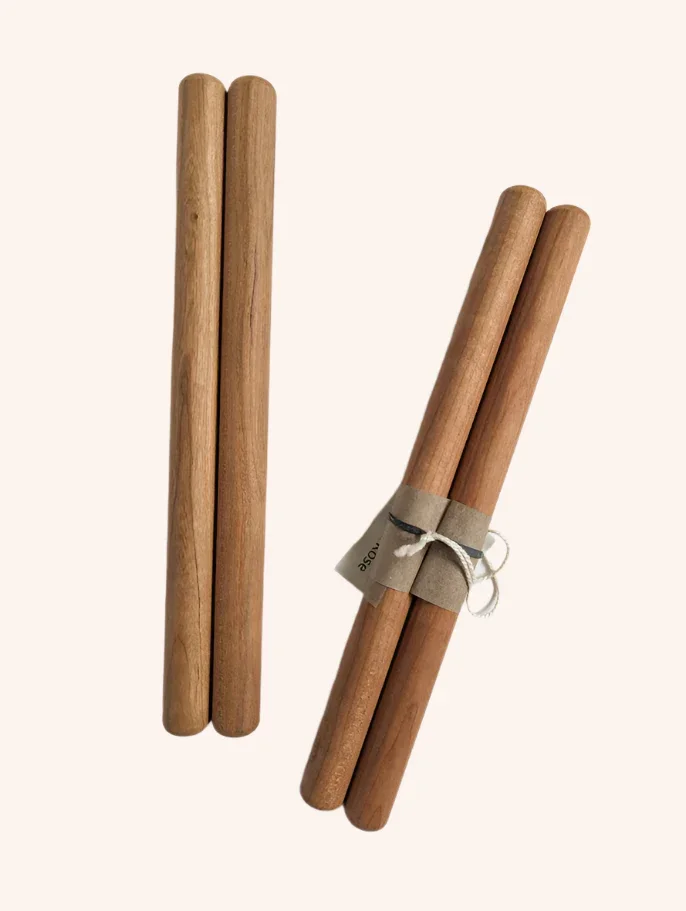
If I was to recommend two musical instruments to start learning with music it would be music bells and rhythm sticks. We use these almost every single day. So much musical learning can happen with these simple instruments and our voice of course! Click the photos to be sent directly to the item.
Use my links and code: magicalmusicmethod for $5.00 off the music bells, + free shipping in USA.
Bella Luna Toy Store
(Click each item for link.)
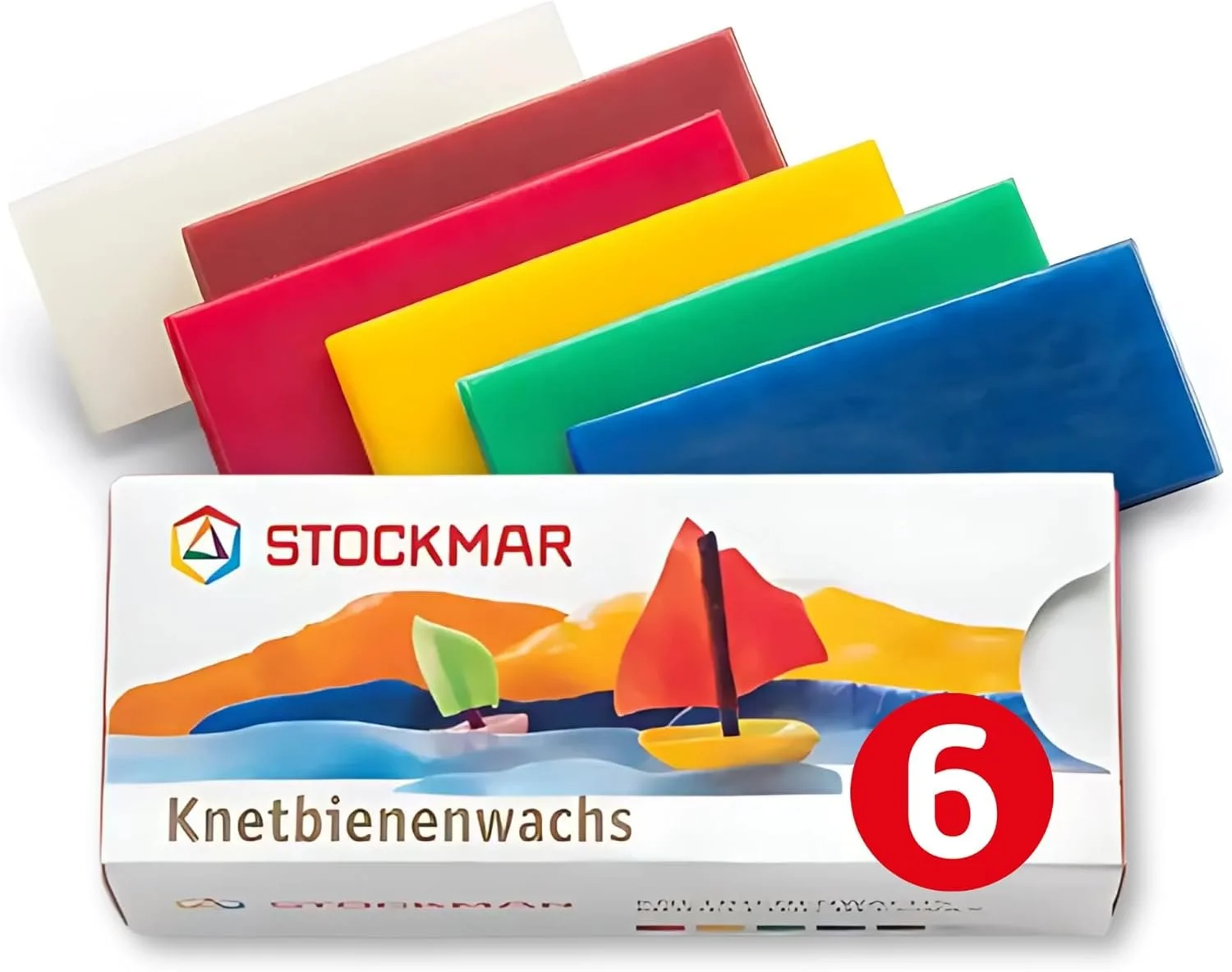
We warm the beeswax in our hands while listening to a story or singing and often shape things we are singing or learning about - flowers, animals, buildings, you name it!
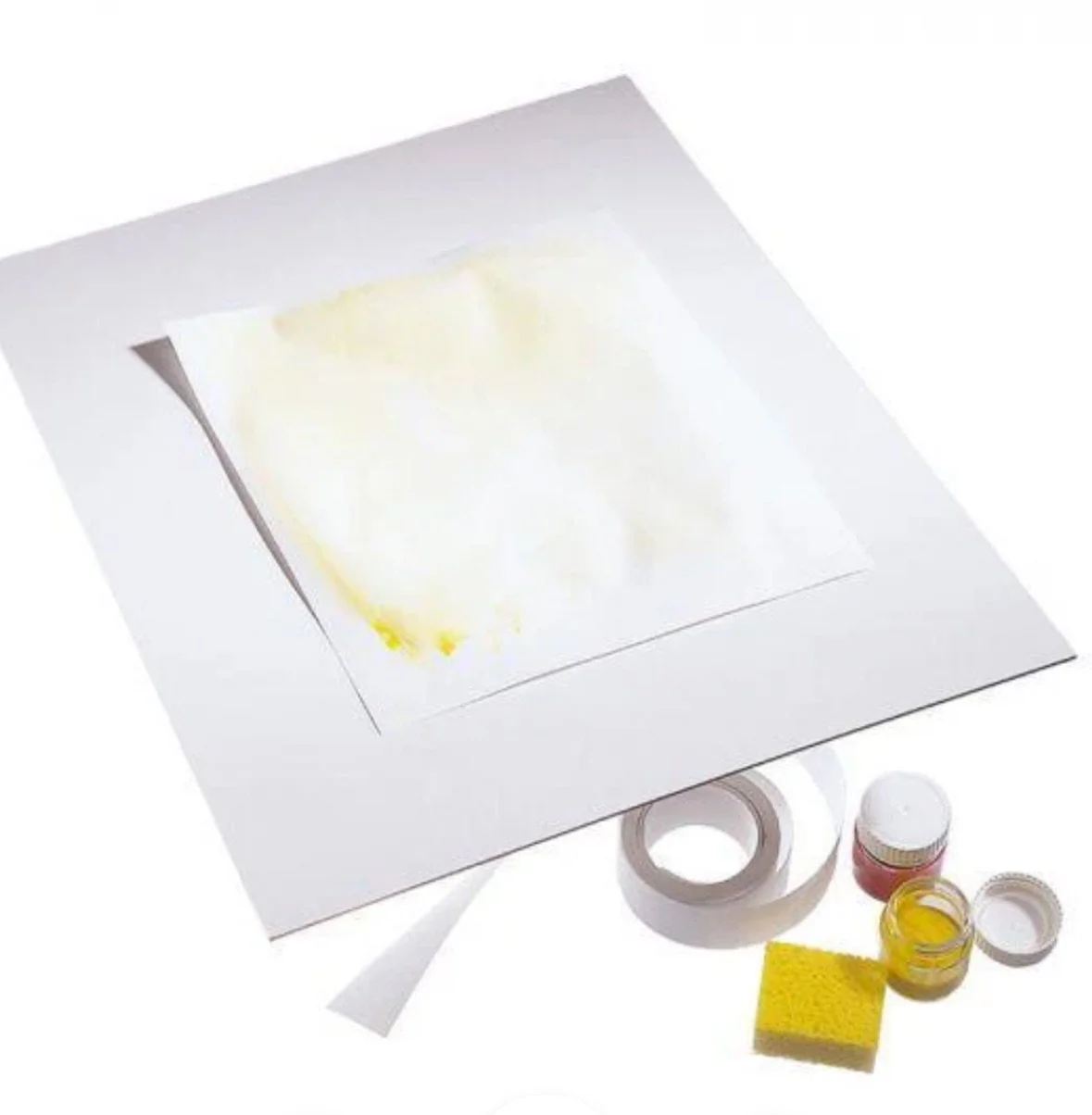
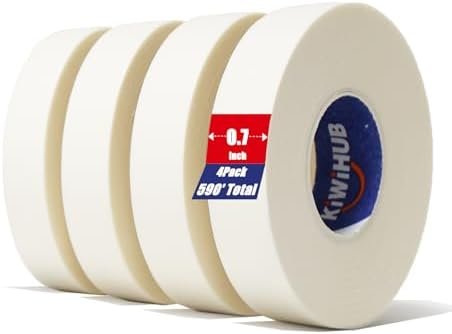
This board is light and easy to clean and saves our wood table from water and paint (for the most part) and is perfect for wet on wet watercolor painting. We often tape our work to the board with artist tape and it then creates a lovely framed edge around the art piece!
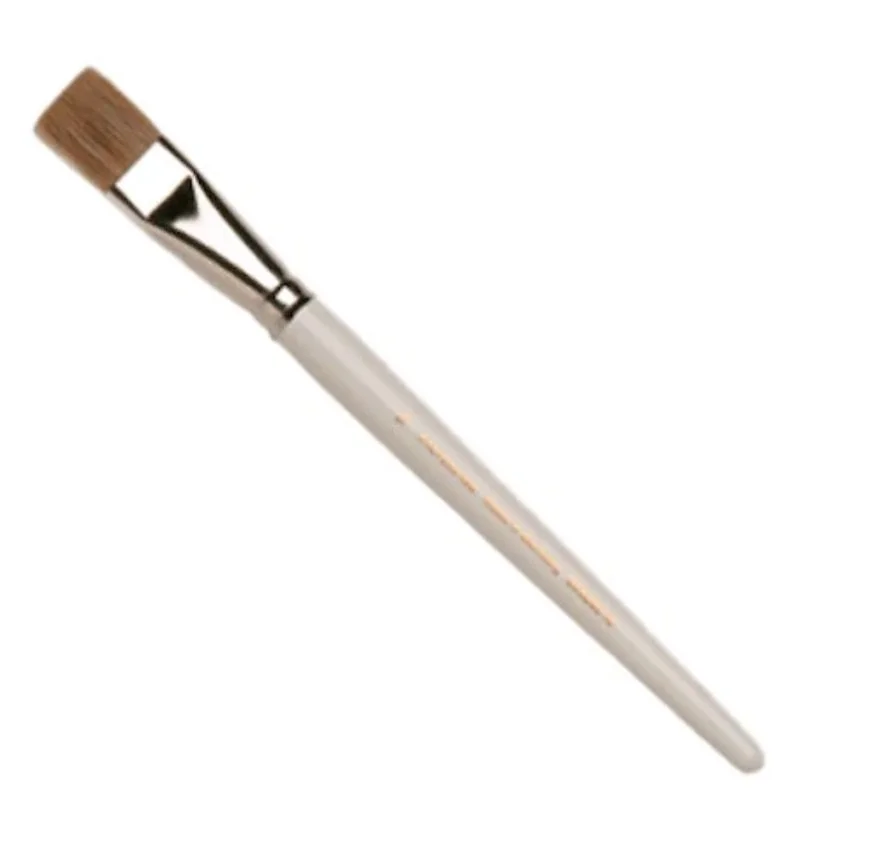
This brush is really superb. It doesn’t shed terribly like a lot of other paintbrushes and I think the size is perfect for small hands.
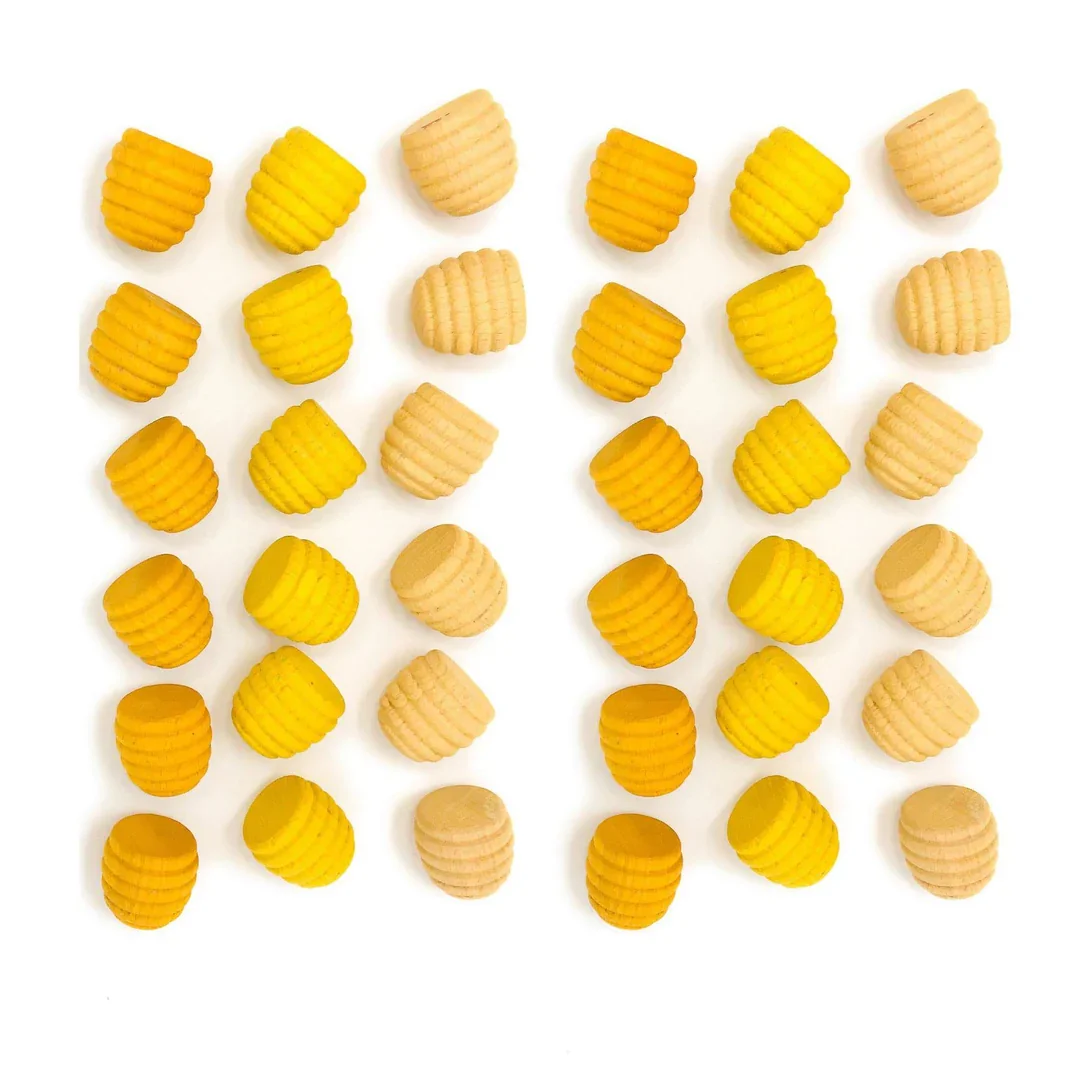
We have loved the Grapat set for math and have imagined lots of bees and honey with subtracting, adding, multiplying and dividing happening.
If you would like to see links to more resources and items I love, they can be found on the Links page of my website. I have lists of musical books, playlists, teaching knitting with song to children and favorite supplies and a link to my new YouTube channel where I will be delving into lots of topics, including homeschooling. Would love to see you over there as a subscriber. :)
Here is my latest video:
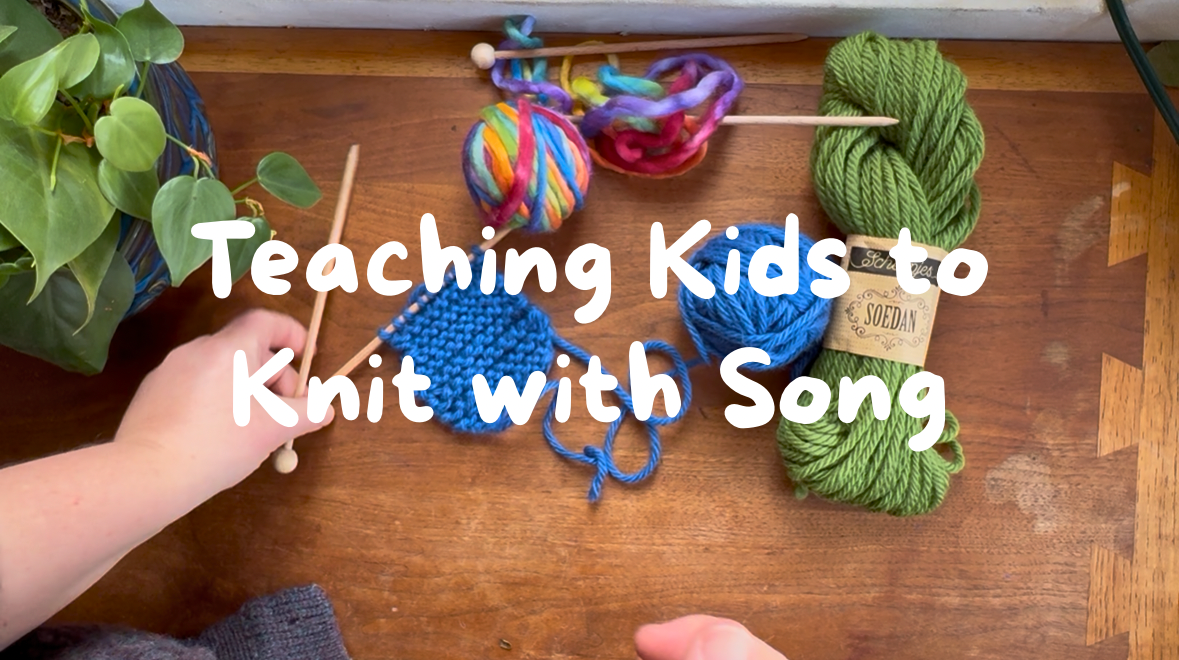
Teaching Kids to Knit with Song
Everything you need to learn how to teach your child to knit using song and verse.
This post contains affiliate links. If you purchase through them, I may receive a small commission - at no extra cost to you. Thank you for supporting my work!
I first learned to knit when I was eight years old. I often used to spend extra time after school, waiting for my older siblings to be finished, as my older sister was the one who drove us to and from school.
Most of my teachers were Catholic nuns as I went to a small Catholic school in New York. I still have this very distinct memory of sitting at my desk watching Sr. Mary Peter knit, who was my adult supervision on this particular day, until it was time for me to leave. She was working on a stuffed panda bear. I remember walking up to her desk to watch more closely, completely fascinated.
She noticed my interest and offered to show me how to knit right away. She gave me a pair of needles, cast on the first row and then showed me the knit stitch. She did it like it was the easiest thing in the world. I am forever grateful to her. She was so kind and willing to share her expertise.
I recently got the pleasure of talking with her in person again last summer, to only find out she had suffered a stroke and was not able to knit anymore. I almost wanted to cry, because I knew how much she loved knitting. Her passion for the craft exuded from her. She was always knitting something when I knew her as a child.
I told her that I still knit, albeit still very much an amateur, and that it was all thanks to her. Her eyes lit up and she began reminiscing about all the things she had made in her youth. Aran sweaters, stuffed animals, blankets, knit clothes…you name it. She even told me how she could knit and read a book simultaneously. A few weeks later after this conversation, I again had the pleasure of talking with Sister and this time she had brought a whole binder of patterns to share with me. Many of them out of print patterns of stuffed toys I could knit for my children. Just to show you the type of person Sister is, she had shared how she had contacted the creator of the patterns and emailed if she could share the patterns with others since all of them were out of print and hard to find. The creator happily shared her consent.
I am reminded of the generosity of creative kind people and strive to, at least in my small way, share ways we can connect with our children and others and share the joy of creating.
Music and creating (in all its forms) are truly the basis of what makes us all human. The innate desire to want to create beauty.
If you have ever wanted to learn to knit or want to teach your child, I hope that these simple little sung verses will add some beauty to your journey. And I promise that you and your child will never forget to knit and purl once you have put the stitches to song. Because musical memory is the most long lasting.
Holistic Music Learning
There was a time when children learned skills and knowledge through music and song. Generations ago it was understood that if you wanted children to remember something, then it should be learned with song. Want them to remember the alphabet? Sing it. Want them to remember their times tables? Sing it. Want them to remember how to tie their shoe? Sing it.
The well known “Pop Goes the Weasel” was a song that was rooted in the textiles trade when children were expected to help with the adult work. The song helped make the work more enjoyable, easier and more memorable. There are countless more examples where we see the wisdom of generations past in harnessing the power of music.
Combing song with handwork like knitting, is the quintessential example of holistic music learning. Children learn music because of the movements, and remember the movements because of the music. It is how children learn best, because learning is not happening in isolation. It is literally woven into life.
Video Tutorials
Favorite Supplies to Begin Knitting with Young Children
When it comes to teaching a fine motor skill, like knitting with needles, the right supplies are essential to making it easy for young children. Needles that are too long or too skinny or too slippery can make the experience frustrating for young hands. The needles and yarn that I am using in the videos are what my 7 year old son is learning with and it has made it such a cinch for him. The needles are a perfect size in his hands and the yarn does not slip off the needles!
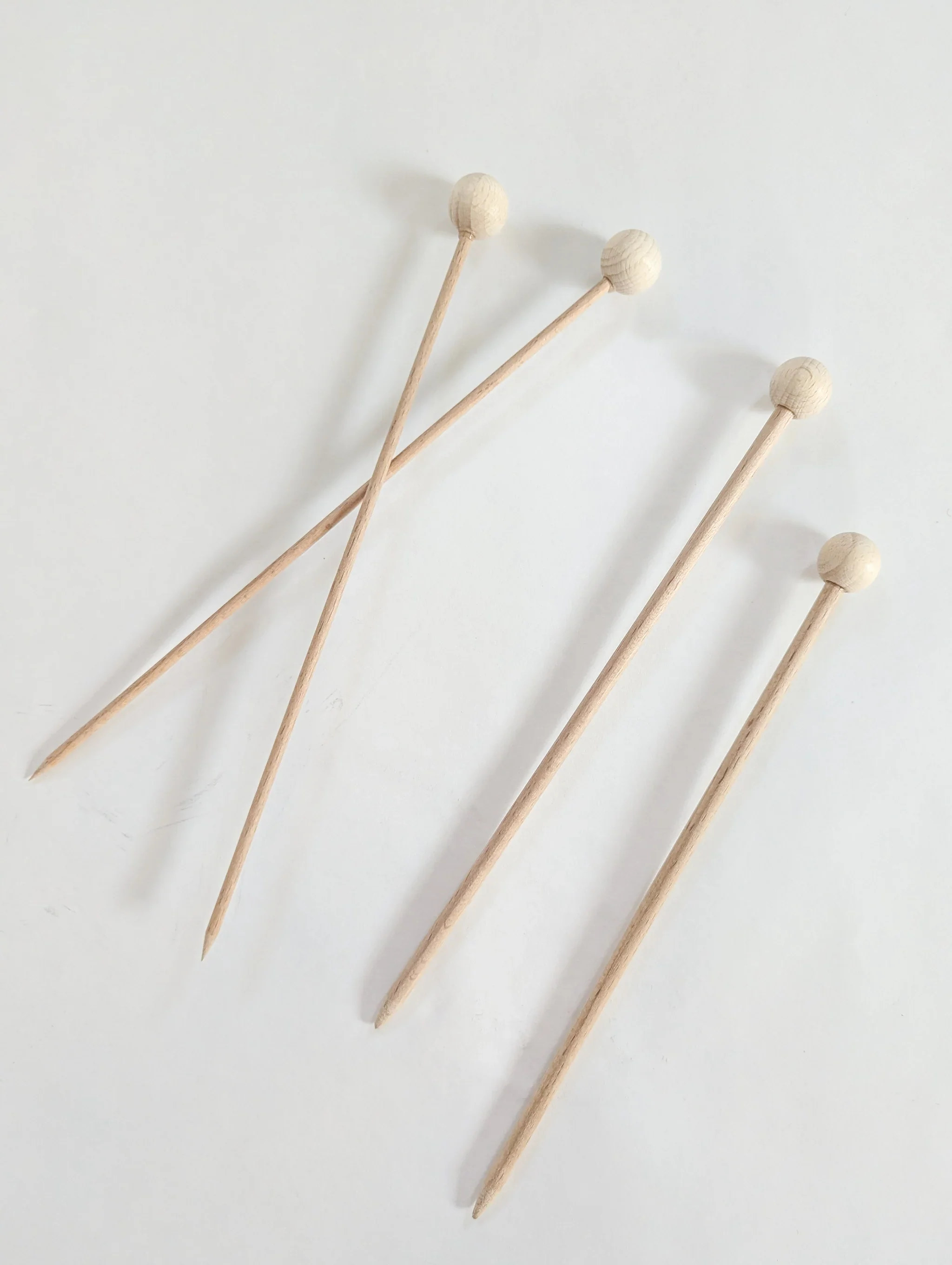
I recommend these needles in a size US 8 (5 mm). They are very grippy so that the wool does not slip off the needles. Perfection! And your purchase is supporting a small mom owned shop in Maine.
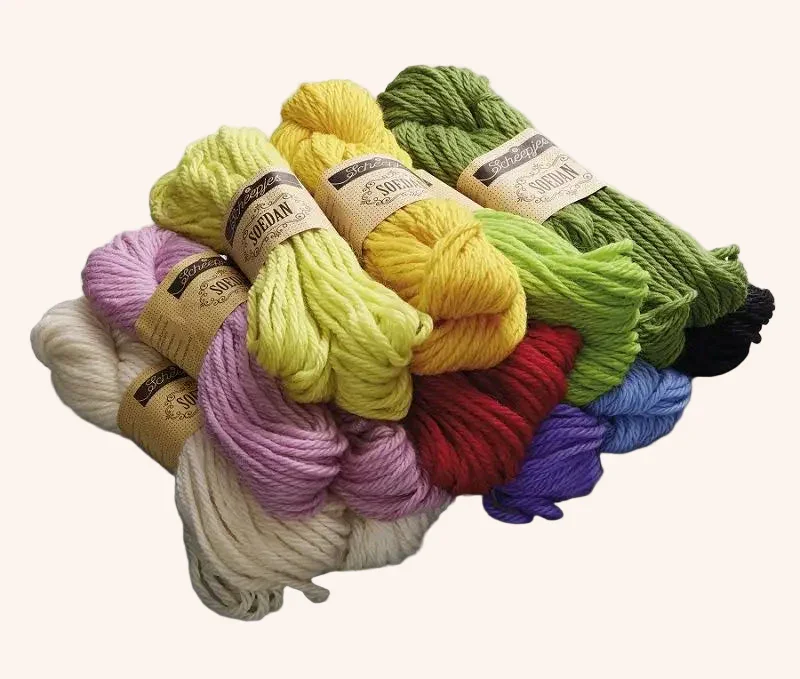
This yarn is a soft pure virgin wool that is ideal in size for the above needles. It feels lovely to the touch and is so easy to manage on the needles because of its size and texture. Highly recommend! And again your purchase supports a small mom owned shop in Maine.
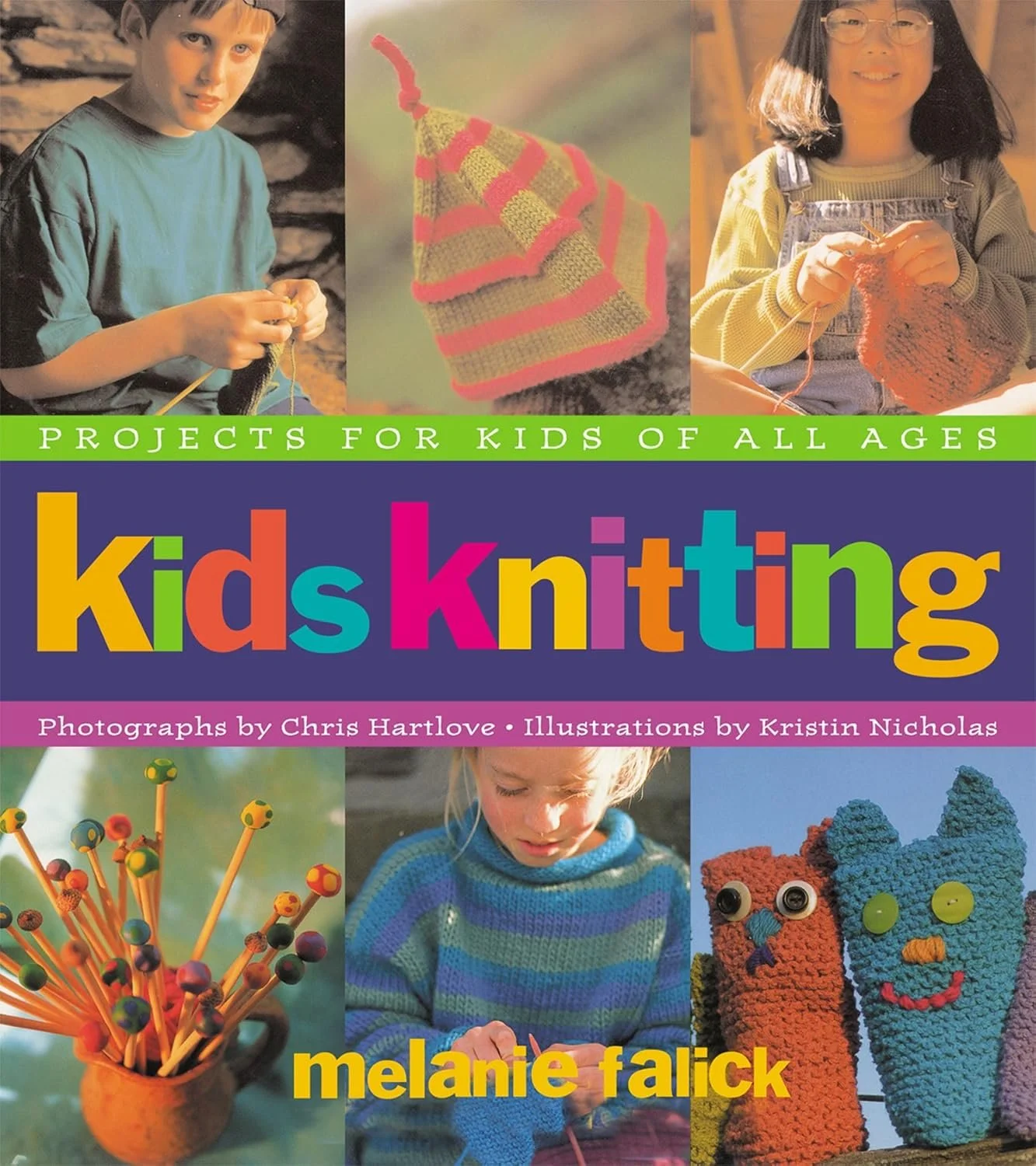
This is a great little book that I found first at the library and loved it so much I purchased a copy to have. It has lovely little projects, ideas and tips for knitting with children.
If you enjoy my content, please consider sharing my new YouTube channel with your friends and families. It would mean so much to me and my family. I think once I get to 1,000 subscribers I can monetize and help support my family even more. Thank you, thank you, thank you!
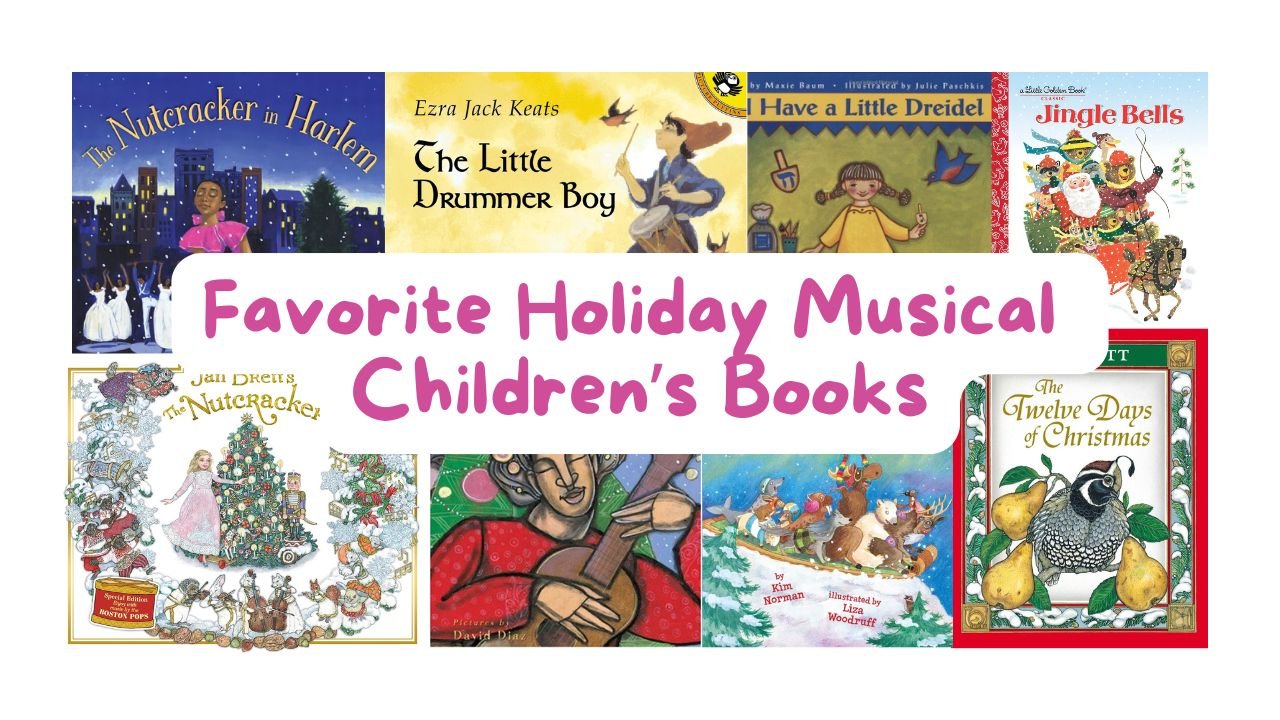
Favorite Holiday Musical Children’s Books
This post contains affiliate links. If you purchase through them, I may receive a small commission - at no extra cost to you. Thank you for supporting my work!
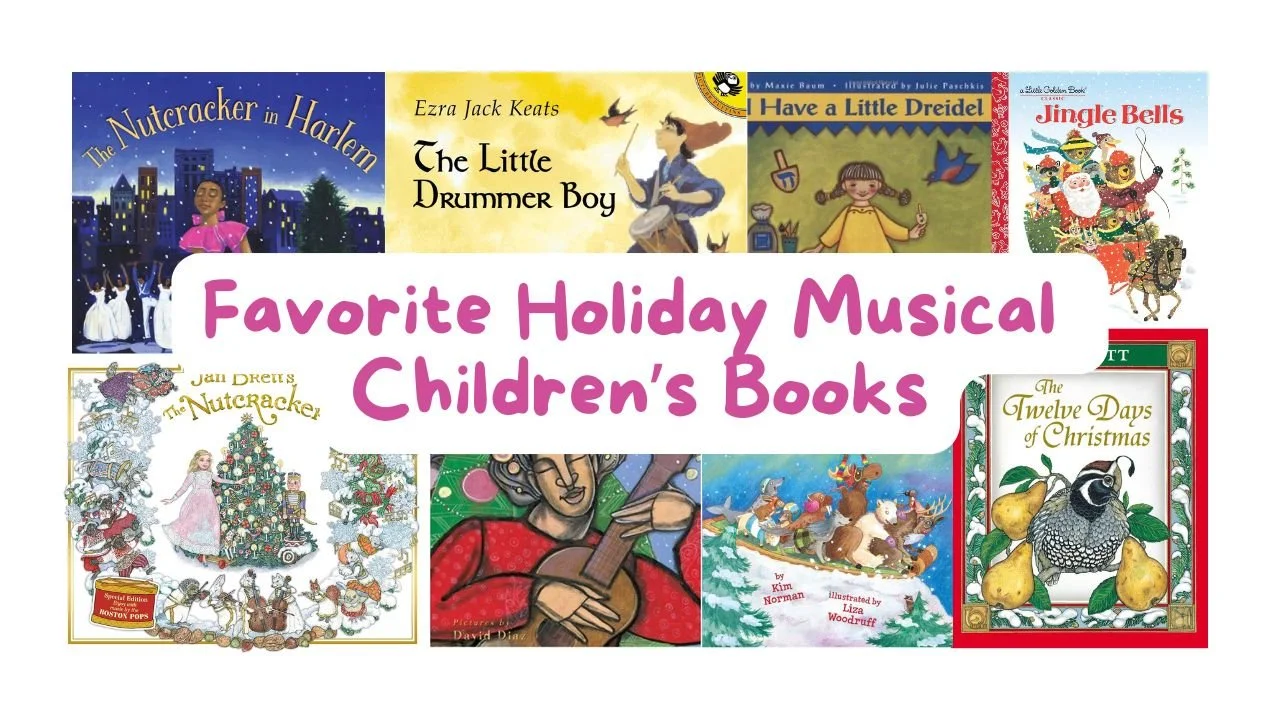
Christmas is my favorite time of year. I love everything about it and creating magic for my kids and making beautiful memories. I’ve curated some of my favorite musical books that really make this time of year special. Not to toot my own horn, but I think I succeeded in compiling a really unique curation of books highlighting beautiful music, stunning illustrations and the best of the holiday season. I have broken down my books into different sections and have shared my thoughts on each book.
There are so many memories wrapped up in our own Christmas books, and every year when I take them out of the storage container, my kids get so, so excited! Snuggling on blustery winter day with a cup of hot chocolate and a great book cannot be beat! I hope some of these books will become some of your most treasured memories too! Wishing you the most beautiful December and may it be filled with joy, music and love!
Important (Please Read):
I’ve linked many of the book covers and titles below through Bookshop.org, which is a wonderful platform that supports independent bookstores! You can buy directly from local bookstores through their website, and 80% of their profit goes back to bookstores! I always aim to use my online presence to uplift businesses (especially small businesses) doing positive things. However, many of these books are hard to find on Bookshop.org so I linked through Amazon in those cases. And keep in mind, some of these books are hard to find, or out of print, so perusing second hand book websites may be a better option for the best price. I have included Amazon links at the bottom of the post. And finally, this is a BIG list of books- try your local library and see if you can check some of them out first. <3
The Nutcracker Collection
Nothing is more synonymous with the holiday season than “The Nutcracker!” The masterful and sumptuous ballet composed by Pyotr Ilyich Tchaikovsky takes place on Christmas Eve and has inspired families for generations. There are so many incredible children’s books on The Nutcracker that I had to narrow it down to my favorites. I highly recommend playing the music during the month of December and letting children get familiar with the story and the music. This story and music is just pure magic in every way! Maybe you can even catch a performance this season!
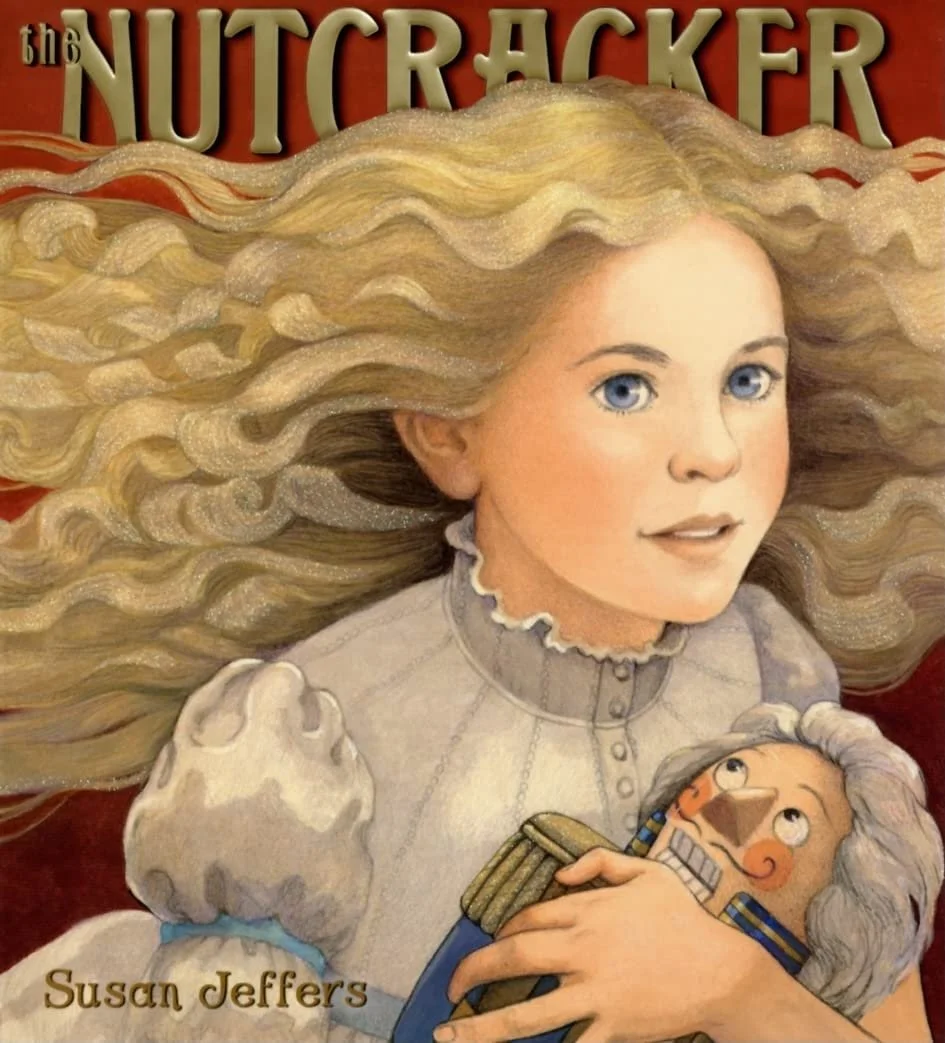
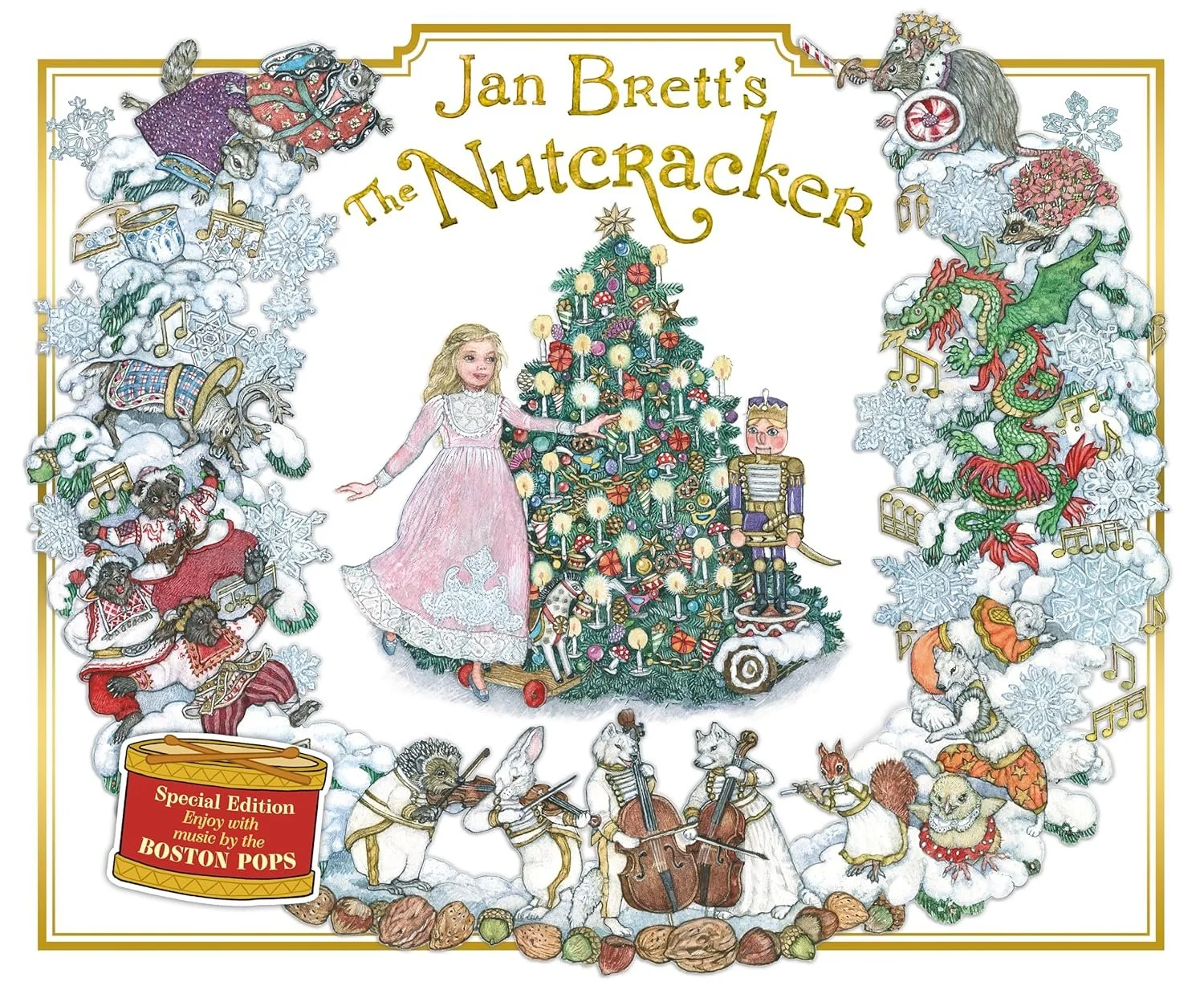
The Nutcracker This version is a wonderful telling of the story for children based on the traditional ballet. It tells the story simply and is a perfect introduction to understanding what the story is about. Susan Jeffers illustrations are simply beautiful and lush! A truly magical world she creates with her illustrations and children will absolutely love looking at this book.
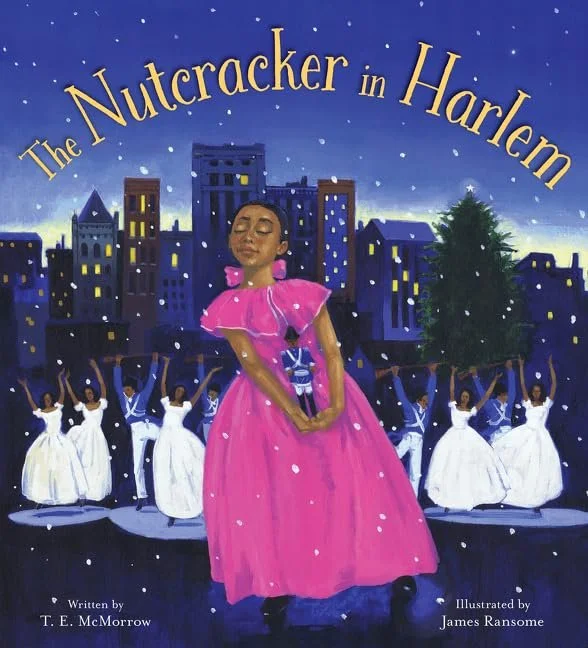
The Nutcracker in Harlem I cannot even begin to tell you how much I love this book! It is such an incredibly special book. Set in Harlem during the Jazz renaissance, it is a re-telling of The Nutcracker story. The storyline is spectacular, the illustrations are magnificent and the moral of the story is most special of all. My favorite line from the book is spoken by Miss Addie to Marie, “Music lives inside everyone. You just have to let it out.” It’s a book with a tremendous amount of heart and one of my favorites!
Jan Brett’s The Nutcracker So I have just ordered this book as a new addition to our collection, but I wanted to add it here because I already know it’s going to be spectacular! Imagine Jan Brett’s magical, detailed magnificent illustrations with The Nutcracker and I can only imagine how beautiful it will be. I will update here once I receive it. :)
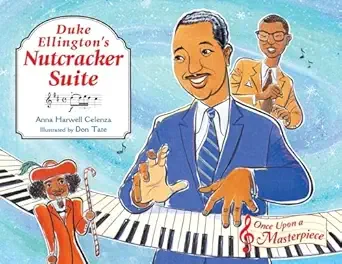
Duke Ellington’s Nutcracker Suite I absolutely love Duke Ellington’s music and his Nutcracker Suite is spectacular! I wanted to include this book as a pair for the wonderful music. Children can listen to Duke Ellington and then have you read this to them. This book has a lot of detailed history on the behind story of the music and is really wonderful. It is better suited for older children as it is very lengthy with a lot of details, but if you want to read it to younger children, then abridge it a little and have them look at the pictures. Don’t overburden them with too many facts when they’re little, or they will start to tune out. :) I love having kids listen to the original and then the jazz version and comparing - makes for great conversation!
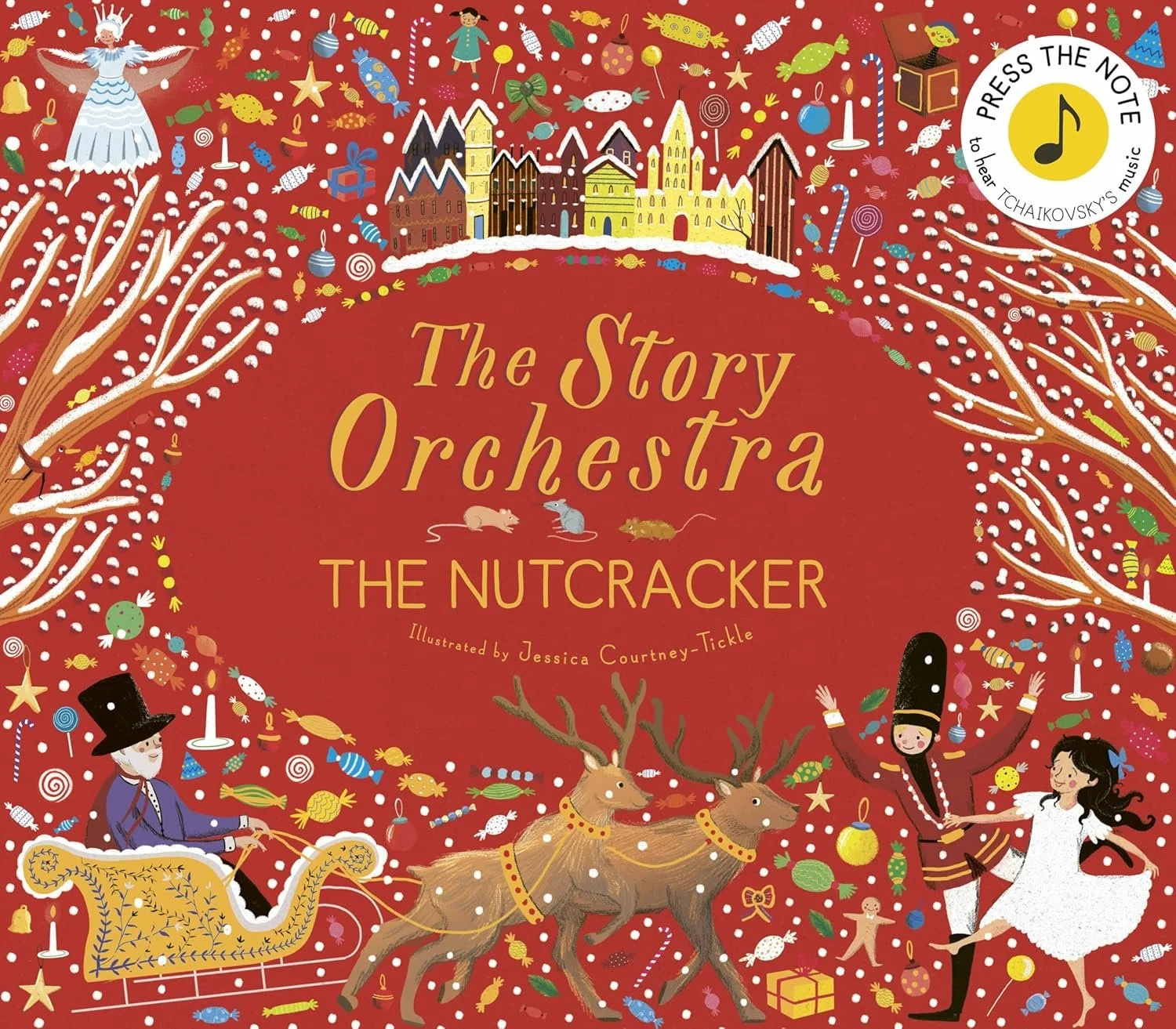
The Story Orchestra, The Nutcracker I don't usually add The Story Orchestra books to my book lists, not because I don’t like them, but because I usually avoid battery books. I just dislike the hassle of them when the battery dies. I’d rather play the music from a speaker, than from a book. But I made an exception for this book, because I think this one is really fun for young kids! It’s beautifully done and kids will really start to associate the music themes with the different scenes and easily identify the music.
Christmas Musical Books
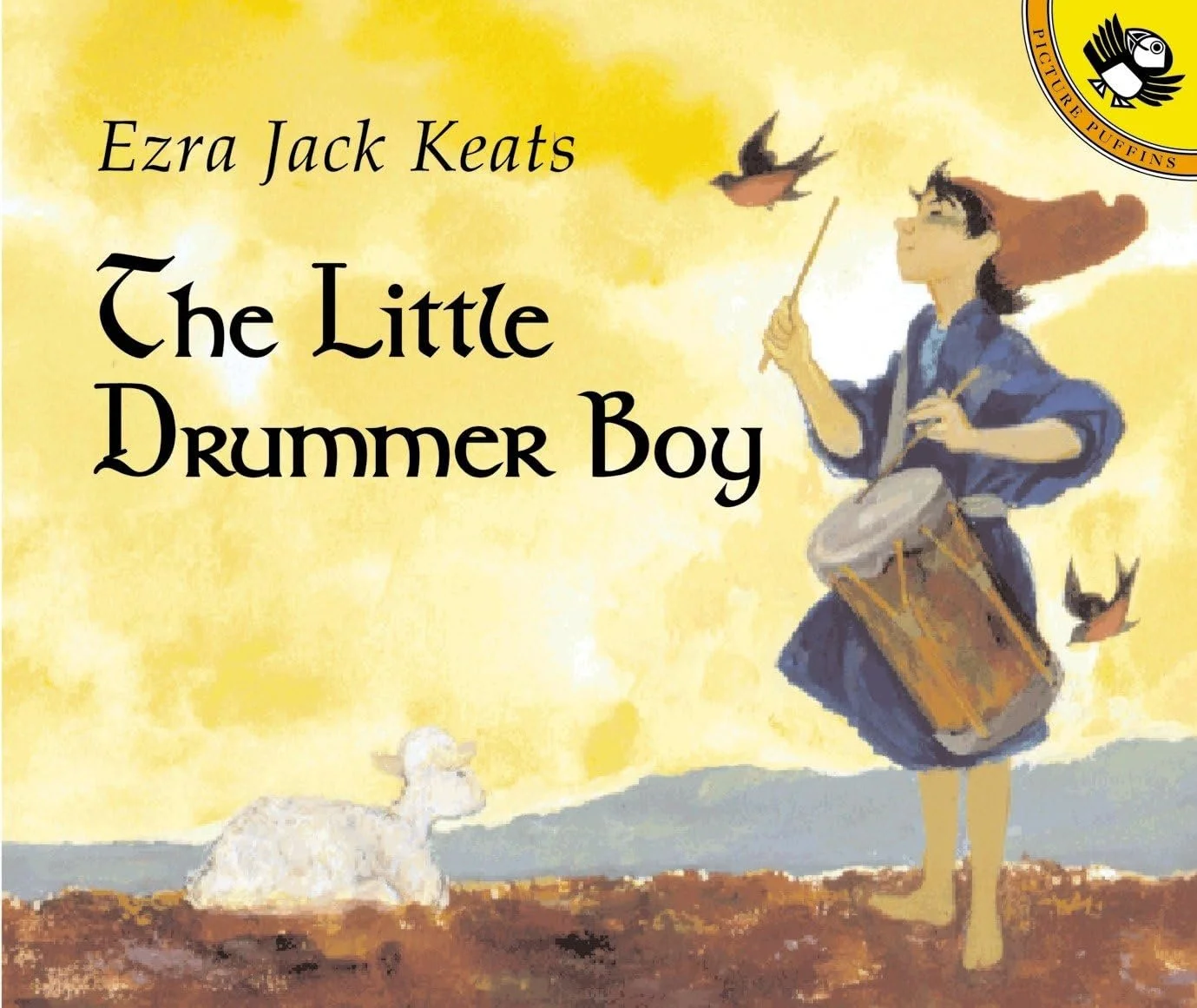
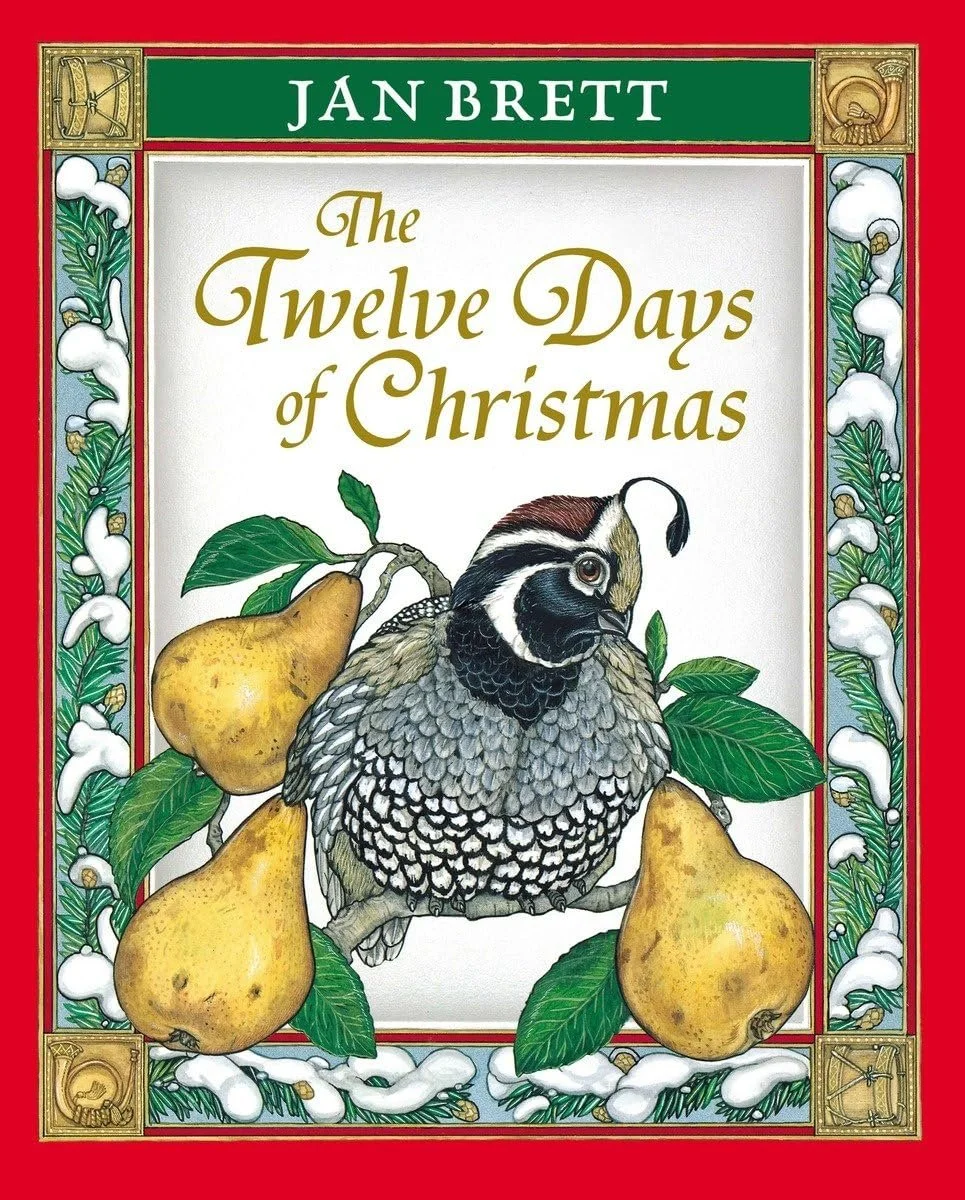
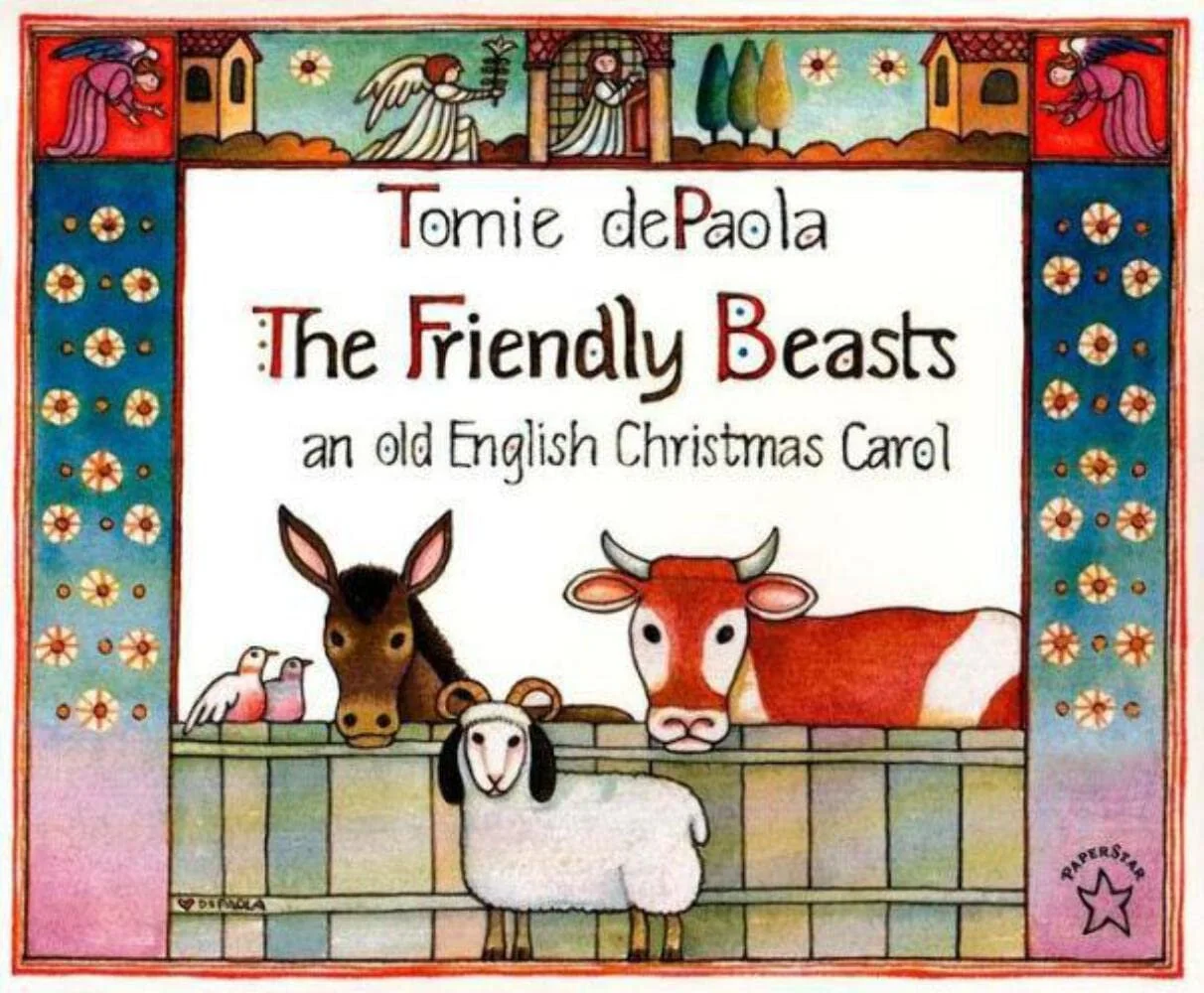
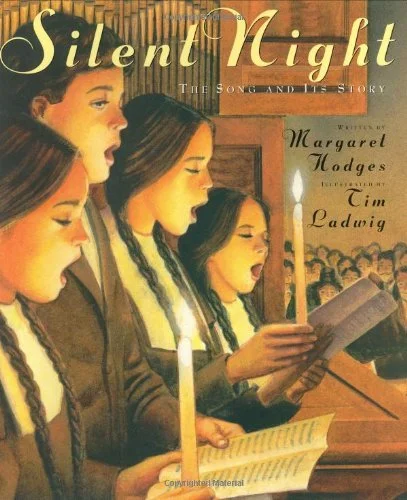
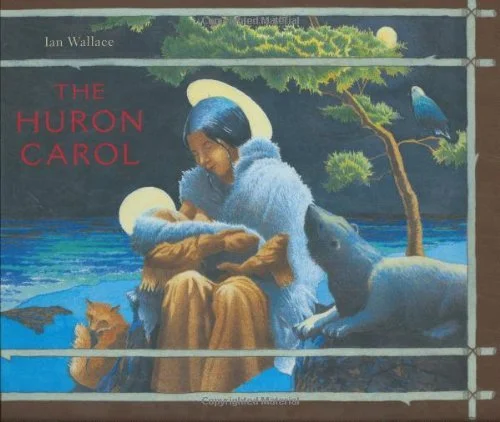
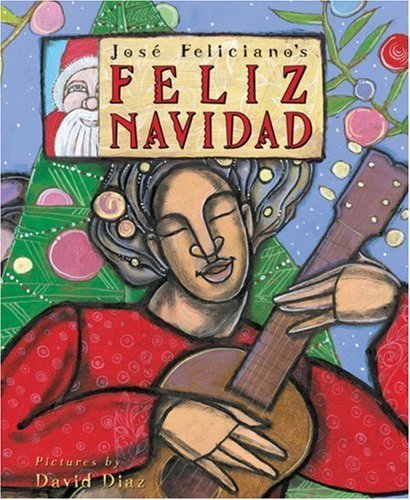
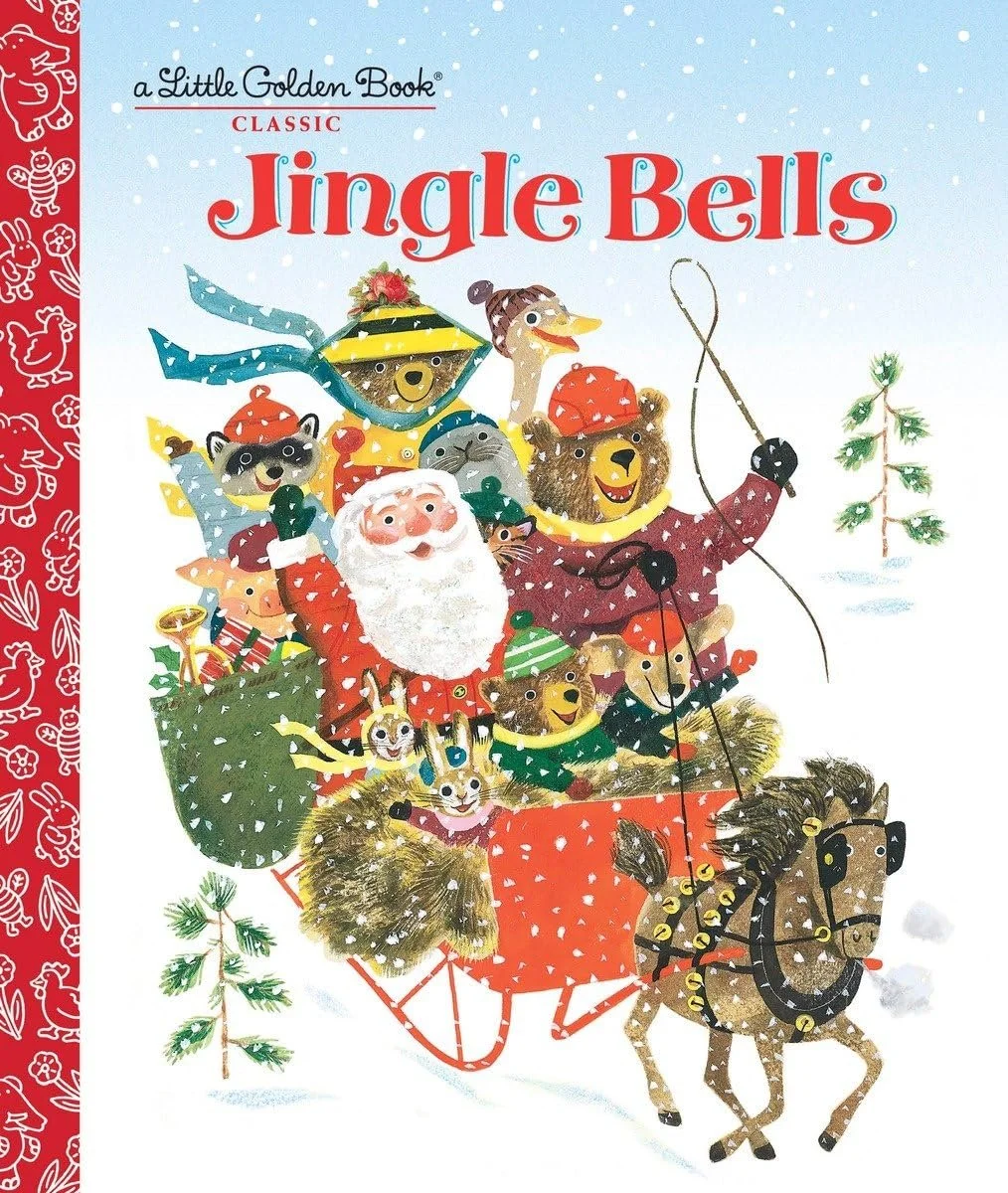
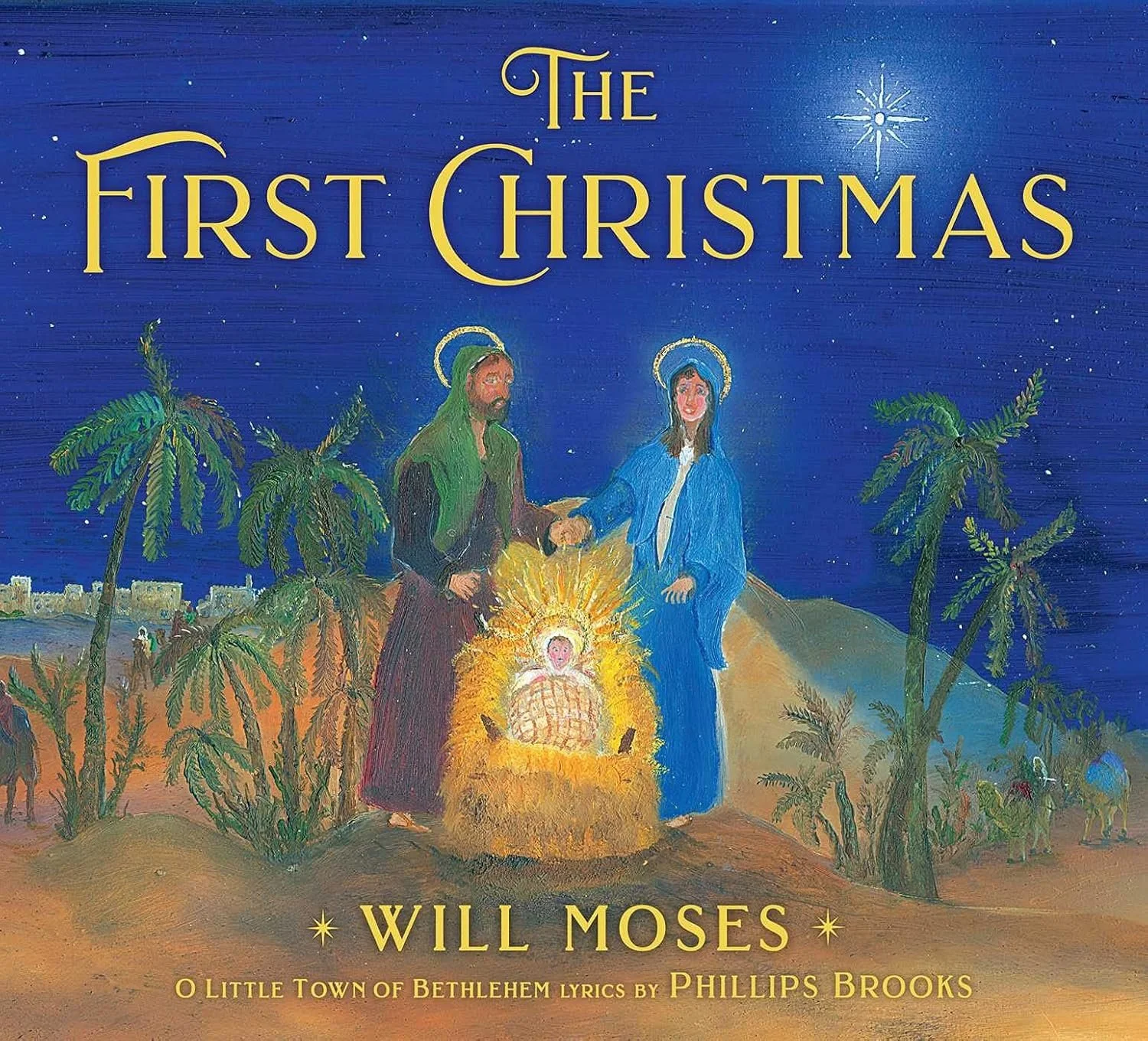
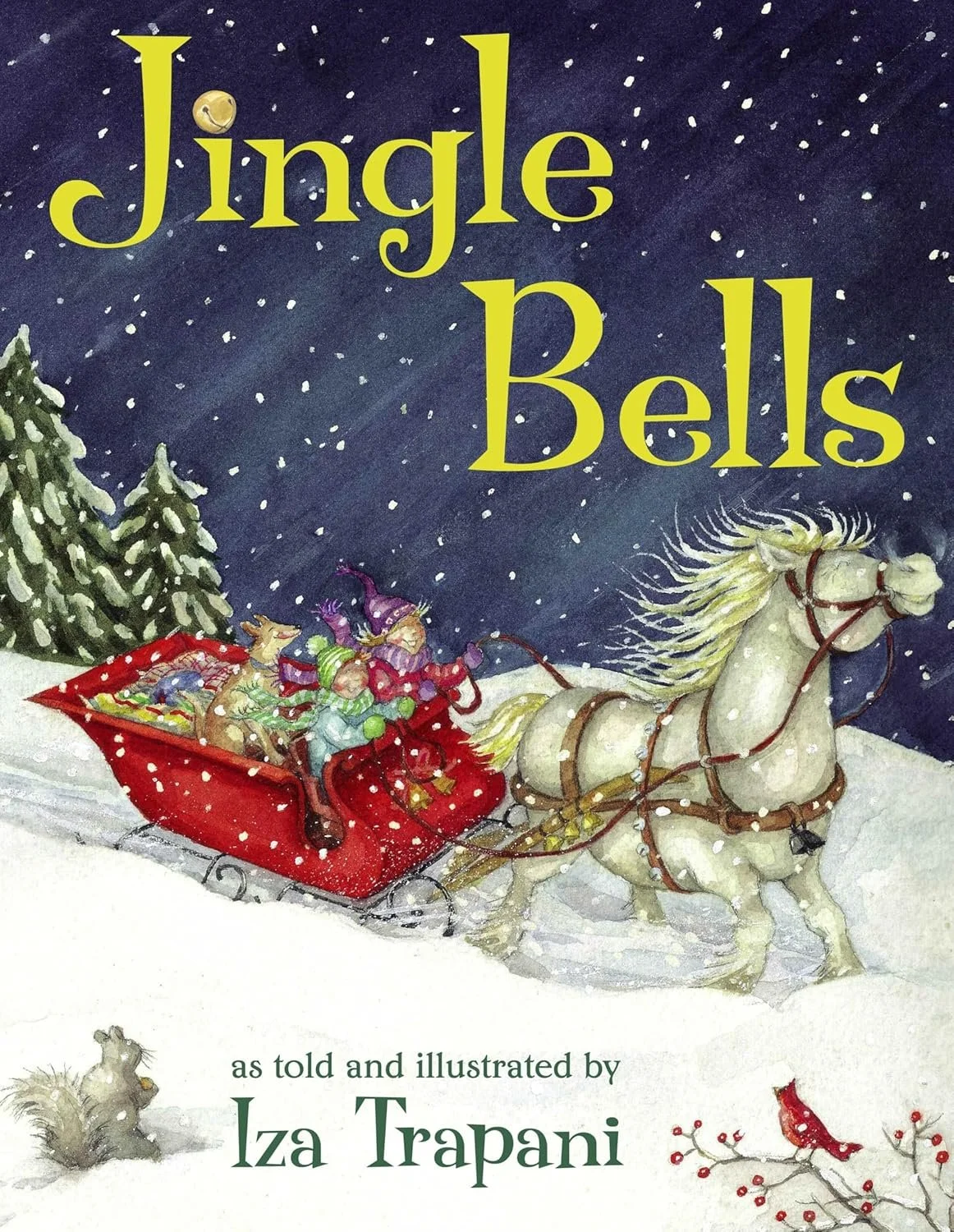
The Little Drummer Boy If I was to recommend only one book for Christmas it would be this one! Ezra Jack Keats illustrations are absolutely perfect in every way - this book glows!! I love the song “The Little Drummer Boy” and the lyrics are the story in this gem of a book, with the rhythmic pa-rum pum pum pum. The lessons in this book/song are so profound and make it a must have book in my opinion!
The Twelve Days of Christmas Jan Brett’s exquisite and detailed illustrations bring to life the traditional Christmas carol. This is truly a great song to sing with children! It builds memory and counting skills, rich language and symbolism all within this well known tune. I particularly like this carol because it emphasizes the 12 days of Christmas that leads to Epiphany/Little Christmas and puts so much rich meaning into the season.
The Friendly Beasts This Christmas carol is absolutely beautiful! I don’t know why it’s not more popular in the USA. It’s more traditionally sung in the UK, but it comes from the point of view of the animals in Bethlehem. The donkey speaks of carrying His mother and the cow giving up his manger for the baby, and it’s so simple and lovely and truly a children’s carol in every way. The iconic illustrations by Tomie dePaola make this a truly special book!
Silent Night: The Song and It’s Story This is a hard to find book and you may need to peruse the used book sites. But it’s another exquisite book! It goes into the story behind the world famous “Silent Night” carol and how it became part of history in many unexpected ways! A Christmas song that has touched the hearts of people all over the world with it’s profound and simple melody. This book is lengthy and the rich prose, in the tradition of Margaret Hodges (IYKYK), makes it a classic!
The Huron Carol There’s no other way to describe this book other than luminous! The beautiful carol was originally written in the Huron language by Father Jean de Brébeuf. Known for his sensitivity and appreciation of the Huron culture and language, this carol describes Jesus being born using beautiful imagery within stunning lyrics. The song is still sung by generations of Hurons and is known as the first Canadian Carol.
Feliz Navidad A celebration of Puerto Rican culture and the spirit of Christmas where coming together in song and delicious food and being together is what it’s all about! I’ve always loved this Christmas song, and this book is so unique and lovely with the wonderful illustrations celebrating Caribbean Christmas! There’s a wonderful intro in this book where it describes different traditions celebrated in Puerto Rico - I personally love learning about other traditions and I think this book is a true celebration of Puerto Rican pride, that everyone will enjoy. Highly recommend this book!
Jingle Bells (Golden Book Series) This is an adorable and fun little book that weaves the lyrics of Jingle Bells into a charming little story. It’s fun to read to the book and have the kids join in when it’s time to sing the lyrics! Perfectly suited for young toddlers and the vintage style Christmas illustrations bring all the nostalgia.
The First Christmas My love of beautiful art and illustrations are always a huge factor in the books I select and this book is case in point. Illustrated by Will Moses, the great-grandson of renowned artist Grandma Moses, his folk art style is truly beautiful. The book follows the lyrics of the gorgeous carol, “O Little Town of Bethlehem,” another one of my favorites!
Jingle Bells What an absolutely incredible book this is! Iza Trapani expounds on the original lyrics of the song and takes a travel around the world to see how other cultures celebrate Christmas. Stopping in Mexico, Sweden, Italy, Kenya and the Philippines this book is truly special and celebrates the beauty of other cultures during this special season.
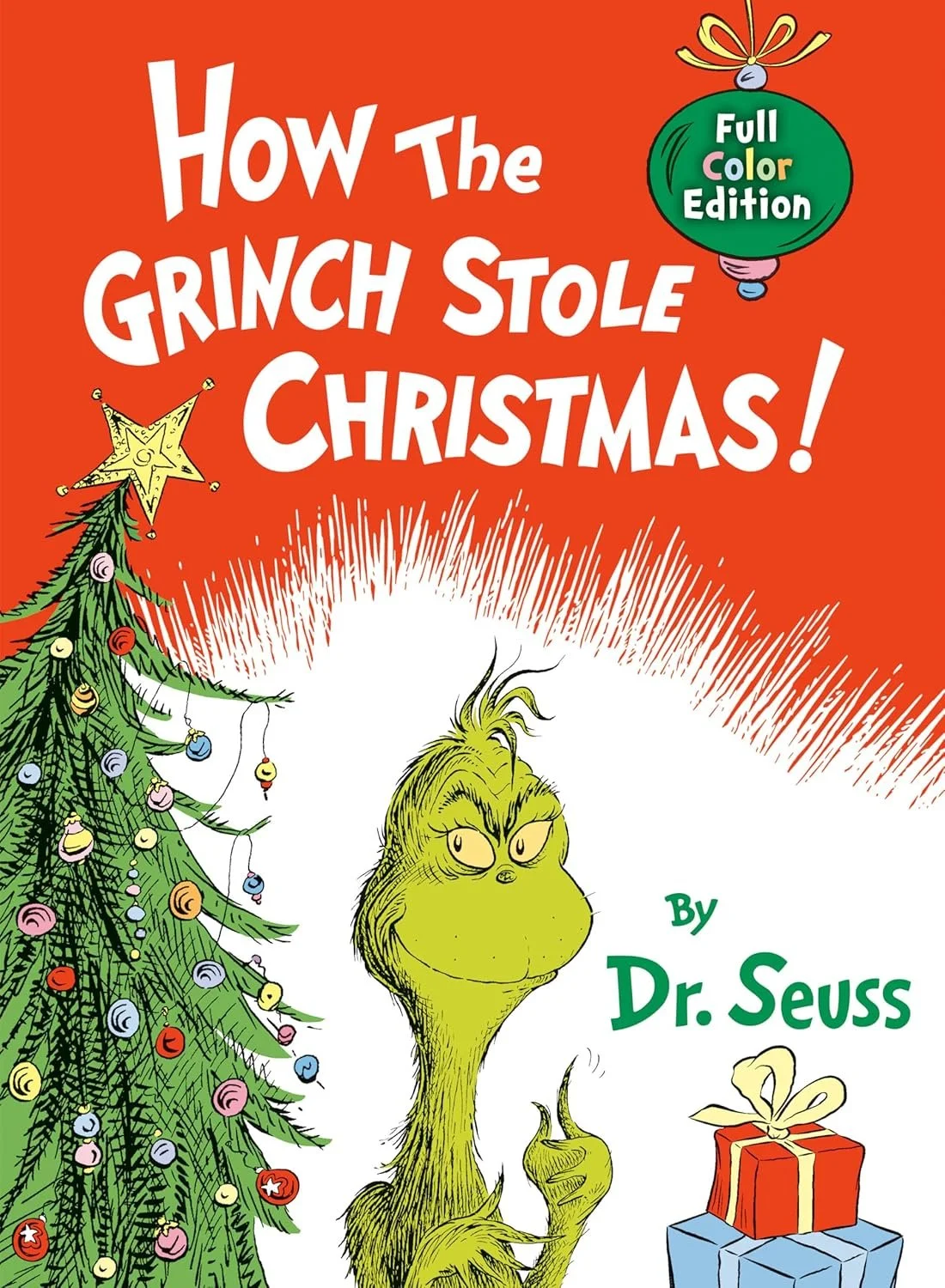
How the Grinch Stole Christmas This book is a little bit of an oddball in this curation, because it’s not technically a book that is sung. Of course, the rhythmic literary style of Seuss is indeed musical, but I selected this more because of the iconic music that sprung from it in the 1966 animated TV special. The composer Albert Hague actually worked with Dr. Seuss on the soundtrack of it and I think that once you know the music, this becomes a quintessential musical book! A funny side story is that my oldest was reciting this book during labor of my third child, to impress the midwife I think, and I will forever love this book and think of that day! “You’re a mean one Mr. Grinch!” :)
Musical Hanukkah Books
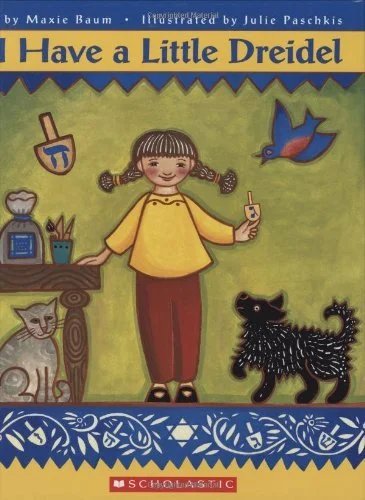
I Have a Little Dreidel Of all the books in this section, this one is my favorite, and a little bit harder to come by! I absolutely love the gorgeous illustrations and the family scenes of playing with the dreidel, playing the piano and making music. It highlights such wholesome family fun and connection and all in such a beautiful way. The lyrics are the traditional song “I Have a Little Dreidel,” and the easy melody makes it so that children learn this very quickly. I stamp this an instant classic!
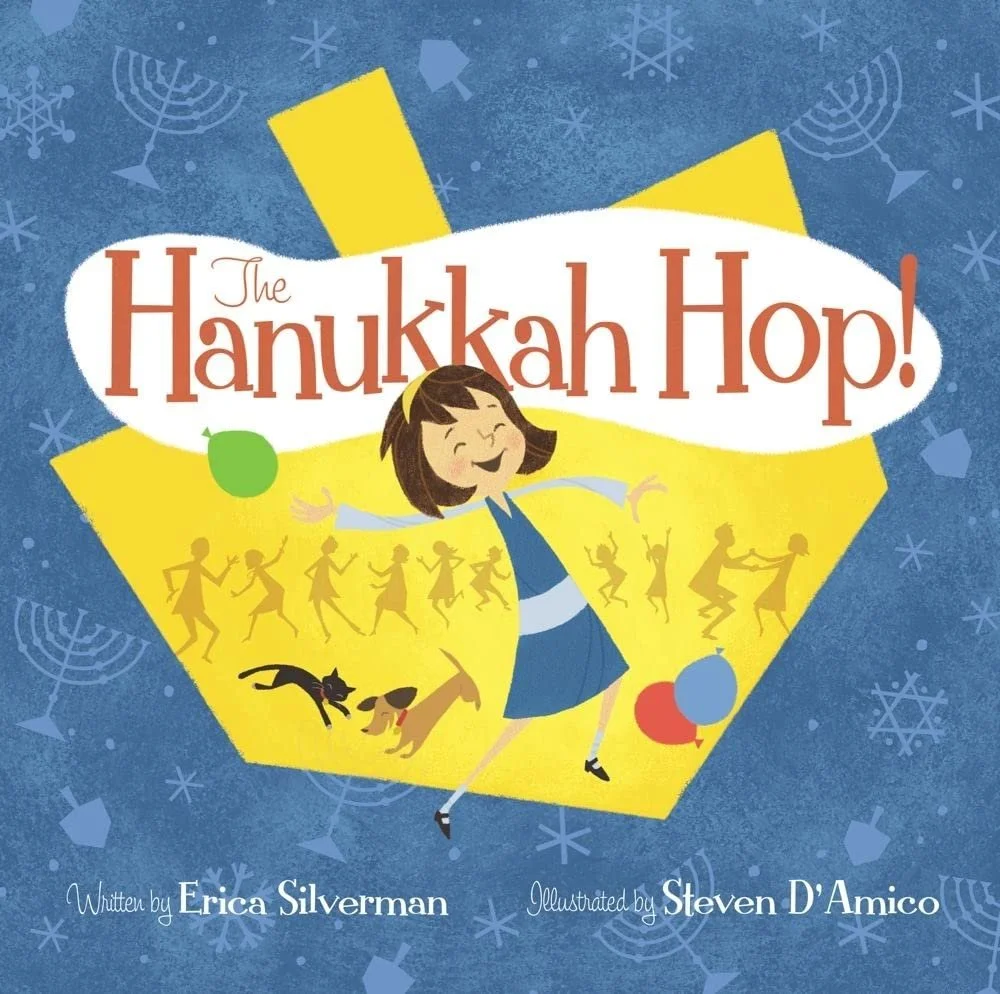
The Hanukkah Hop I asked some friends about their favorite musical Hanukkah books and a few came back recommending this one! After I checked out the book I have to agree that this is a special little book and my friends did not lead me astray. The illustrations are almost 50’s in style and it’s written in this jazzy rhyming style, “biddy-biddy bim-bom bop,” while Rachel’s family prepares for their Hanukkah celebration. It’s a truly joyous book and I love that it also features a piano in the home!
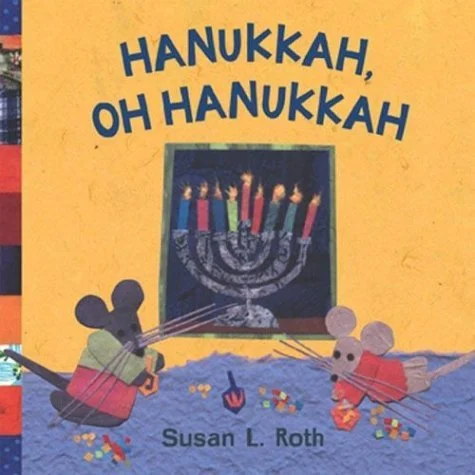
Hanukkah, Oh Hanukkah In my determination to find special and unique books, I came across this book and it caught my attention right away! It uses the words from the traditional song, “Hanukkah, Oh Hanukkah,” and depicts a family of mice celebrating the 8 days of Hanukkah. What is truly special is Susan Roth’s mixed-media collage illustrations. This book is a little understated gem and I hope you are able to score a copy, as it seems to be hard to find. What a perfect book to sing with your young children!
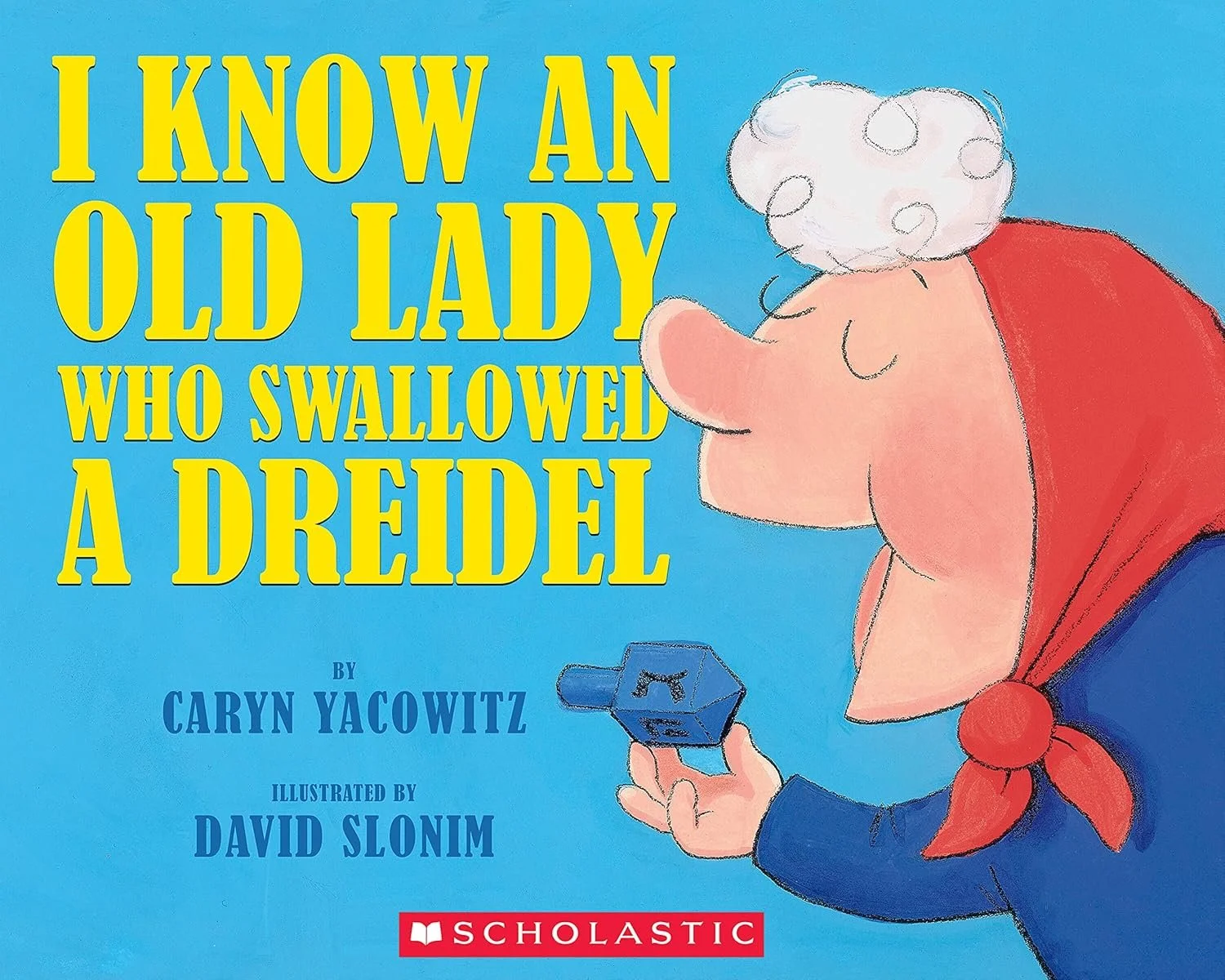
I Know an Old Lady Who Swallowed a Dreidel This is a spin off of the traditional song “I Know an Old Lady Who Swallowed a Fly,” and like the original, this version is hilarious. I wager your young children will absolutely love the sillieness and be singing along in no time. The rhyming is off the meters good! My kids actually laughed out loud at the end of this one, so I can assure you it has a happy ending! This book is not only hilarious but incredibly clever! The illustrations are hilarious parodies of famous works of arts, so in true Magical Music Method fashion, this book ticks all the boxes: music, art, humor, and wholesome silliness.
Winter Themed Musical Books
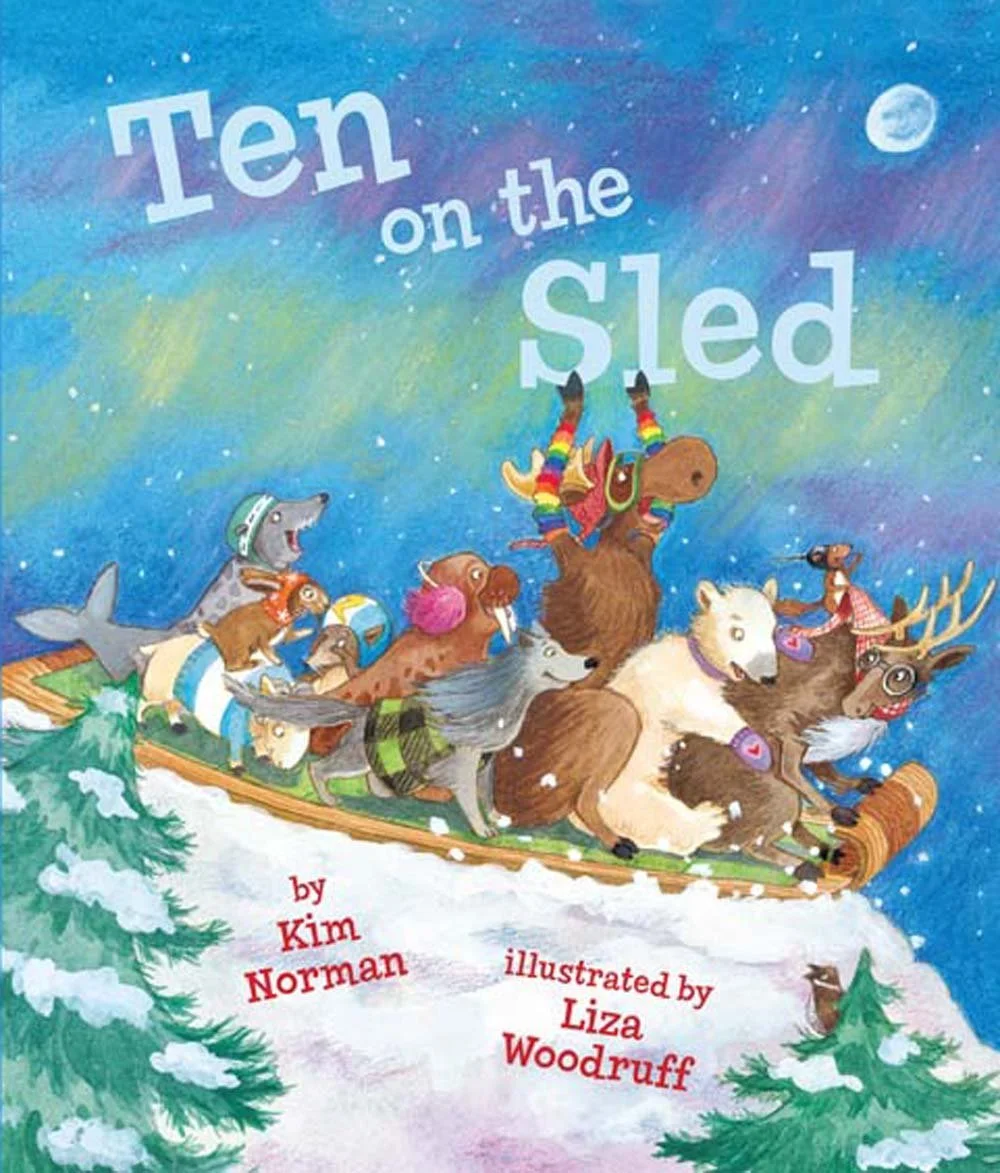
Ten on the Sled This is one of my absolute favorite books to sing! All of my kids love the song “10 on the Bed", which is a song/book I highlighted in Part 1 of my musical book series. It’s a wonderful song that is easy to sing and teaches counting to young children within a story. This version has clever rhyming and the animals are falling off the sled. So much fun to sing!
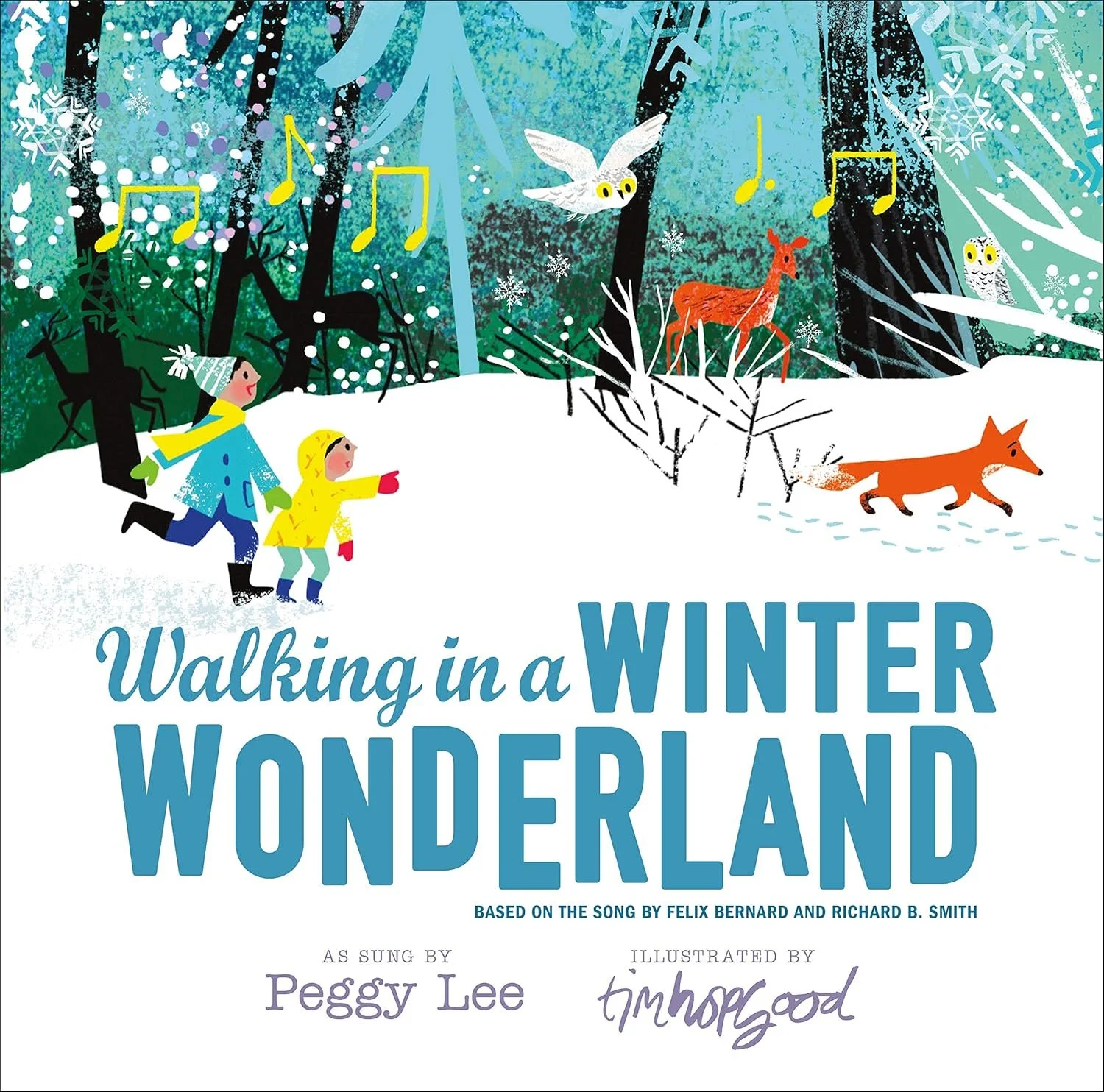
Walking in a Winter Wonderland This is such a holiday standard and so fun to sing. The illustrations are really modern and colorful by Tim Hopgood and I have come to really love his unique and bold style of illustration. I have quite a few of his songbooks and really like them all! Children will enjoy singing the song while flipping through the pages.
Carol Song Books
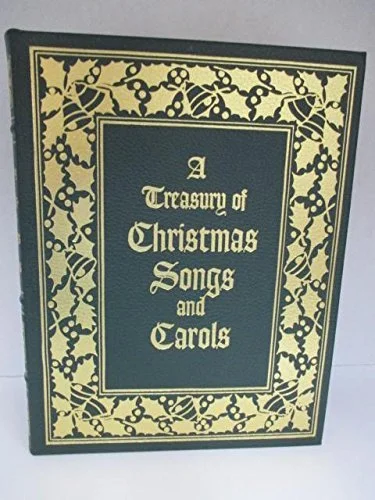
A Treasury of Christmas Carols I have had this book as long as I can remember! It is the most comprehensive carol book that I know of. There are carols from all over the world, and some I have never heard sung live before. It’s an Easton Press leather bound carol book of dreams and if you dream of having a carol party with friends and family, this book will have it all.
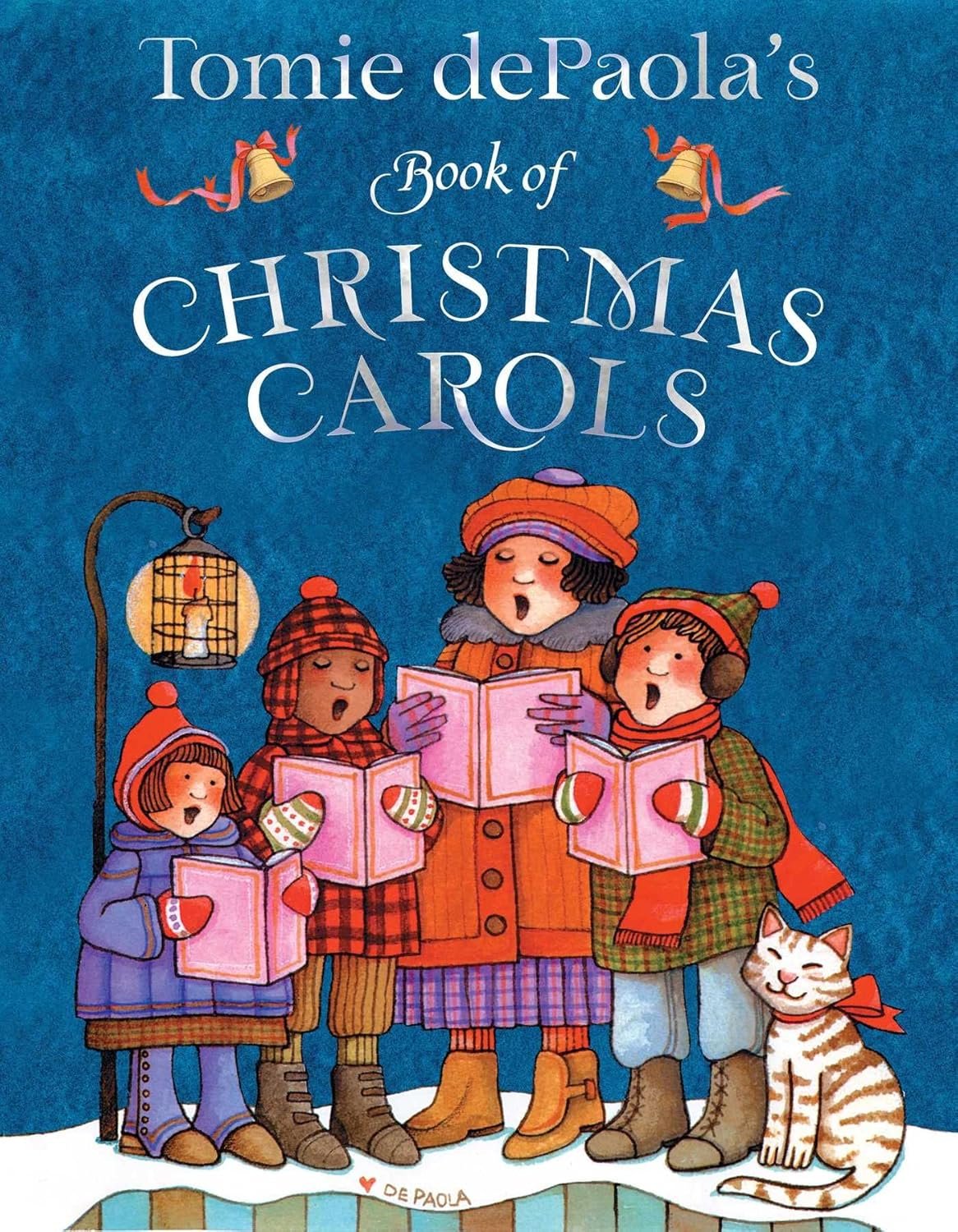
Book of Christmas Carols This is a Tomie dePaola illustrated carol book and it is has quite a few popular carols with gorgeous illustrations. I love this book because my boys like to look at the pictures next to me while I play carols on the piano. Highly recommend it if you love singing carols!
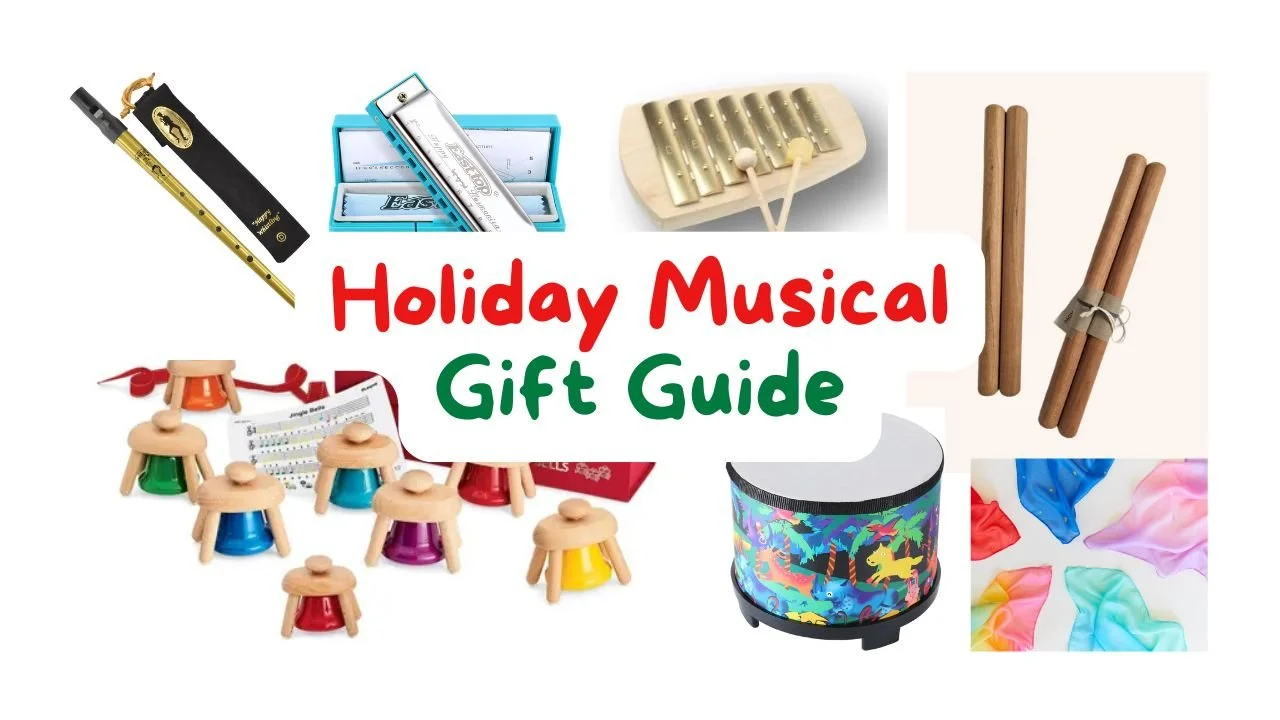
Holiday Musical Gift Guide for Young Children
This post contains affiliate links. If you purchase through them, I may receive a small commission - at no extra cost to you. Thank you for supporting my work!
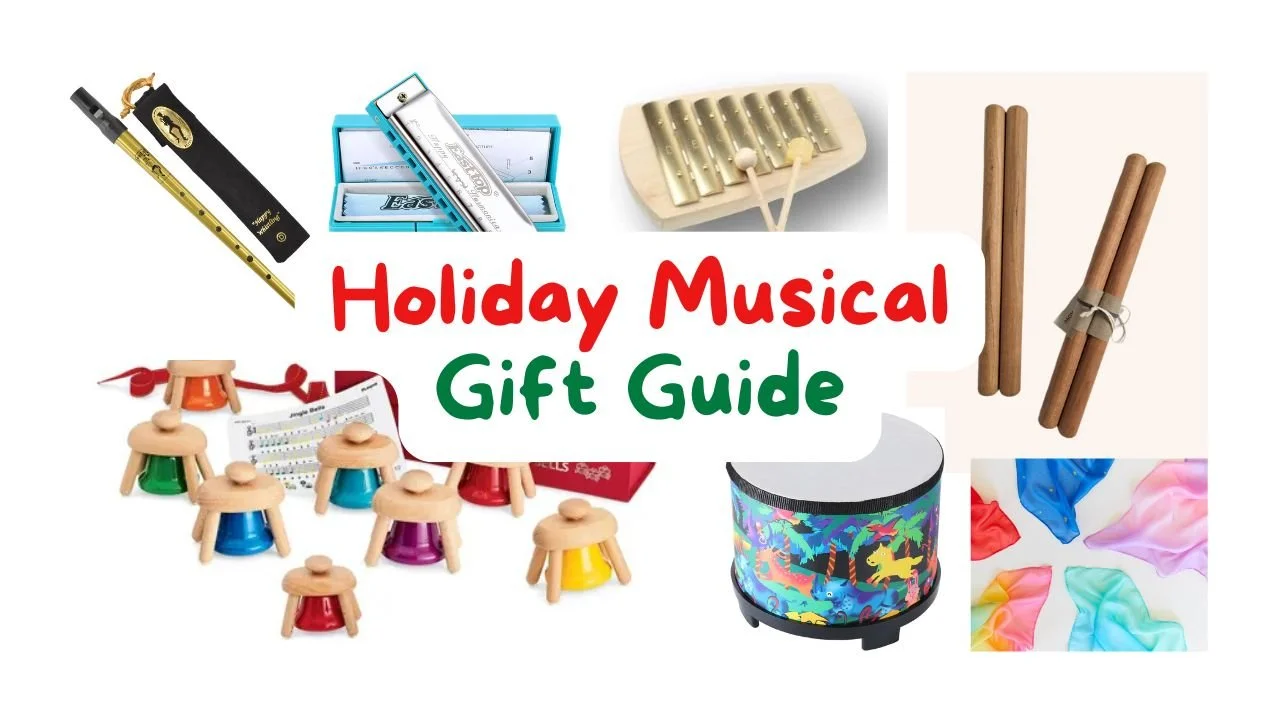
There was a time when Christmas gifts sounded like tin whistles, little drums, and the joyful racket of children making real music in the living room. Wether you celebrate Christmas, Hanukkah, Kwanzaa or the Yuletide, collectively we know that the holiday season has a way of encouraging over consumption and the gifting of low quality toys that often break before New Year’s. Companies deliberately make everything sub-par now, and even more-so for kids. This idea that children aren’t careful enough and are not deserving enough of quality and beauty is a malicious one that fills the landfill, creates waste and makes it so that nothing will ever be passed down again. I do not stand behind this ethos and I hope that if you are of a similar mind, you will enjoy this gift guide. Because young children do deserve quality and beauty.
I wanted to create a musical holiday gift guide that isn’t a pile of plastic clutter destined for the landfill, but instead a collection of well-made, great-sounding, long-lasting instruments suited for young children (baby- ages 7+). So many musical toys marketed toward children are, put bluntly, pure garbage. They often don’t produce accurate pitches, don’t sound pleasant, and do little to nurture a child’s developing ear. In my humble opinion, it’s far better to invest in one quality instrument than a heap of cheap ones.
This guide leans into the charm of vintage Christmas gift-giving; the kind of presents children once unwrapped with wonder: tin whistles, little drums, simple instruments that invite real play, creativity, and family music-making.
Most of the items I recommend are ones I personally own, love, and have used for years… and many can be enjoyed from babyhood all the way through adulthood! :)
Gifts that Support Small Business
There is nothing more impactful than spending our dollars with small businesses, so I hope you will consider purchasing as much as possible from small businesses this holiday season. The items curated below in this section are from The Nestling Co, a small mom owned shop in Maine. Make sure to use my promo codes at checkout for the discount! :)
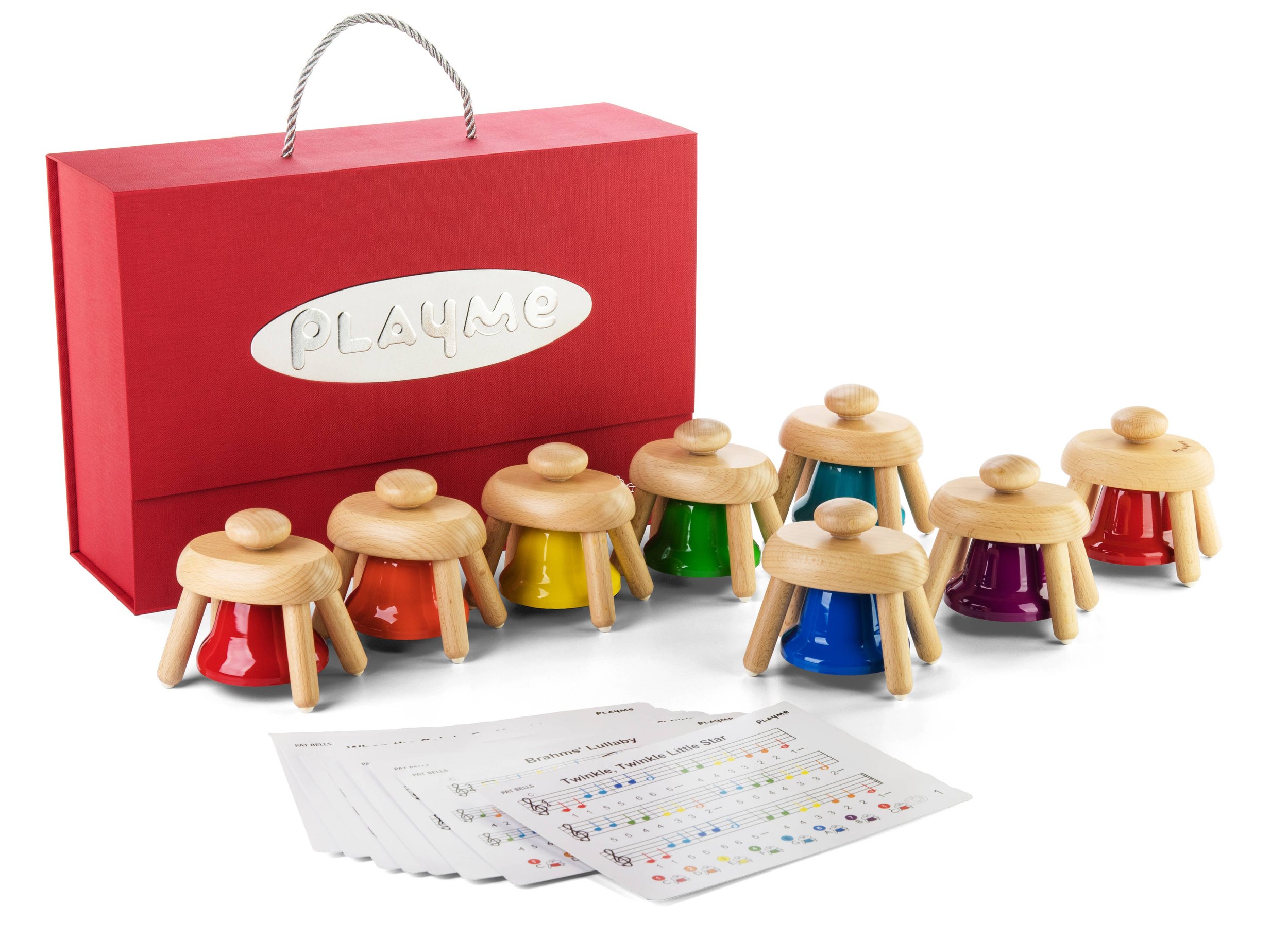
Music Bells (RE-STOCKED!)
For an heirloom show stopper gift, these music bells fit the bill! I have owned these music bells since my eldest was a baby and we use them nearly every day! The quality and sound is superb and I love how accessible this instrument is for children big and small.
Use Promo Code: magicalmusicmethod (receive $5.00 off + free shipping in USA)
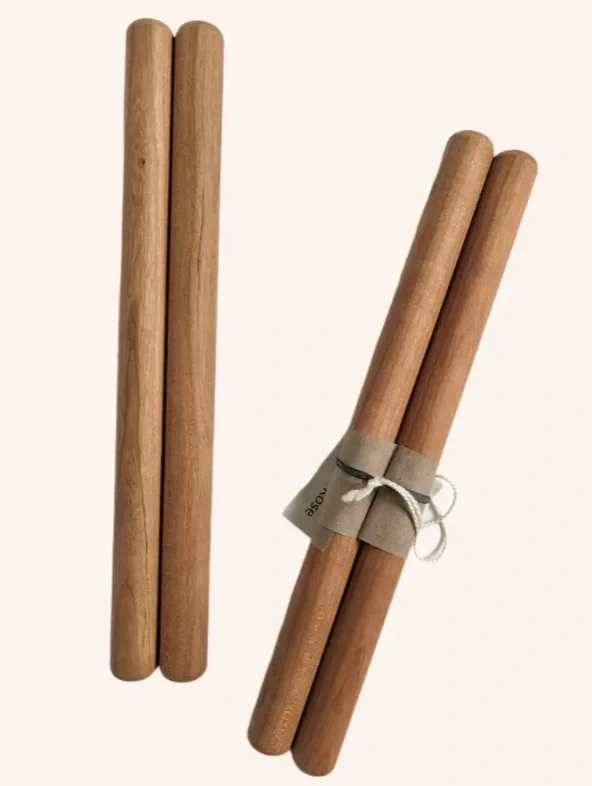
I honestly cannot think of a better stocking stuffer than these solid cherry rhythm sticks. They feel wonderful in the hand and provide endless opportunities for rhythm play and exploration. You use them with very young children to learn to “feel the beat” when listening to music by tapping along, all the way up to complex rhythm call and response games. And if you follow me on social media, you know how much I talk about the skill of keeping a steady beat, is a key pre-literacy skill!
Use Promo Code: MAGICAL10 (receive 10% off)
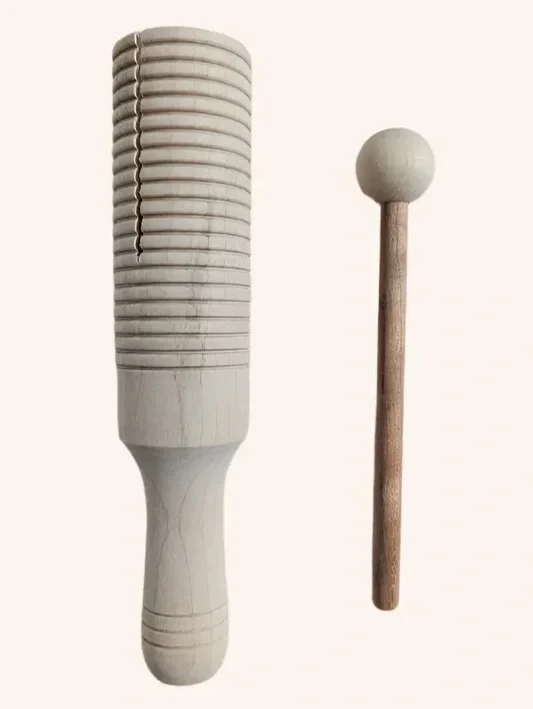
Guiro rhythm instruments provide a wonderful opportunity to experience the scraping sound so often heard in Latin American music. Children really love experiencing the scraping sound and this instrument provides a lot of open ended musical play possibilities! This is crafted from beautiful maple wood with a cherry wood mallet.
Use Promo Code: MAGICAL10 (receive 10% off)
Amazon Gift Curation
Buying from small businesses will always be the best choice, but I know that Amazon has many options that are hard to find elsewhere and also that many small businesses do sell on Amazon, so I have selected a few items that I truly love and think would make for wonderful holiday gifts!
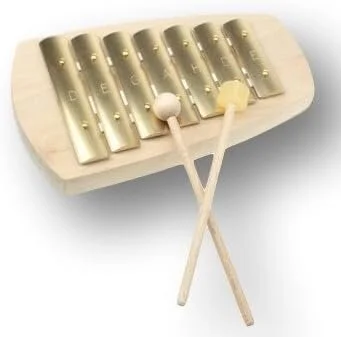
This glockenspiel is made in Sweden of brass and wood and the sound is really stellar! The pentatonic scale is very pleasing for children to play with because they create so many melodies that naturally sound good. This is a high quality instrument and would be a perfect gift for your creative budding young musician!
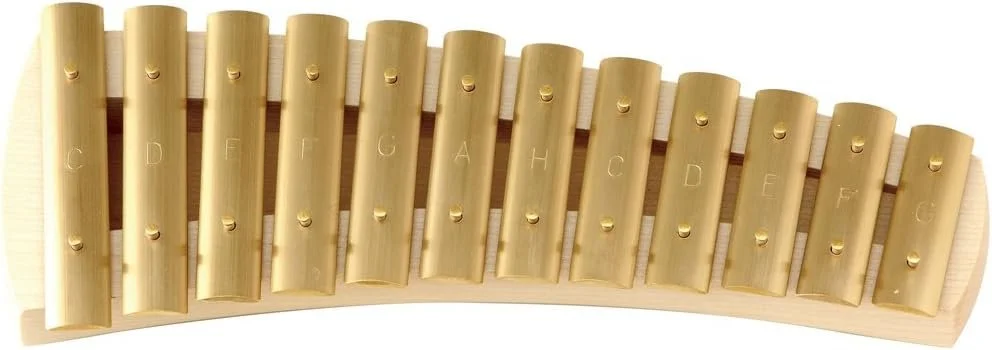
The same brand of glockenspiel as the one above, but with the whole major scale! This creates a world of musical possibilities and to be able to play many songs!
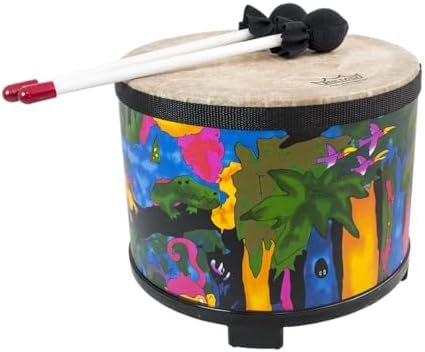
I think drums are truly one of the funnest instruments for little kids and I think the quality of these drums are really fantastic! They have such a good sound and we have a few of these at our co-op that have been used vigorously and they are still standing! And what is more vintage nostalgic Christmas vibes, than a drum under the tree on Christmas morning?
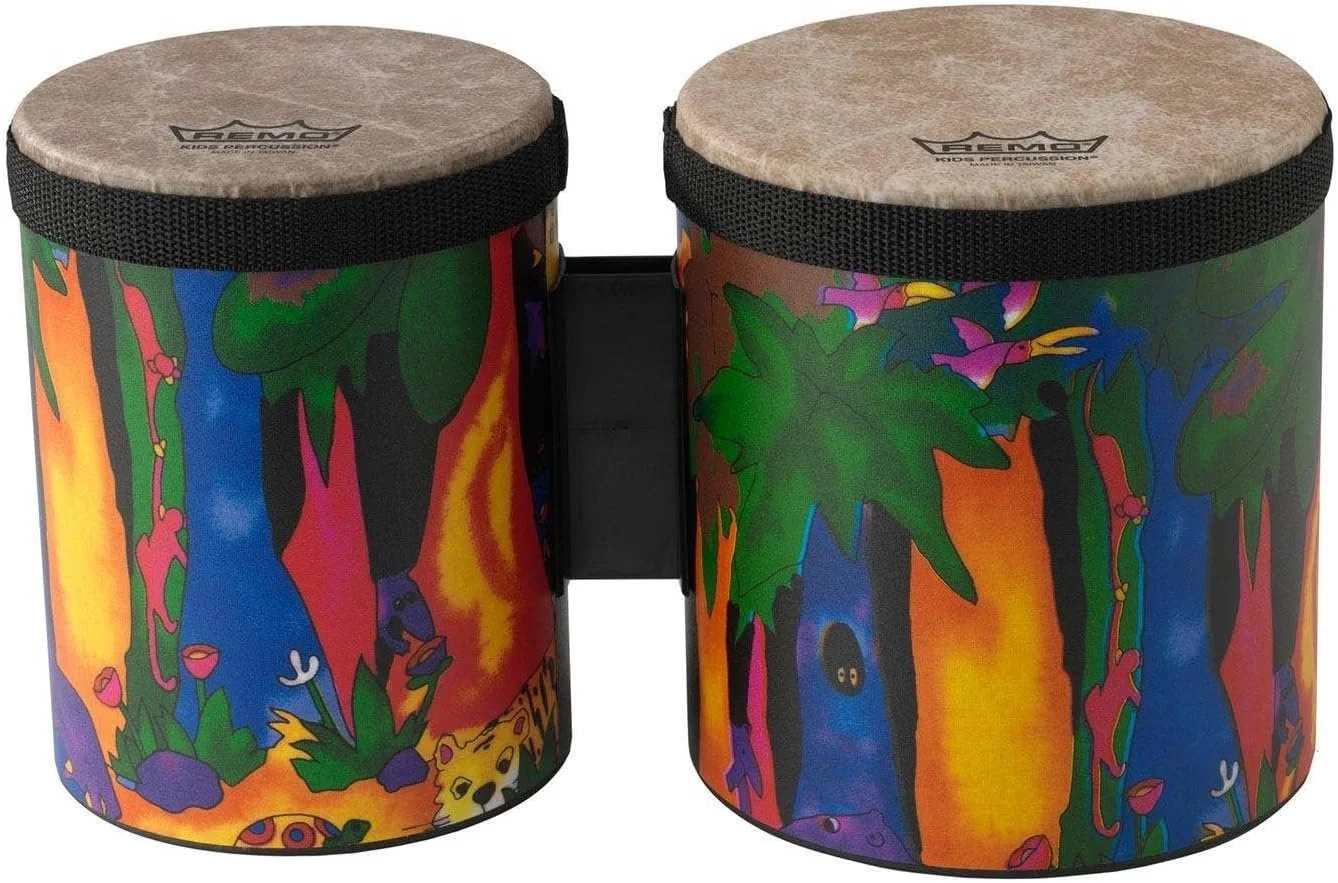
So I do not have these drums (yet), but they are on my Christmas purchase list! I love Remo drums - they are high quality, almost professional grade drums, with a wonderful sound! And Bongo drums are just plain old super fun! I probably watched too much “I Love Lucy” as a teen and want my children to play some ‘Babalú’ on the bongos! :D
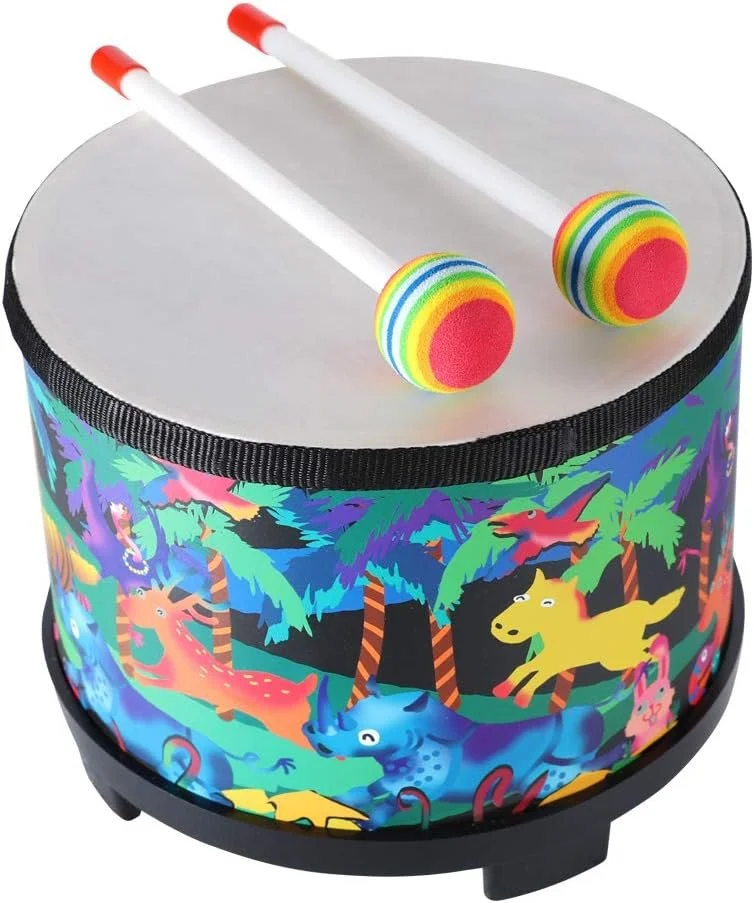
This drum has a good sound for it’s great price! It’s not as quite as resonant and rich sounding as the Remo drums, but for the price point it’s a very solid drum and will be a hit under the Christmas tree! Ba-dum-ch (music pun LOL)!
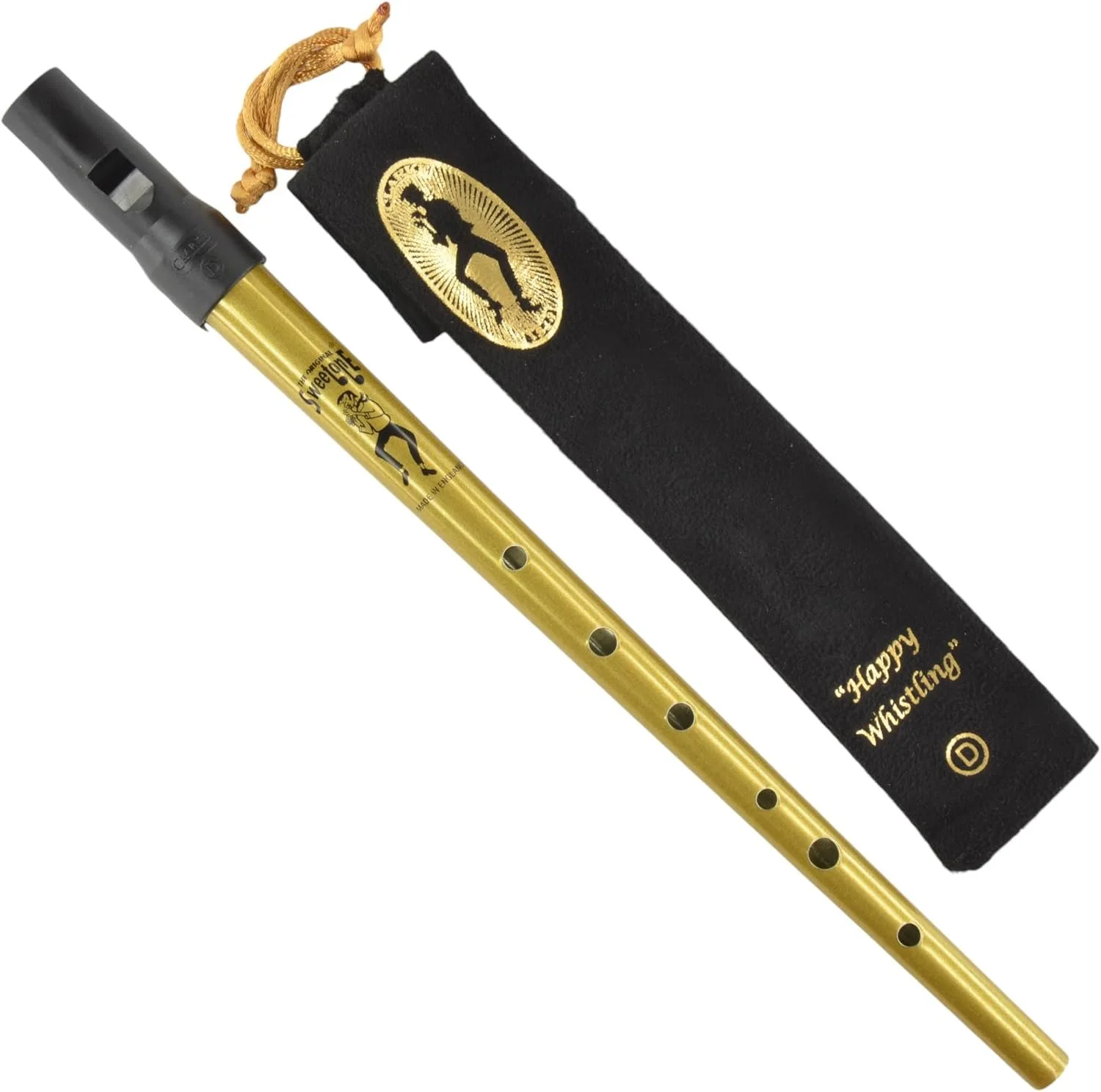
Keeping with the vintage Christmas vibes, a tin whistle tucked into a stocking is just as wholesome as it gets. I am biased because of my Irish background, so I love the tin whistle. I have really vivid memories of picking up my first tin whistle during a summer in Ireland as a young girl and playing the feadóg (as we call it in Irish) on all the long car rides through the countryside. Some younger kids may not have the finger dexterity to cover the holes properly so it is best suited for 5+ or younger if the finger control is there. 10/10 for fun!
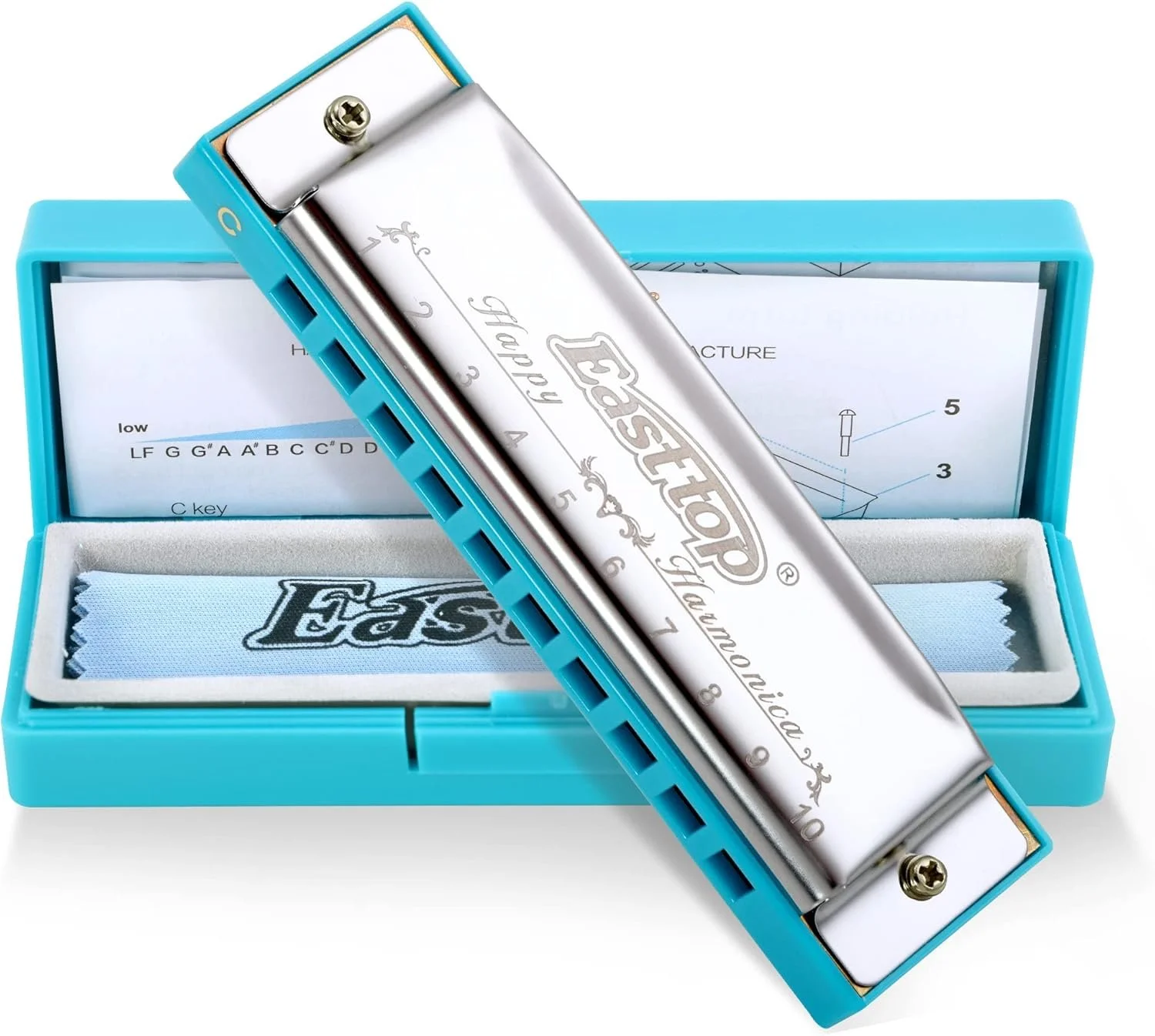
There was this viral reel on IG where the caption read, instead of handing your kid an iPad, give them a harmonica. Because the truth is, if our kids are not constantly distracted and their attention hijacked, they will truly start to noodle and get curious. Harmonicas are a noodlers dream! The sound is fun, the sensory input on the mouth is fun and kids find it satisfying to play. This harmonica is such a great little starter one for kids and it’s just another perfect stocking stuffer! More vintage Christmas vibes!
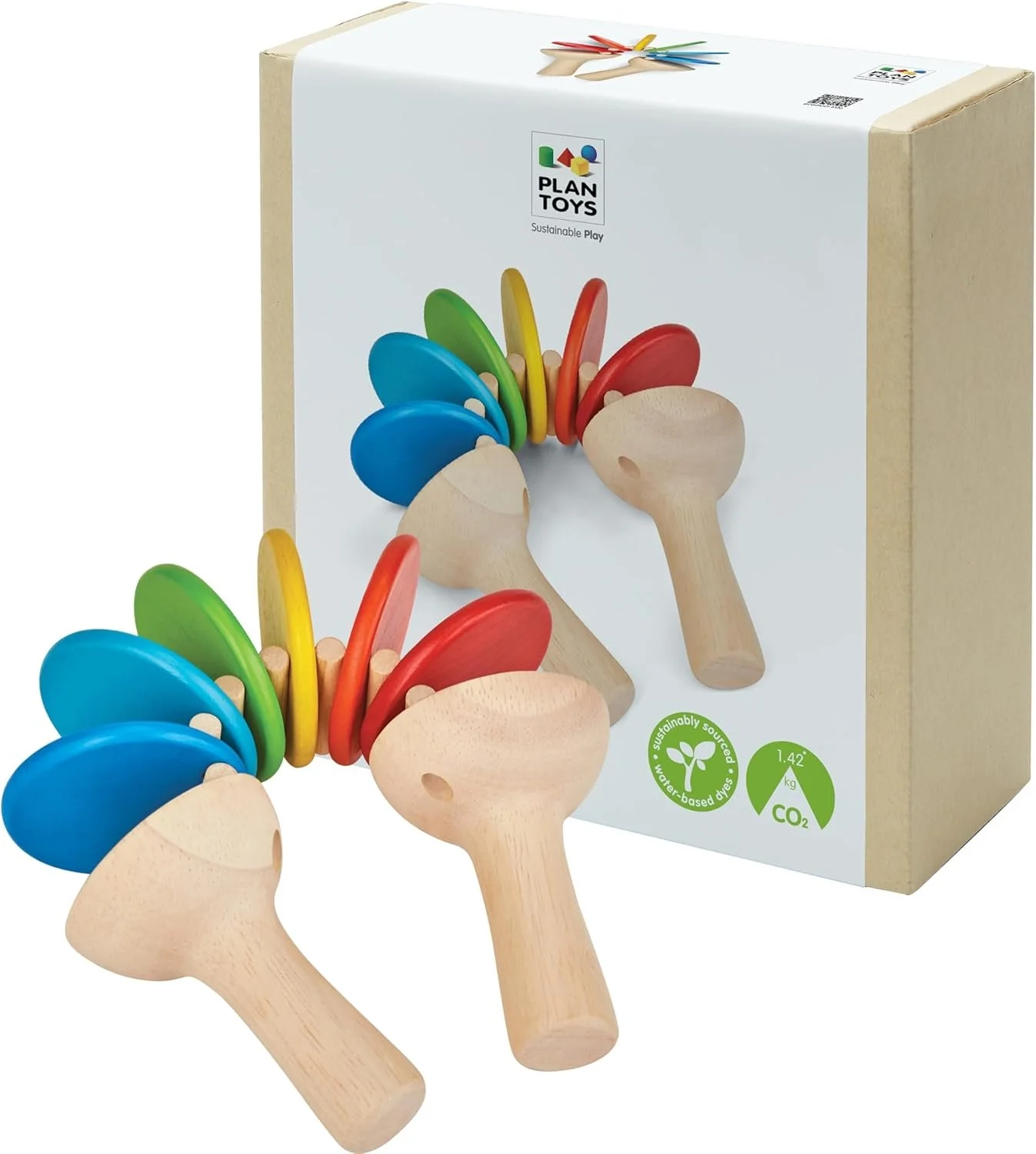
Okay there really is no way to understand how fun and satisfying this little instrument is from the picture, but trust me when I tell you that this is always one of the most coveted musical toys during instrument play at our co-op’s music class. I love the sound of this and hugely recommend as a great baby music toy that will still be used into toddlerhood and beyond. I even love playing it! I really like the other music instruments this company makes too - they’re durable, sustainable and high quality!
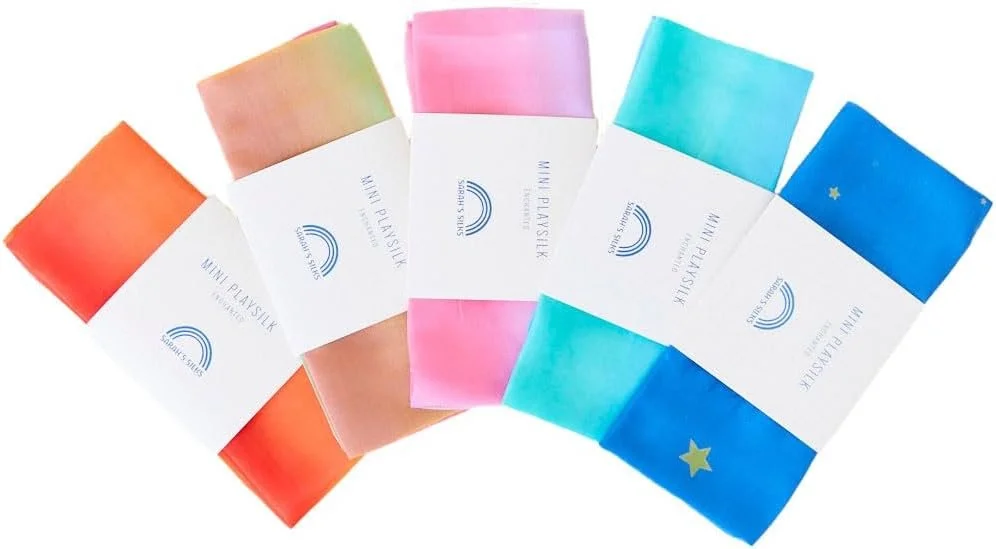
You might not have thought of play silks as musical, but I actually love using them for musical activities. Play silks give children a wonderful way to express music they are hearing through movement and dance. It’s often the simplest things that are sometimes the most brilliant.
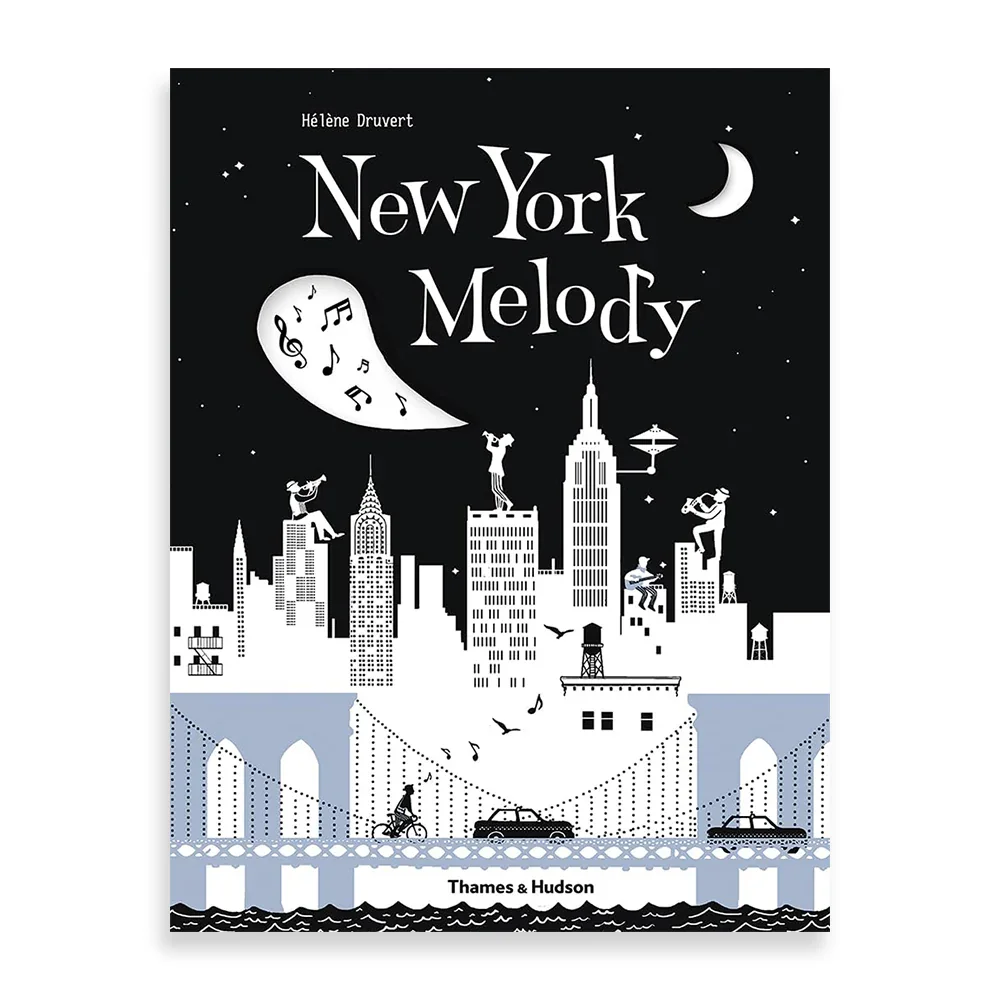
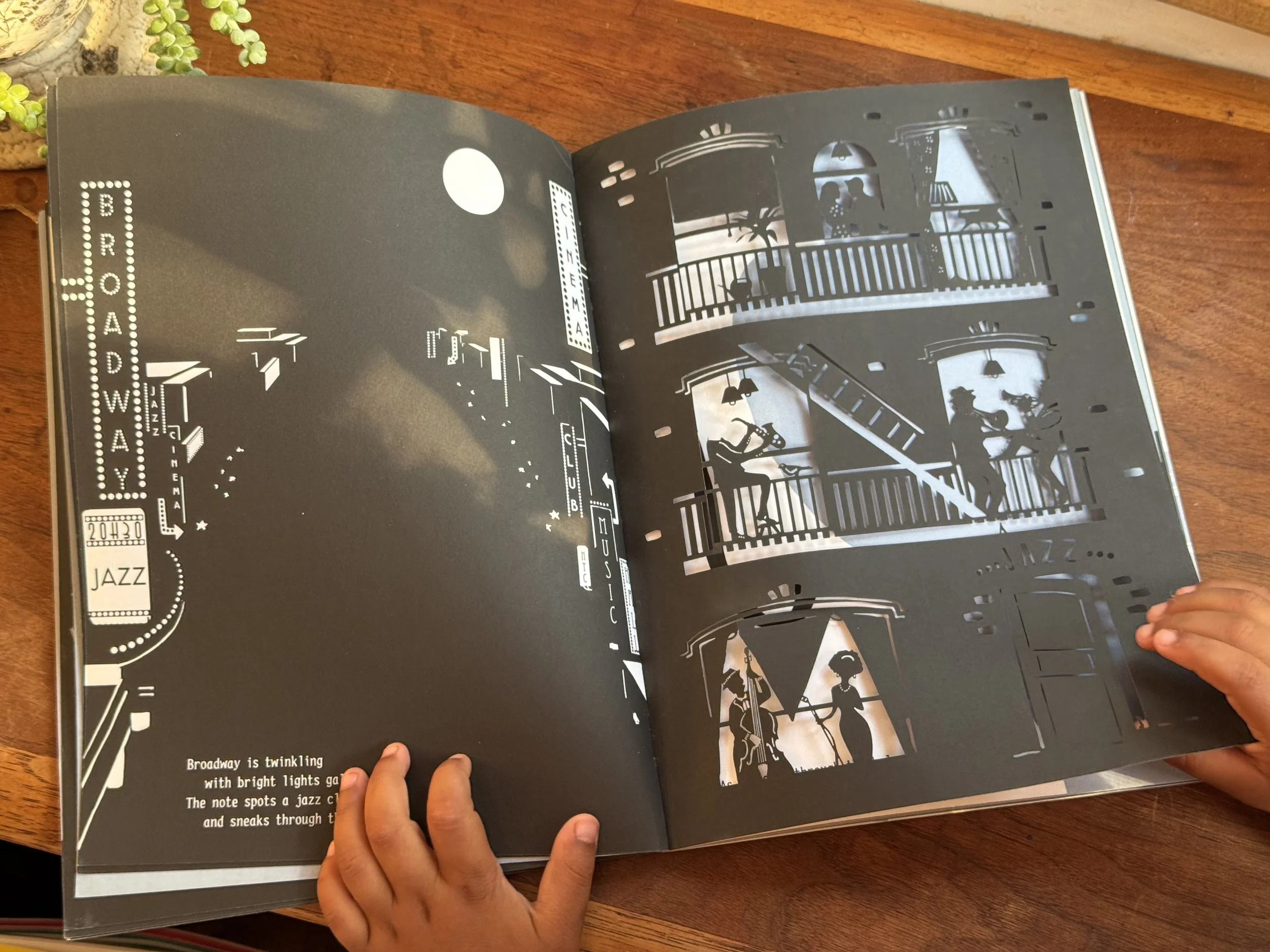
I featured this lovely little book recently on my IG post about Jazz music. It would make a lovely gift for your budding Jazz listener!
For more musical books recommendations check out my musical book series below:
Magical Music Method
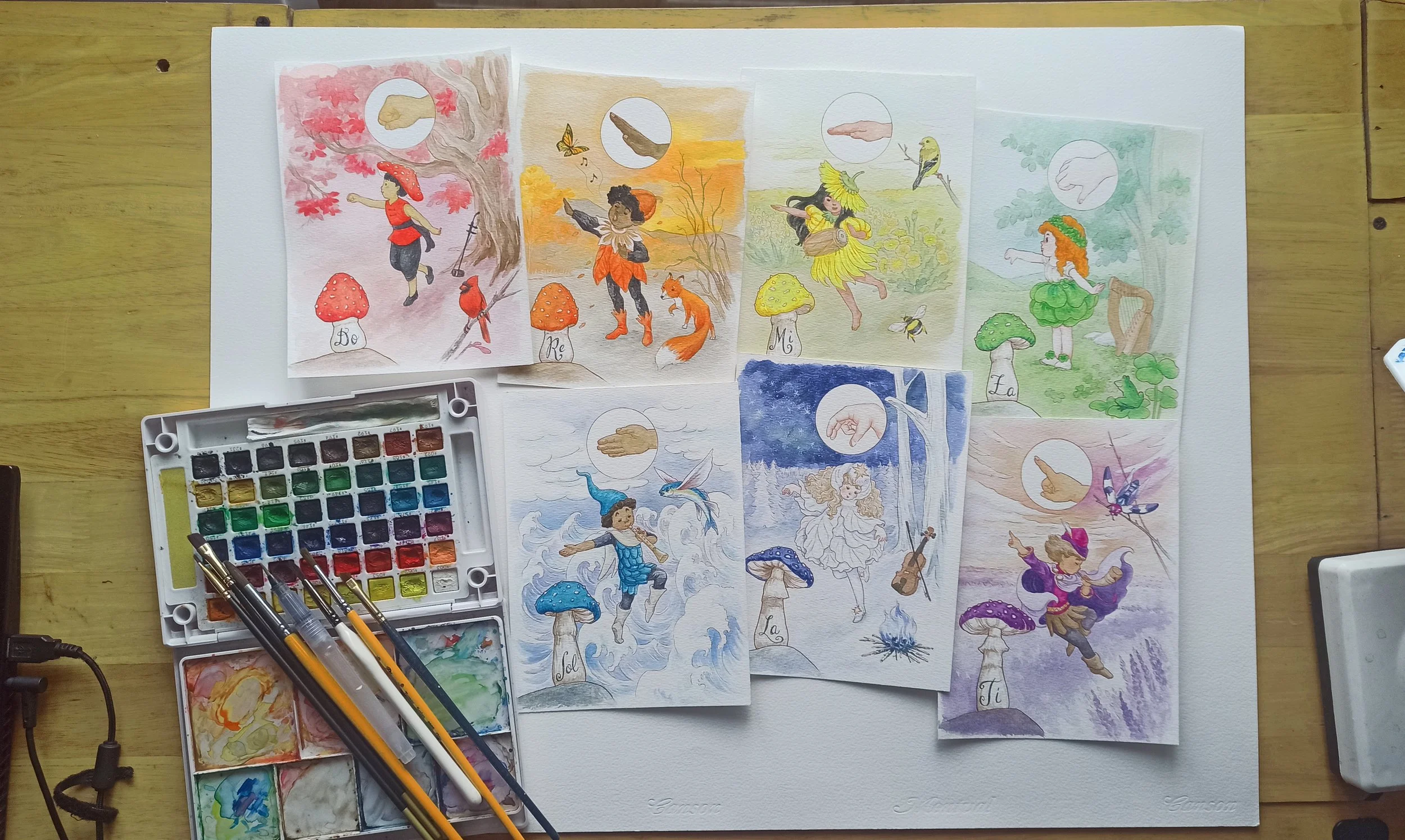
Join the full Magical Music Method lifetime membership and learn everything to enable you to teach the language of music to your young child and harness the most advantageous years of brain development for musicality, creativity and all learning!
Email Subscribers Enjoy 10% off
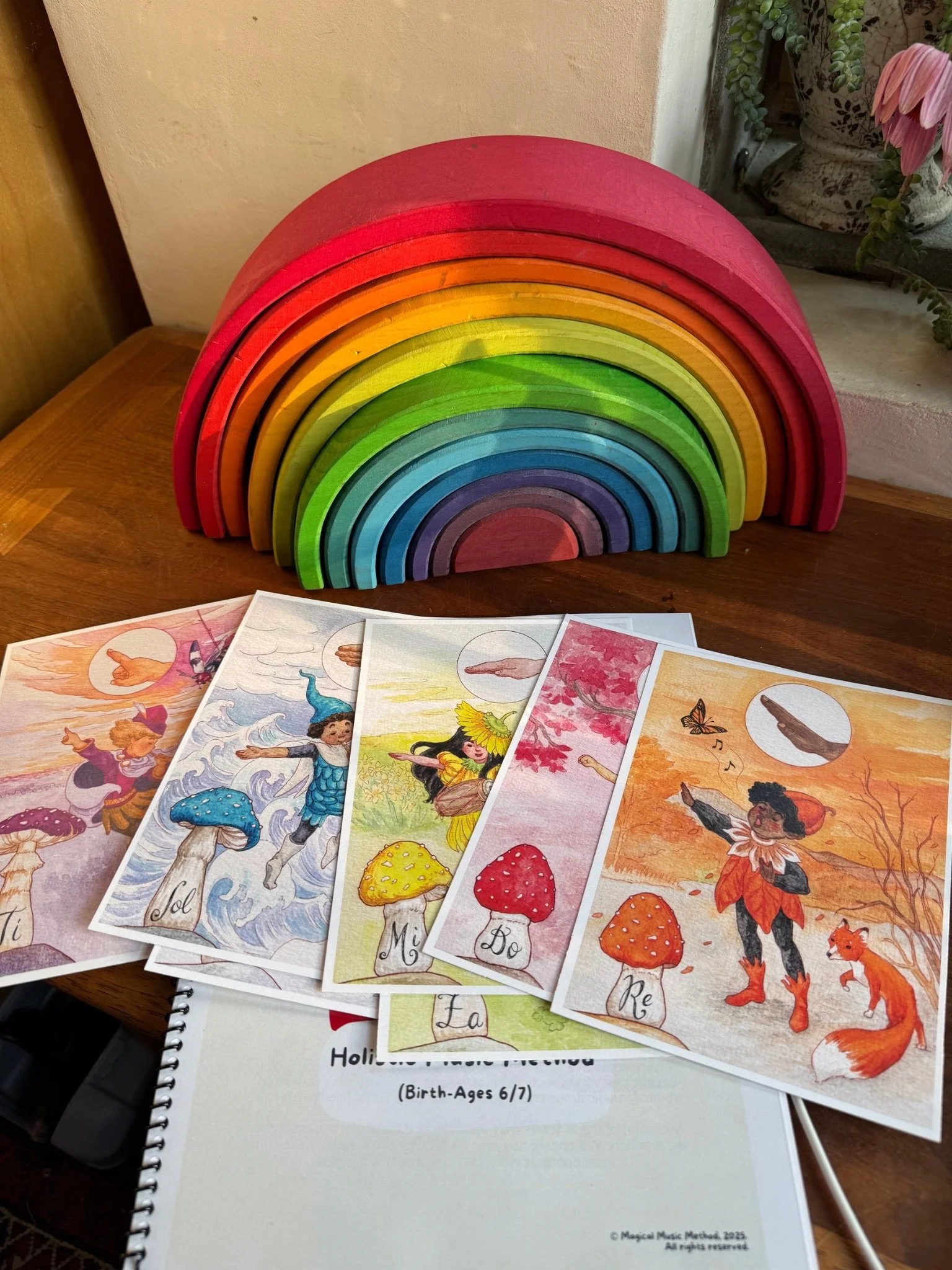
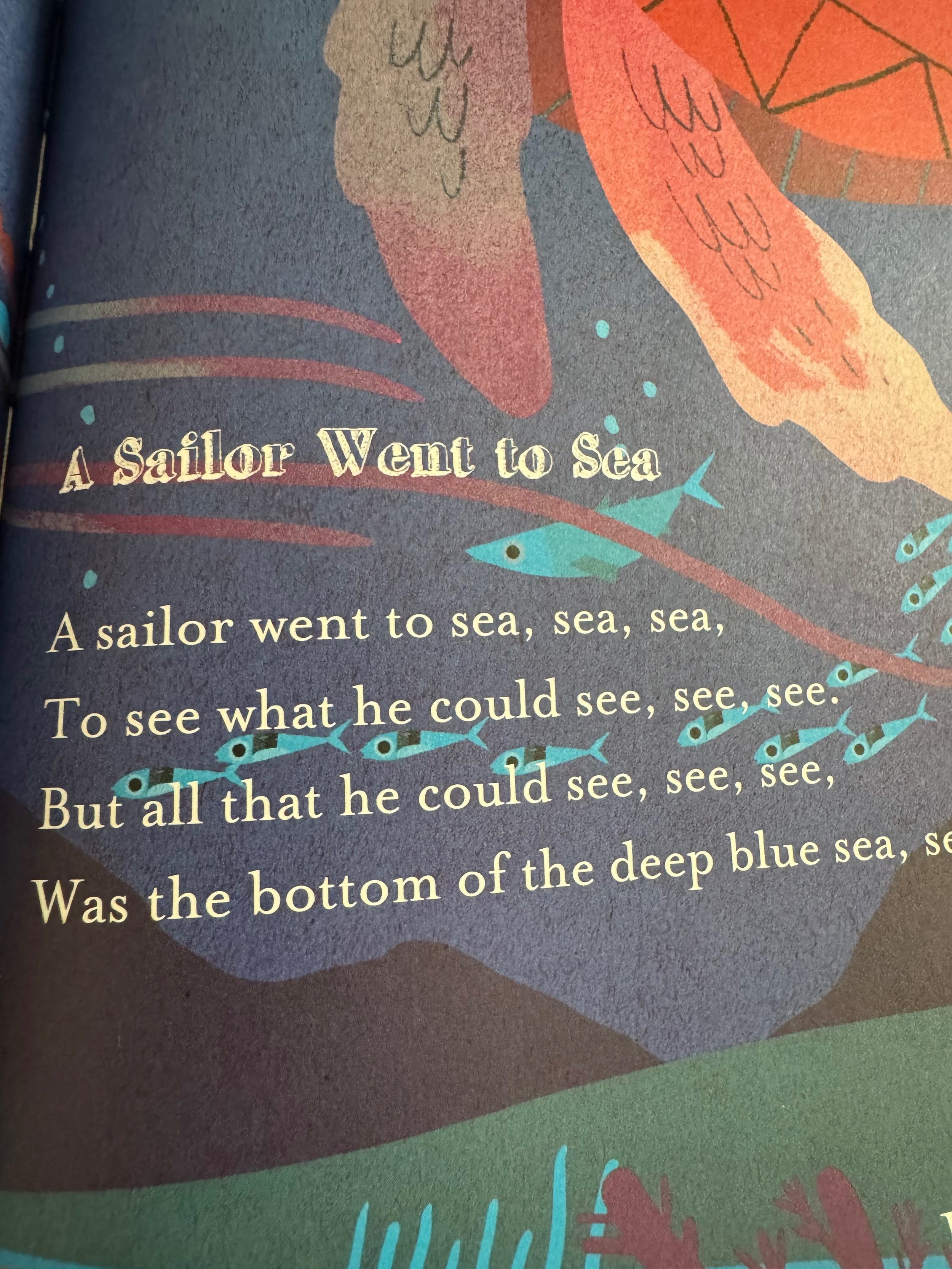
The digital story card bundle and/or the mini-lessons are perfect for anyone unable to jump into the full membership, but would like to experience a little Magical Music Method!
Entering this holiday season, I am extending my deep gratitude to everyone who joined Magical Music Method, who shared my work and offered me words of encouragement. I have been blown away by the kindness of strangers who take the time to write me thoughtful messages and who happily support and share my work. Thank you!
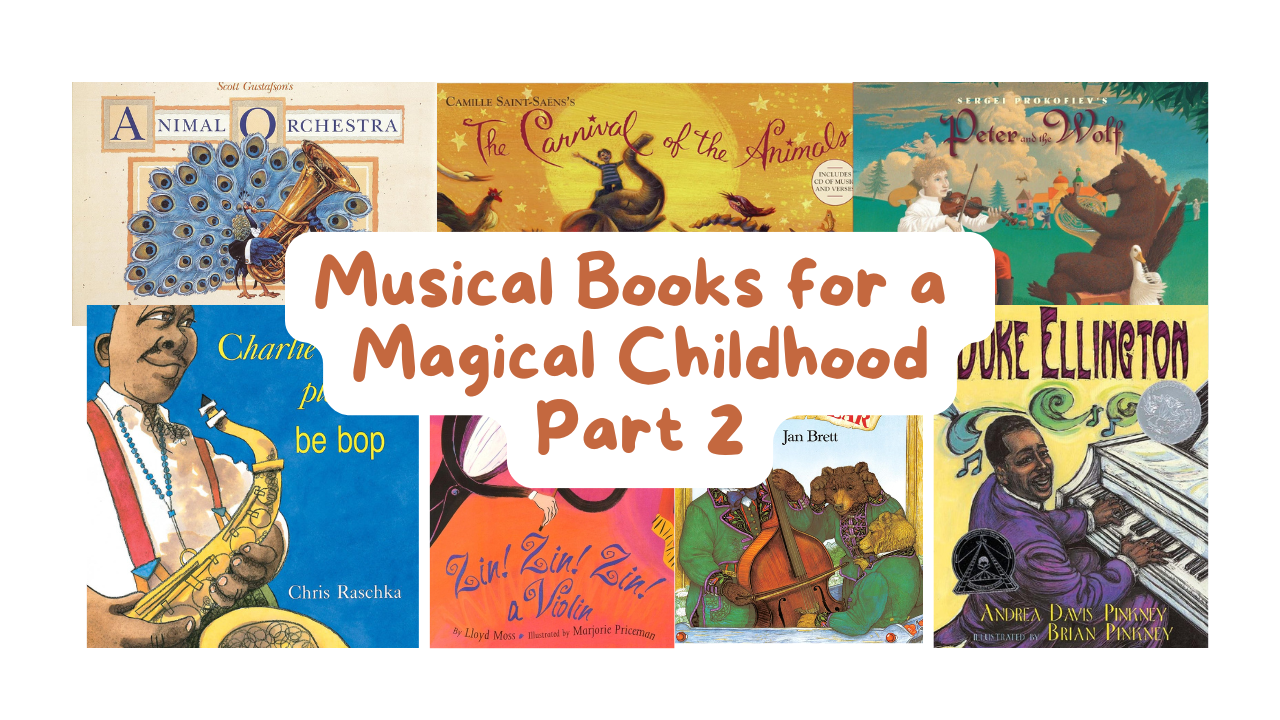
Classical and Jazz Musical Books for a Magical Childhood
This post contains affiliate links. If you purchase through them, I may receive a small commission - at no extra cost to you. Thank you for supporting my work!
A couple of weeks ago myself and my husband brought our three young children to the MET in NYC on a random Saturday afternoon. We didn’t have any set plan or expectations, but rather just thought it would be a nice way to spend an afternoon. Funnily enough, it’s not a very common sight to see families with young children walking around the MET. I suppose to some people it seems like a strange idea to bring young kids somewhere they “won’t really understand” or “truly appreciate.”
But in my view- that’s the whole point. If we don’t bring our children to see masterpieces of art or listen to beautiful works of music, how will they learn to appreciate and love beauty? We have severely underestimated how deeply intelligent children are, and how much they absorb. For some reason, we assume that if a child can’t verbally articulate what they’re see or hearing, then it isn’t worth doing. I vehemently disagree.
This mindset is one of the reasons we see less participation in, and love for, classical and jazz music. We are not exposing children early enough to music that is truly rich, complex and intellectually nourishing. And in doing so, we’re missing a key window in time when their minds and tastes are being formed.
When I was in college, my piano professor would tell me stories of growing up in his Italian household. His parents would cook pasta and simmer sauce from scratch while drinking wine and blasting opera in the kitchen - some of his most beloved memories from his childhood.
The way he relayed these stories to me always captured my imagination. I felt I could smell the sauce cooking and the warmth, love and joy in the air from his stories. But now, in the year 2025, I often wonder: how many children will grow up with memories like that? How many will remember listening to opera, or discovering truly wondrous works of music? Will these pieces of music cease to be woven into the fabric of childhood?
I truly hope not. When my first child was born I would play “The Carnival of the Animals,” every day for him. To this day when we play this piece of music, he can identify each section by its animal.
I’ve chosen to focus on classical and jazz music for this part of my musical books series, not because I think pop or contemporary music is less than - quite the opposite - but because classical and jazz are quietly slipping out of family life. They’re no longer built into the memories formed in our homes, and that’s when musical traditions begin to die. If we don’t associate nostalgia, warmth, and affection with these genres because we heard them when we were young, it becomes much harder to cultivate true appreciation later in life.
We all have music from our childhood that we love instantly. I think again of my piano professor, whose love of opera was inseparable from the laughter and cooking of his childhood home. Those formative moments shaped him and shaped his musicianship.
So why are classical and jazz music so important? Why should we nurture a love for these forms in our children?
The best way I can explain it is through a good simile (music teachers are notorious for loving a good simile or metaphor). Music is very much like nutrition in that it feeds the mind. If we feed the body wholesome food, we feel good, healthy and strong. If we feed the mind beautiful music, our inner world becomes inspired, uplifted, joyful and creative! Classical and jazz music represent some of the highest expressions of human ingenuity, creativity, and brilliance. They are works of art! Listening to a Mozart symphony is rather similar to looking at Michelangelo’s Sistine Chapel - they both make us marvel at the beauty and creative force within us!
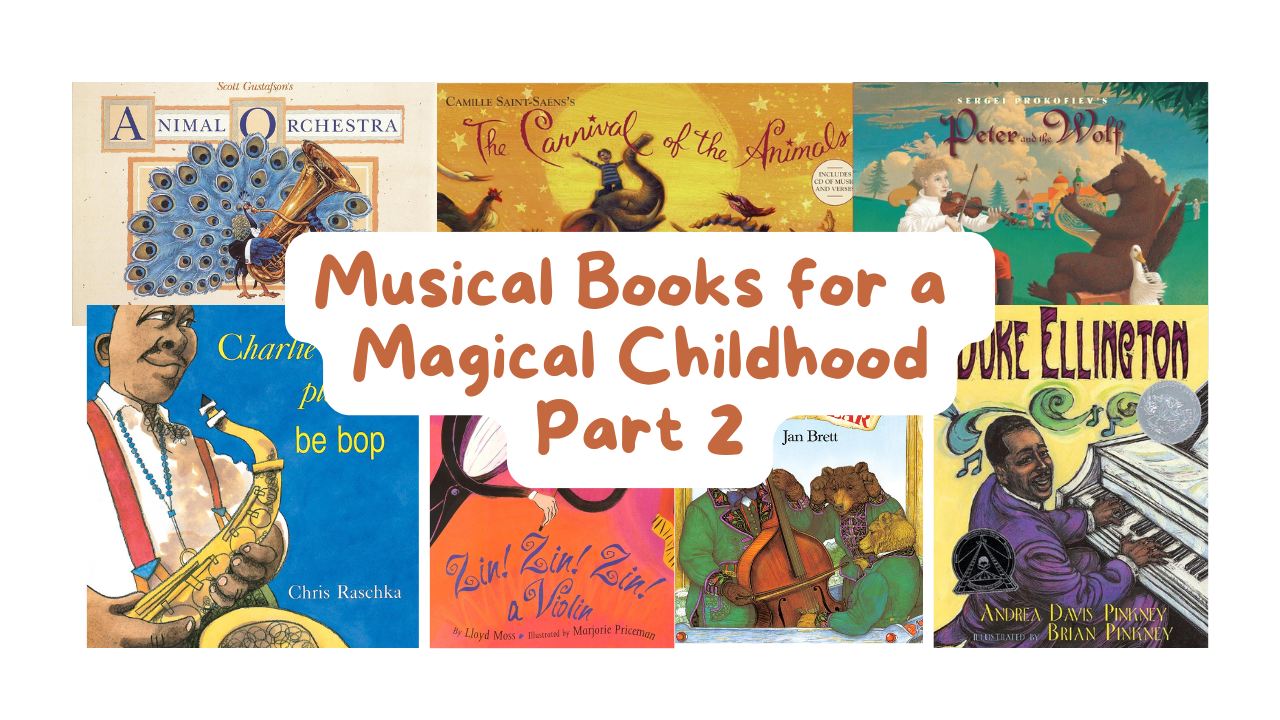
In Part 2 of this musical book series, I wanted to curate books that inspire a love of classical and jazz music, musical instruments, and musical traditions we may not encounter every day. When children grow up hearing beautiful music, they learn to love and understand it. These books are meant to spark curiosity and awareness in a child friendly way.
I hope these books help cultivate a lifelong love of classical and jazz music for your little ones - so we can build a future where adults feel inspired, uplifted, creative and joyful.
"Children need art and stories and poems and music as much as they need love and food and fresh air and play." -Phillip Pullman
Important (Please Read):
I’ve linked many of the book covers and titles below through Bookshop.org, which is a wonderful platform that supports independent bookstores! You can buy directly from local bookstores through their website, and 80% of their profit goes back to bookstores! I always aim to use my online presence to uplift businesses (especially small businesses) doing positive things. However, many of these books are hard to find on Bookshop.org so I linked through Amazon in those cases. And keep in mind, some of these books are hard to find, or out of print, so perusing second hand book websites may be a better option for the best price. I have included Amazon links at the bottom of the post. And finally, this is a BIG list of books- try your local library and see if you can check some of them out first. <3
For the Love of Music Books: Classical & Jazz
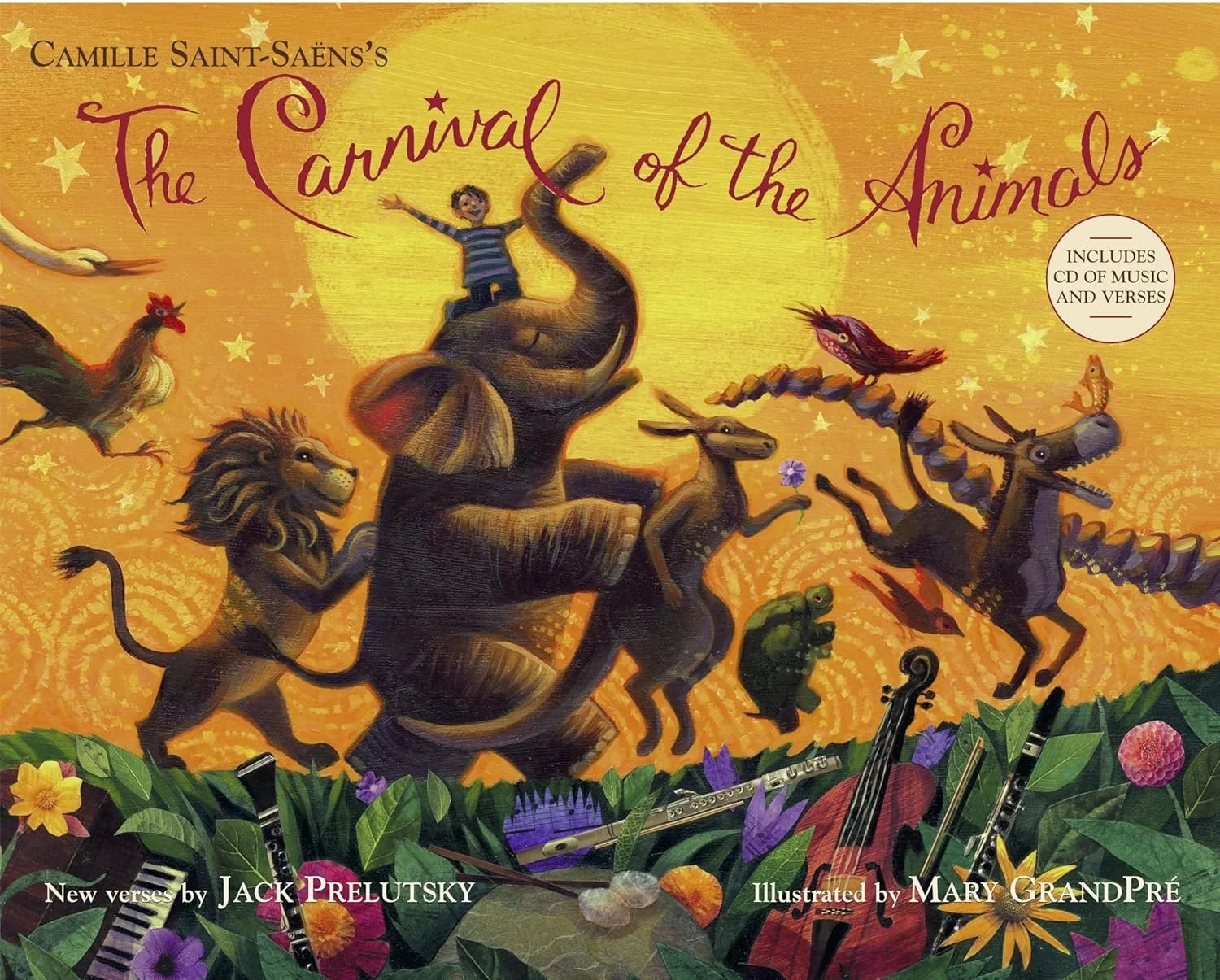
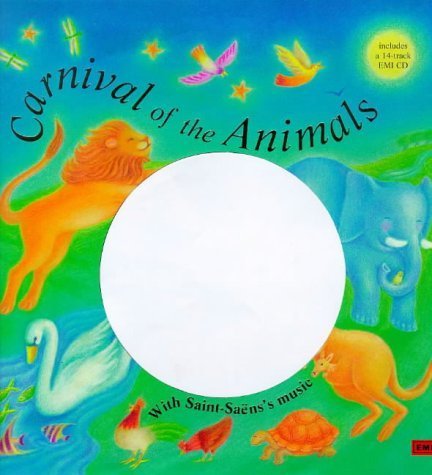
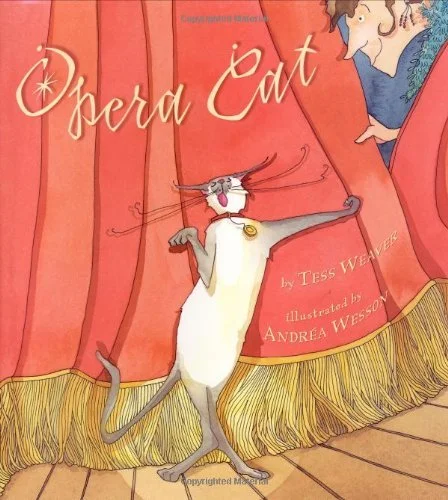
Carnival of the Animals is probably my favorite classical piece of music for children. And when I say classical, technically it is a Late Romantic piece of music, but as society generalizes most music with instruments, that has stood the test of time as classical music, I will use that term for ease. Carnival of the Animals was composed by Camille Saint-Saens and is an absolute genius masterpiece, despite him writing it as joke! When you listen to each movement you can hear the animals depicted by the instruments and music. This particular book has very rich verses written that accompany each orchestral character piece and it’s brilliant! “Welcome to our carnival, where birds and beasts and such behave a lot like people do, at time a bit too much.” And the illustrations are imaginative, unique and spellbinding. This book has been loved so much in our home that pages have been taped together carefully after one too many page turns.
Carnival of the Animals #2 I love Carnival of the Animals so much that I couldn’t narrow down to just one book and also had to include this version. This book is particularly helpful for parents new to this piece of music because it explains the instruments that you are hearing and how the instruments represent the animal. It tells you what to listen for and the illustrations are very dreamy. This book is a true guide and really shows you the way when listening to this work.
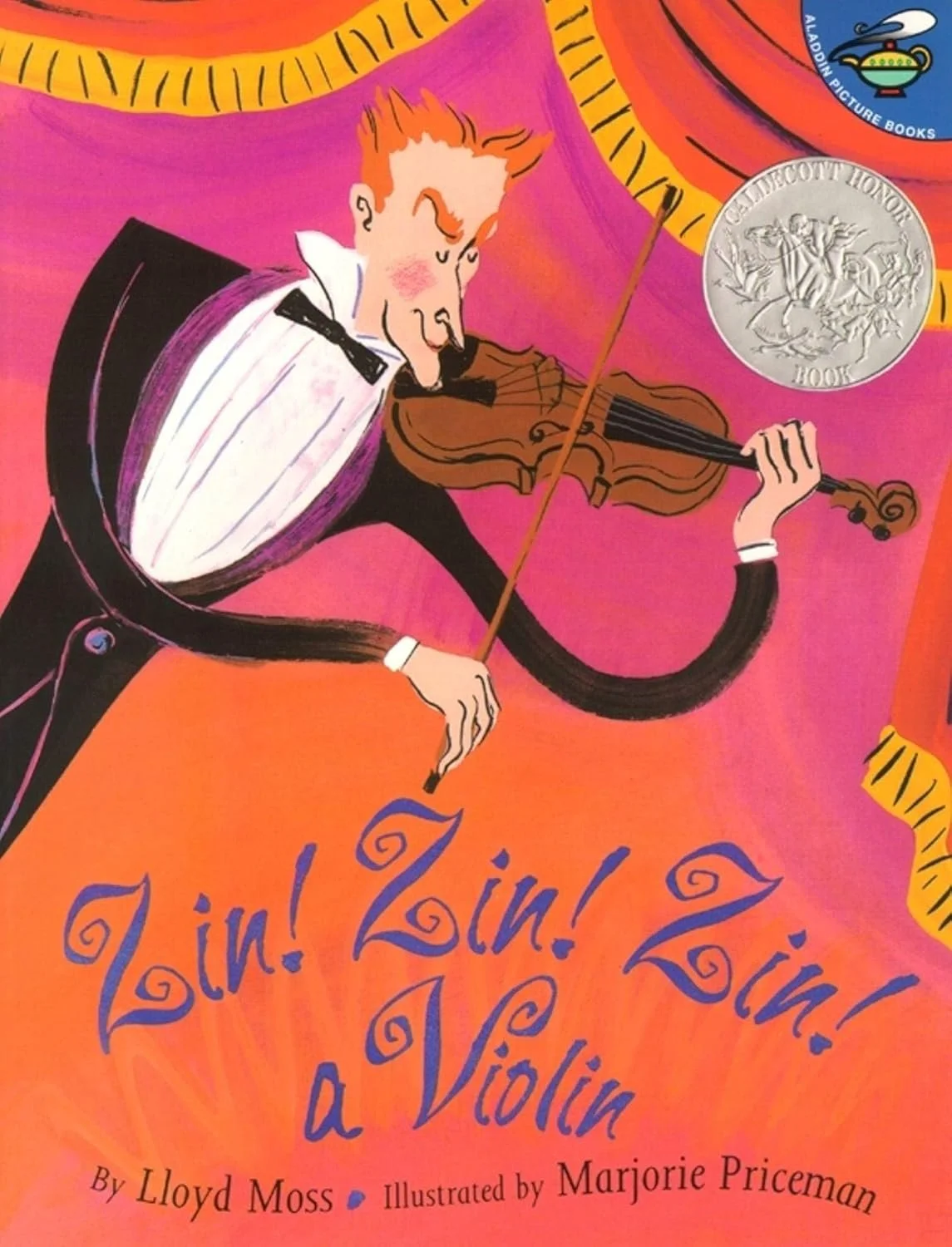
Zin! Zin! Zin! a Violin is a quirky delight of a book with it’s wonderful illustrations and rhythmic prose. The rhyming is spectacular in this book and children not only learn how to count and how they make up different instrumentations (solo, duo, trio, quartet….), they learn about instruments and the phrasing of the verses seem to emulate the sounds of the instruments. You need to read this book with a swing and make the words their own little musical sentences. After a few reads your child will probably even begin to recite it themselves.
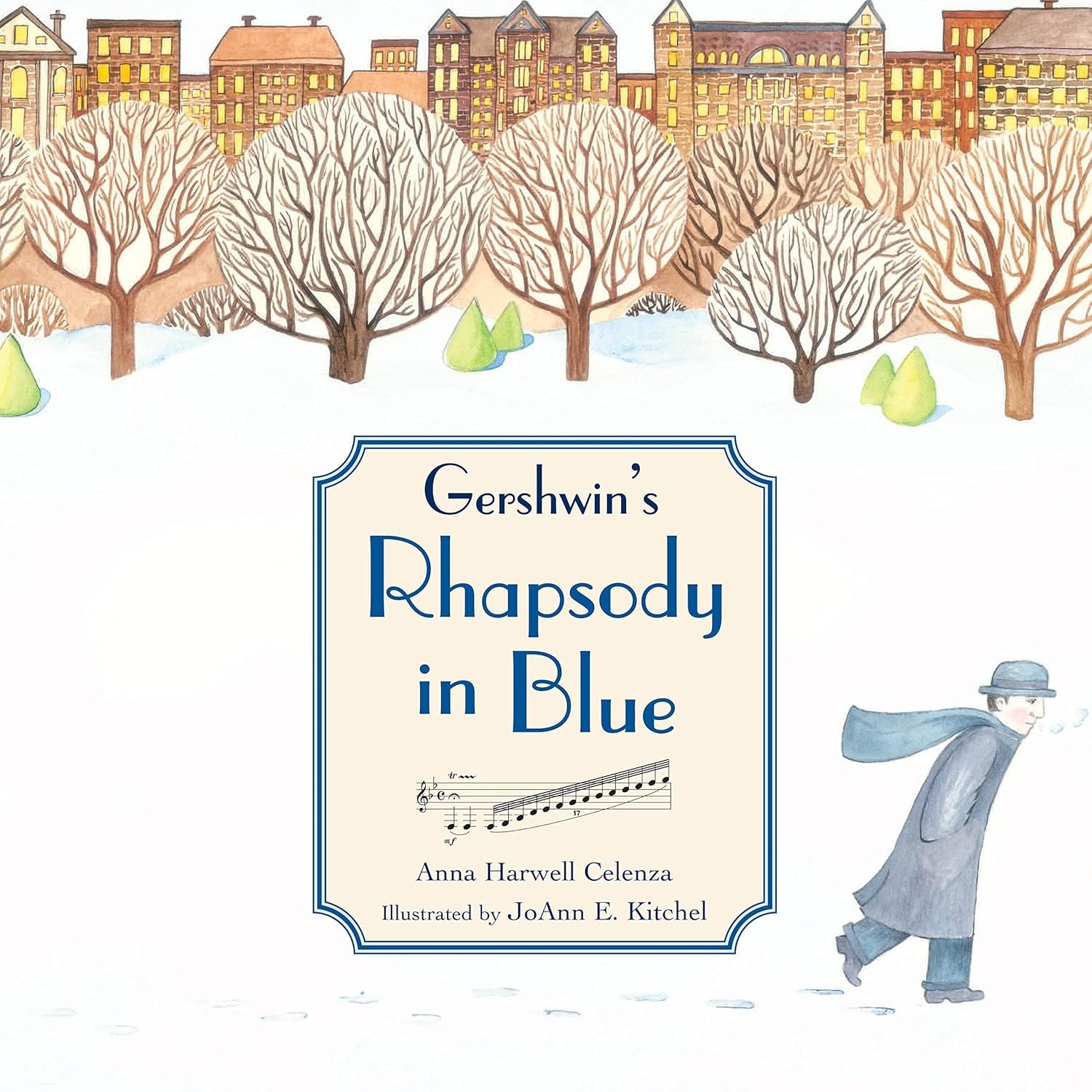
Gershwin’s Rhapsody in Blue Everything about the backstory behind this masterpiece of music is hilarious and the book truly writes itself! I bet you didn’t know that the iconic Rhapsody in Blue was written in only 5 weeks! George Gershwin read in a newspaper he was already scheduled to premiere a new piece he hadn’t even started! Talk about thriving under tight deadlines. There are so many marvelous tidbits about the story behind this iconic piece of music and this little gem of a book depicts 1920’s NYC in all it’s art deco splendor and just makes you want to time travel back in time. It tells the story with humor and lovely illustrations and young children will never forget this story and will forever recognize Rhapsody in Blue from the very first clarinet sliding swoop glissando. It also is a perfect example of the blend of classical and jazz music and the creation of a new and very bold American sound.
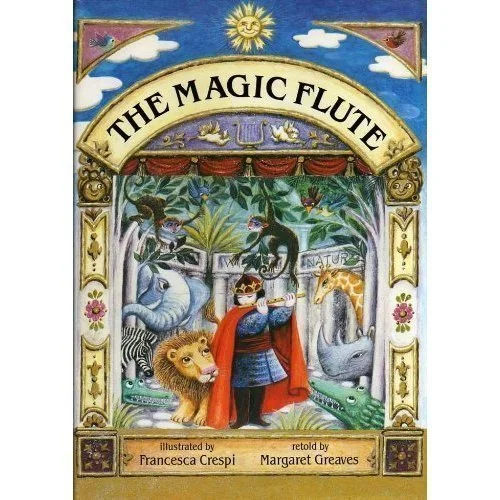
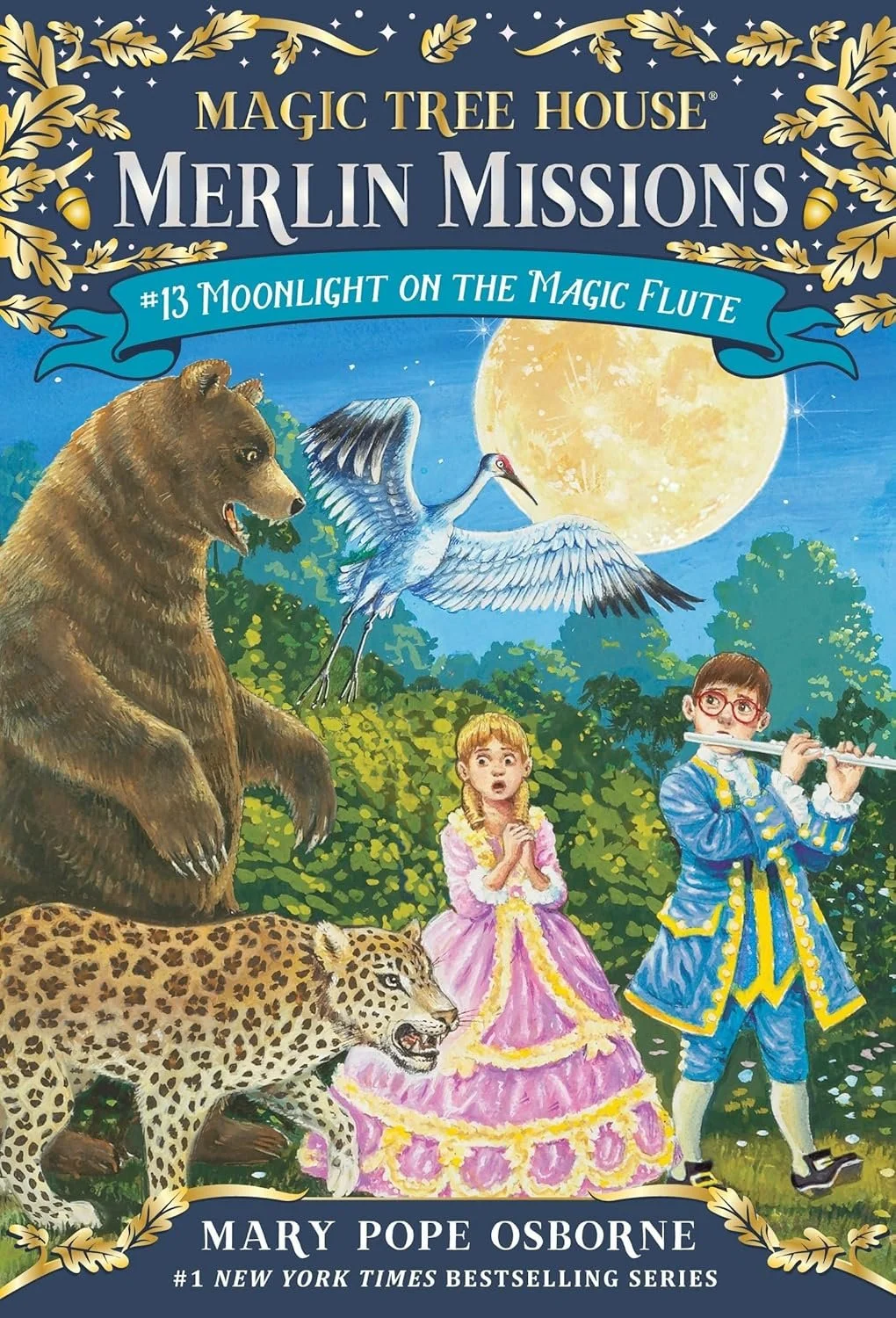
The Magic Flute Many operas can often have difficult storylines, and what I love about this slightly hard to find book is that it breaks down the plot line so that it’s simple enough for children to understand. Mozart’s wonderful opera is beautifully and simply retold with gorgeous illustrations. I have found that this book even appeals to adults wanting to understand the opera more deeply. If the book is overpriced at the links try looking on second hand book websites and you may score a used copy at a great price.
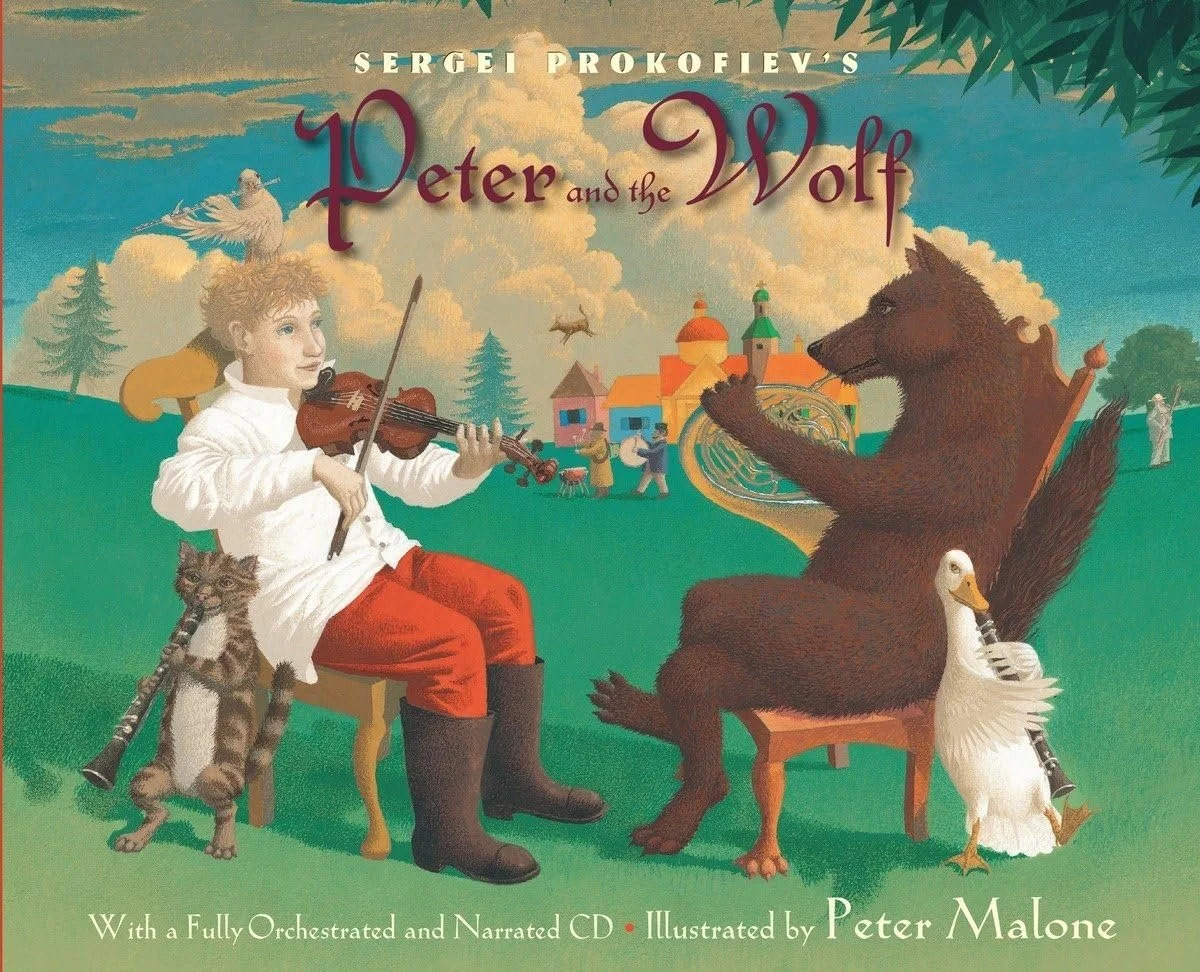
Peter and the Wolf This is without a doubt another favorite and loved piece of music in our household. This book beautifully tells the story with rich and beautiful illustrations and my children have loved this version the most because of the gorgeous pictures. I would be remiss if I also didn’t mention the spectacular recording of Peter and the Wolf with Boris Karloff. We have listened to it more times that we can count and my children have enjoyed flipping through the book while listening to the music and story. This piece of music is particularly special because Prokofiev used particular instruments to represent the characters of the story and this is where children begin to realize the storytelling ability of music and the magic that can be woven in our imagination through the power of music. I always wish that more composers had created more pieces of music like this that directly speak to children and tell a story!
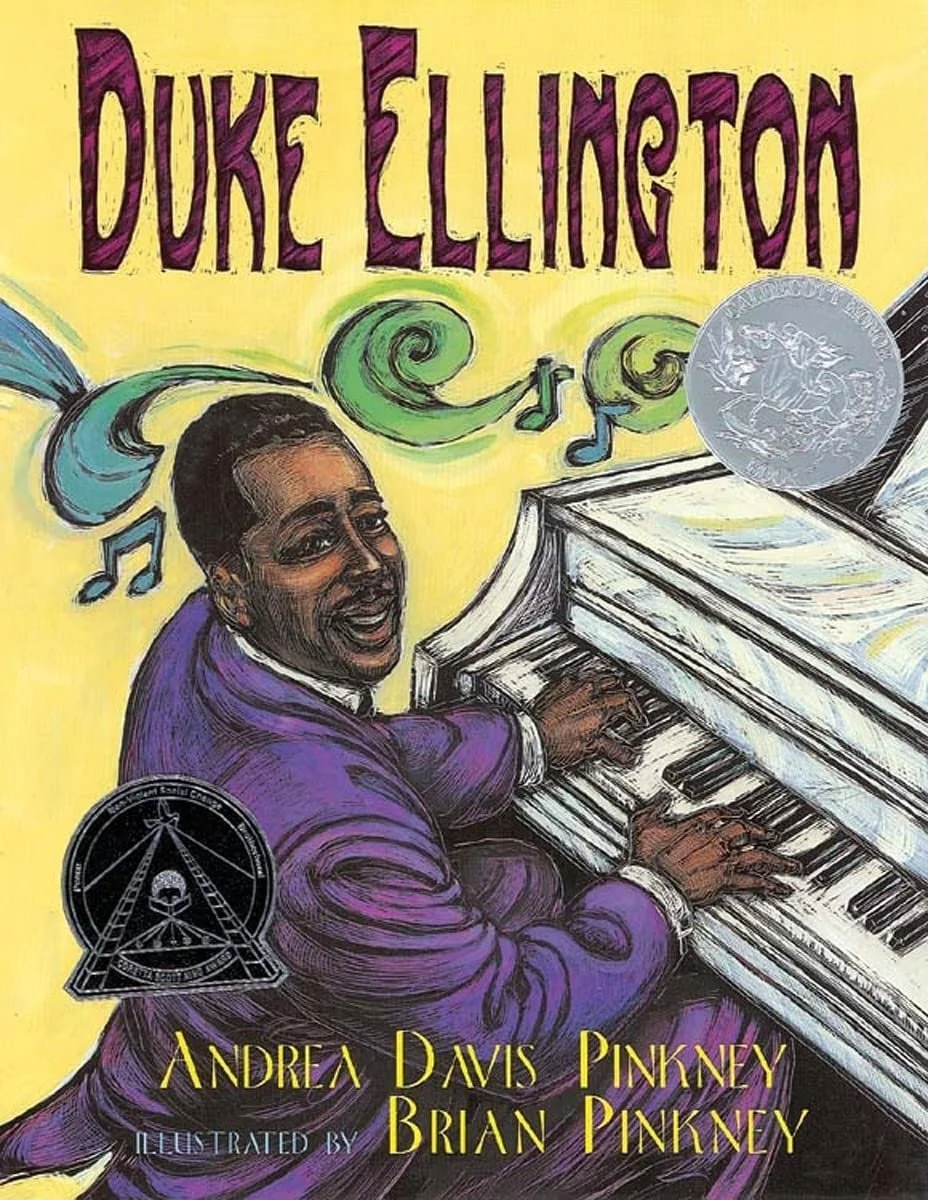
Duke Ellington: The Piano Prince and His Orchestra This gem of a book tells the story of the Jazz legend Duke Ellington. It really weaves in a lot of history and his story growing up. On a personal note Duke Ellington is one of my favorites and I absolutely love his music (who could not love listening to “In a Sentimental Mood?”). I love that this book has incredible illustrations and tells so many parts of his life. It is more well suited for kids 5/6+ I would say, as the story is involved and includes lots of facts. If reading to a younger child I would shorten the story and let them enjoy the pictures while listening to some of Ellington’s music.
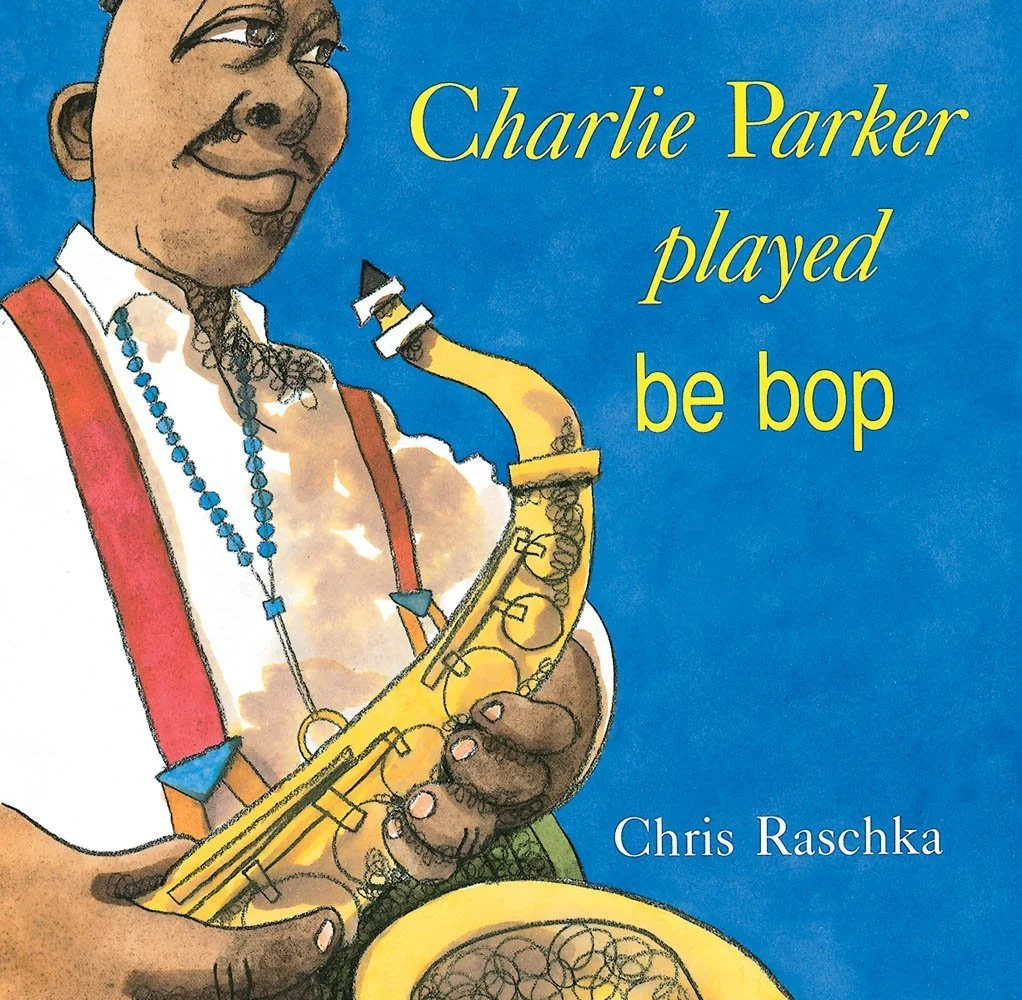
Charlie Parker Played Be Bop On the theme of Jazz giants, this is another book about the great Charlie Parker who went by the nickname “Bird,” in case you ever find yourself on Jeopardy. ;) If you want a book that introduces jazz music in a very child friendly way, then this is the book! The way the words are even written is jazzy! You won’t know what I mean until you see this book in person, but this book needs to swing. You need to read it like you are playing trumpet or sax. Your words will be the music! When you see the way this book is written and illustrated you will know exactly what I mean and even better, young kids will get it right away, too!
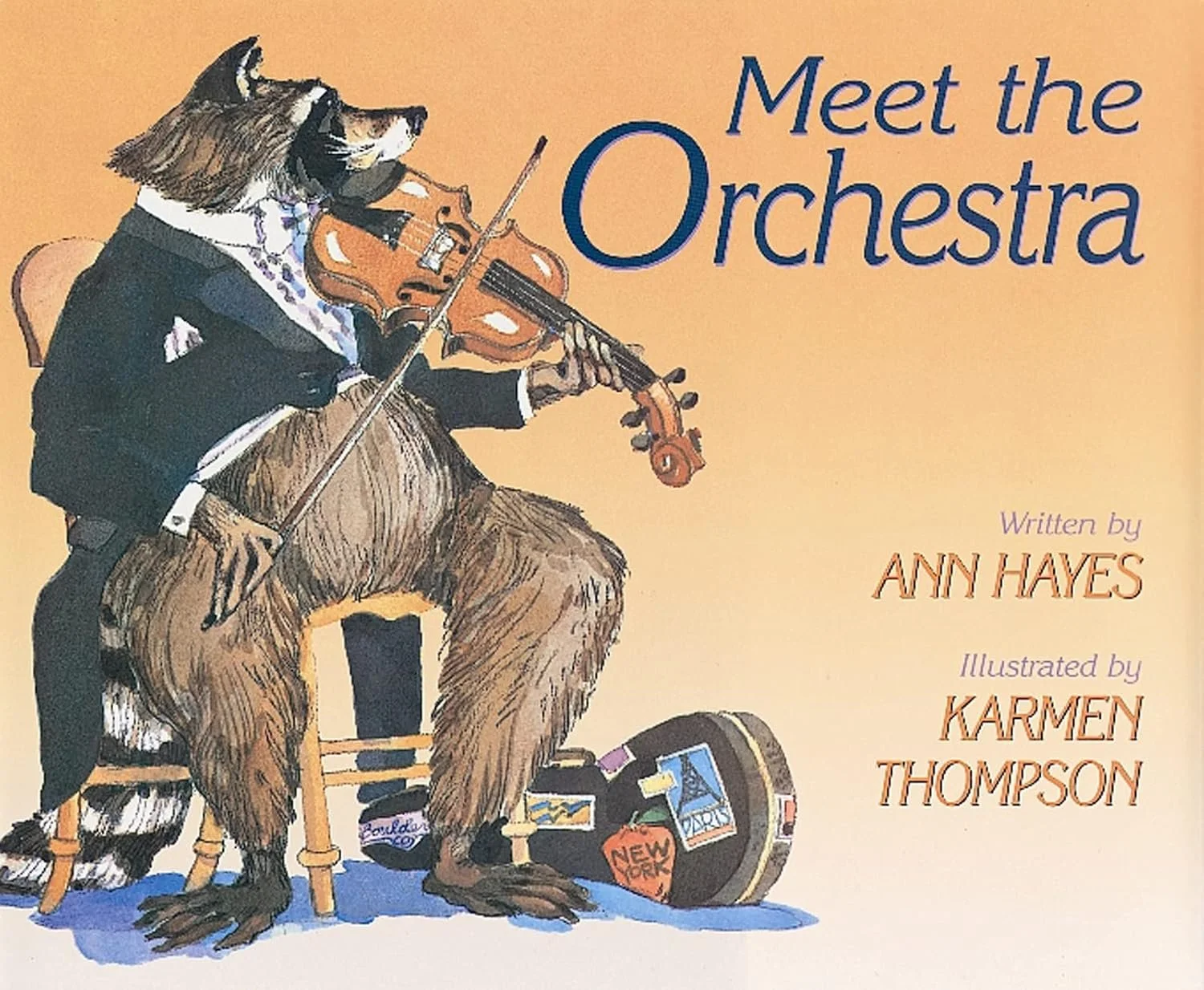
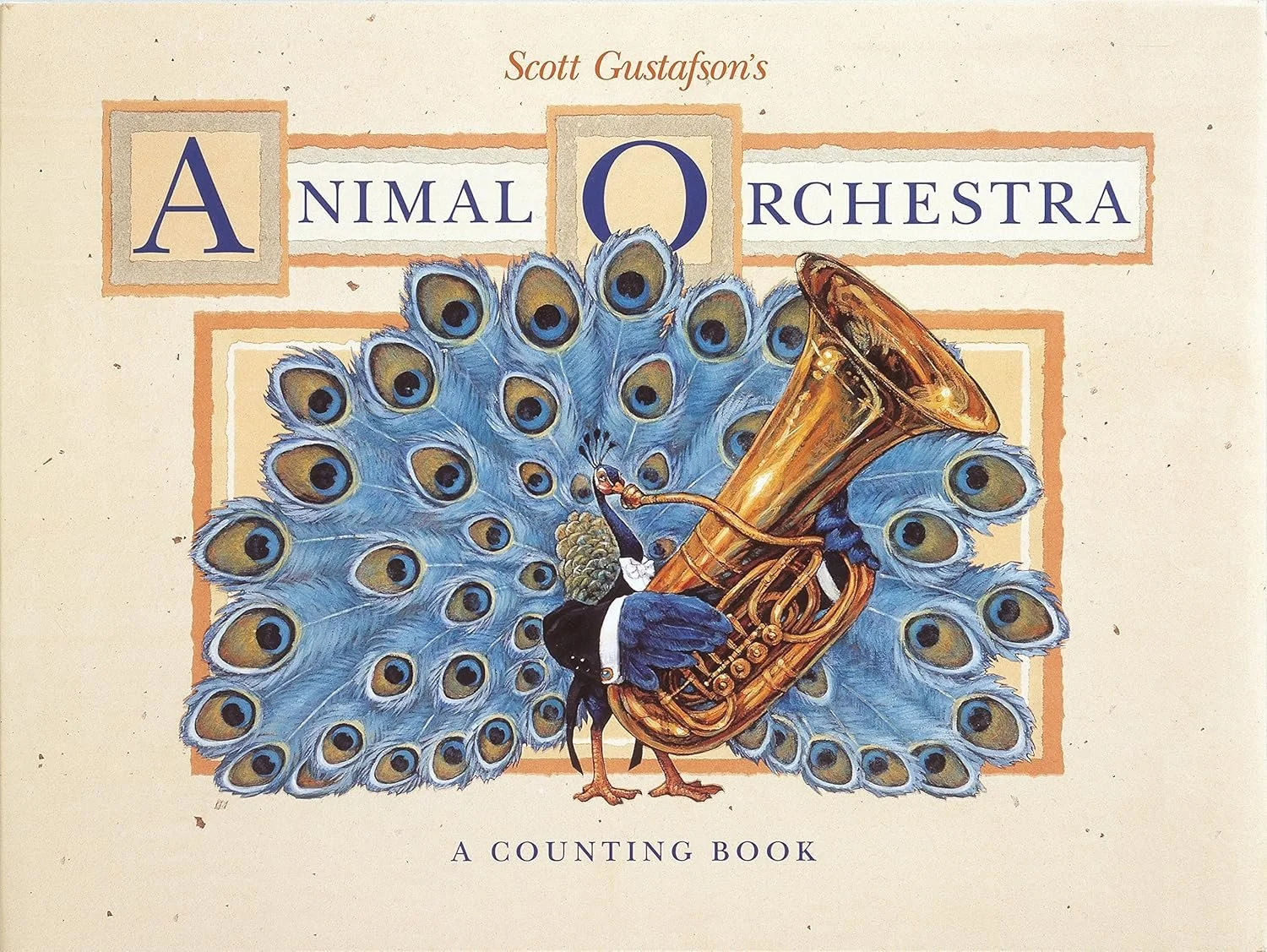
Meet the Orchestra If we want children to learn about instruments and the orchestra, we should start from the very beginning in a fun way. I love this book because it goes over the instruments of the orchestra and depicts a different animal playing each instrument. Picture an alligator in a tux playing the timpani - how fun is that? Each description of the instruments is not only child friendly, but describes the instruments so perfectly and even humorously in a way that makes it memorable to kids and adults alike!
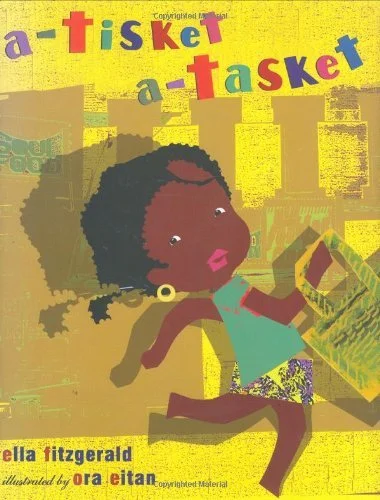
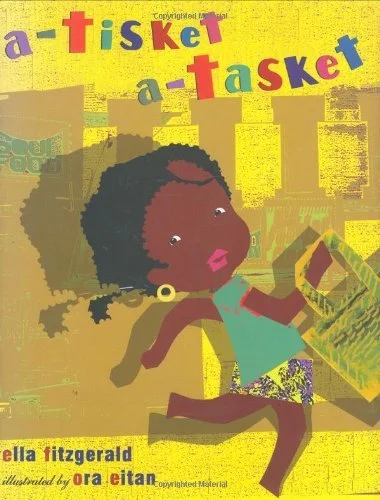
A Tisket, A Tasket Ella Fitzgerald shot to fame after releasing her recording “A-Tisket, A-Tasket” in 1938. This special song was inspired by the nursery rhyme and childhood game by the same name. This book is hard to find and the price may be inflated at some of my links - just keep an eye out again on the used book sites. If you are not new to my book recommendations you will know my love of wonderful illustrators; the charming cut-paper illustrations in this book do not disappoint! If you love clapping games and a-tisket, a-tasket, I made a mini-lesson on this iconic song.
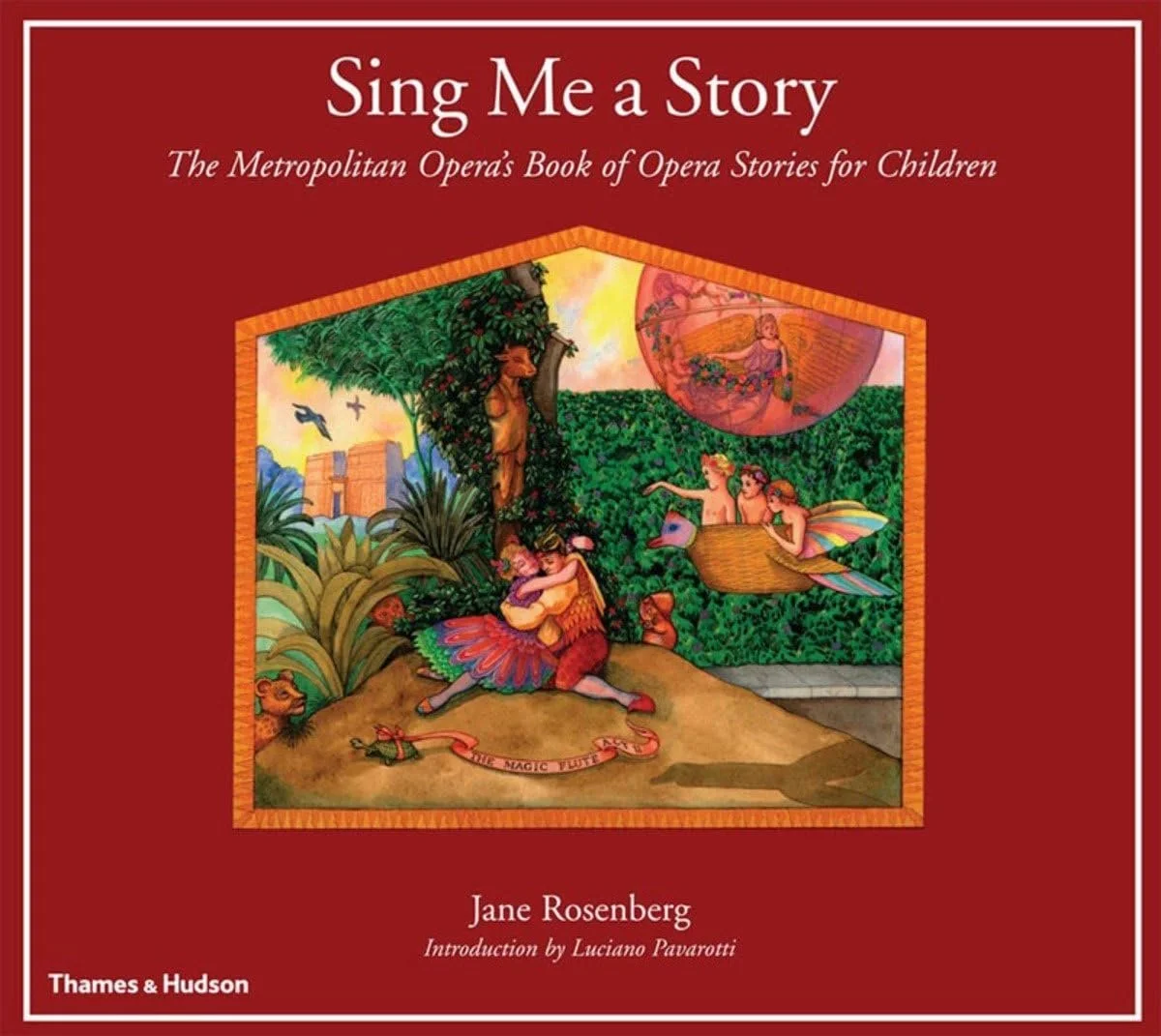
Sing Me a Story Imagine a Grimm’s style story book, but about the famous opera stories, and you have the Metropolitan Opera’s Book of Opera Stories for Children in a nutshell. This is a big book that tells the stories of 15 of some of the best opera stories: Aida, La Boheme, The Magic Flute, Porgy and Bess and Carmen among others. The language is rich, like Grimm’s fairytales, and there are a few beautiful illustrations, but I should emphasize this is not a picture book, but rather a story book. Adults may even love this book if they are unfamiliar with the stories.
Animal Orchestra Okay, I know this is my second book on this list about the orchestra and with animals, but I LOVE this book! It’s well suited for the littlest of kids - it’s never too early to talk about the orchestra and even a 2 year old can identify a french horn if shown. This book is definitely hard to find, but if you have a baby or little toddler keep it on a watchlist - it is brilliantly simple with few words and goes over counting from numbers 1- 10, and little children have fun counting the animals on each page playing the instruments. The pictures are so, so delightful and wonderful and I just think it’s such a special book. If I was giving a book as a baby shower gift, this would be a top contender!
I Know a Shy Fellow Who Swallowed a Cello Remember back to Part 1 of this musical book series where I spoke about There Was an Old Lady Who Swallowed a Fly? This book is based off of that song. The rhyming is off the meters good and it can be sung like There Was an Old Lady Who Swallowed a Fly. Bonus points if you add silly voices and sound effects when reading/singing this book. I think this book is such a favorite among children because the silliness is the best! It is pure fun and a must have book in my opinion!
Berlioz the Bear This charming book tells the story of Berlioz who plays the bass and who’s instrument has developed an alarming buzz. I think any person who plays a stringed instrument will immediately relate with Berlioz and the alarm (IYKYK). It’s even understandable when he steers the bandwagon he is on with his fellow musicians into a hole where they all get stuck! Jan Brett’s illustrations are pure magic as always and bring this story to life. I recently read this story book to a group of 4-5 year olds and they LOVED it. They were so engaged with the story and were really rooting for Berlioz to get to his gig. I think these types of stories are really important for young children and help develop their knowledge of music, musicians and the whole world of music! I also recommend listening to “The Flight of the Bumblebee” by Rimski-Korsakov at the end of the book. You will have to read the book to find out why! :)
Opera Cat Along the same lines of reading stories to young children about music and musicians, this heartwarming and hilarious story brings to life the story of an opera singer’s cat. The storyline is great and the illustrations are wonderful and I know your children will enjoy this story immensely!
Moonlight on the Magic Flute (Magic Treehouse) This chapter book is a bit of an oddity compared to my other selections, but if you have a 4-7+ year old who loves Magic Treehouse, then this story is a must! Annie and Jack have to travel back in time to Austria and help a musician by the name of Mozart. What I love about the Magic Treehouse series is that the books have a way of mixing fact and fiction and always, always succeed in developing a curiosity in children. This book is a perfect window for children to enter the world of Mozart’s music in an approachable and relatable way. I’m just hoping that Yoto will soon record more Magic Treehouse cards and include this one!
New York Melody One of our favorites to sit on the couch and look at while listening to Duke Ellington’s “Take the A Train.” It’s so beautiful!
I hope you enjoyed this long post about some of my favorite books that are all inspired for the love of music! Appreciation of music and art and excellence should start from the beginning. Help me spread the word that the love of music begins in early childhood and that nothing is as formative as those years of birth - age 6/7. Bring your children to the museums, blast opera and imitate the singing, show them that you are excited listening to that opening clarinet solo in Rhapsody in Blue and guess what - they will be excited too! Happy memory making!
Stay tuned for my Holiday Musical Books Roundup later this month. Some of these books coming up are so special and I am already so excited to start reading and singing them to my children very soon! Bring on the snow, the twinkling lights and the nostalgic tunes. Thank you for being here!
Sing-a-Loud Musical Books for a Magical Childhood
This post contains affiliate links. If you purchase through them, I may receive a small commission - at no extra cost to you. Thank you for supporting my work!
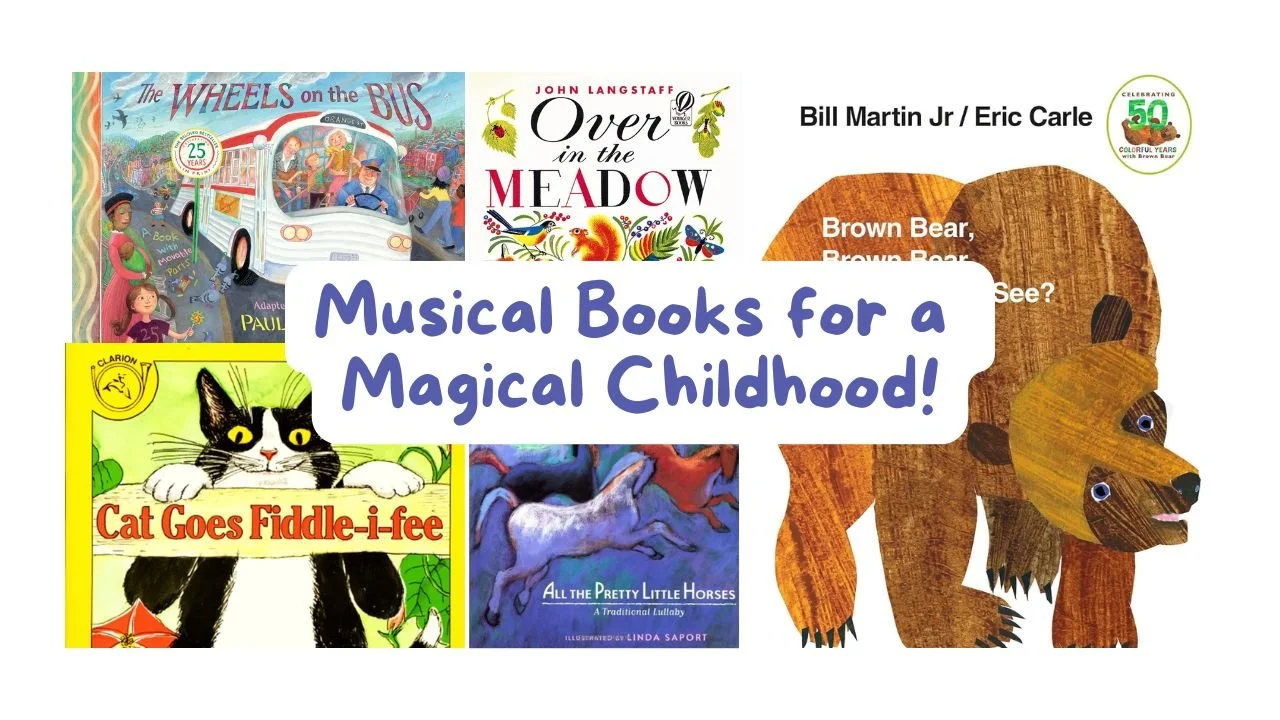
This musical books list is going to be a little different from your typical “Top 10 Books for Children” posts that you see floating around. Instead of just giving you a list of titles, I wanted to share the why behind these selections - some history, some insights, and yes, a few random thoughts. I mean anyone can type out a list of musical books. Heck, I’m pretty sure there are already countless lists of musical books online already, but I wanted to not just suggest titles, but delve a little into the why, which to me, is far more interesting than just a list of books. I am blessed to have a child who asks “why?” to basically every single thing, and I have to admit he probably got that innate curiosity from me. LOL. The apple doesn’t fall far from the tree is so very true in this case. So if, like us, you are curious and like to know the random thoughts behind book selections, make sure to grab a nice cup of coffee or tea and settle into a chair when you have a few mins of quiet. By the end of this post you’ll see exactly why I believe musical books are essential for a magical childhood!
Everyone talks about reading books to your children. There are even challenges to read 1,000 books with your child before kindergarten, but hardly anyone talks about singing books to your child. And that astonishes me. Singing, rhyming, and rhythm are core pillars of pre-literacy and brain development. They build memory, language pathways, beat competency and future reading skills, yet so many parents are missing out on this simple, powerful tool.
So, for Part 1 of this musical book series, I’m starting with the sing-a-loud books - the ones you don’t just read, but sing out loud (many of which you’ll already know by heart, I bet). And one that may even be considered controversial!
When we sing a book with our little ones, we are weaving that memory into their childhood forever. Research even shows that oxytocin (the bonding hormone) levels double in young children when hearing their parent sing, compared to regular speech. That means that they feel more bonded, safe and loved. So those books that you sing with your children…those will be ones that they will remember forever!
Important (Please Read):
I’ve linked most of the book covers and titles below through Bookshop.org, which is a wonderful platform that supports independent bookstores! You can buy directly from local bookstores through their website, and 80% of their profit goes back to bookstores! I always aim to use my online presence to uplift businesses (especially small businesses) doing positive things. With that said, I also know that Amazon has become a way of life for many people, and that authors do rely on Amazon rankings as well, so I have included Amazon links at the bottom of the post. And finally, this is a BIG list of books- try your local library and see if you can check some of them out first. <3
Sing-a-Loud Books
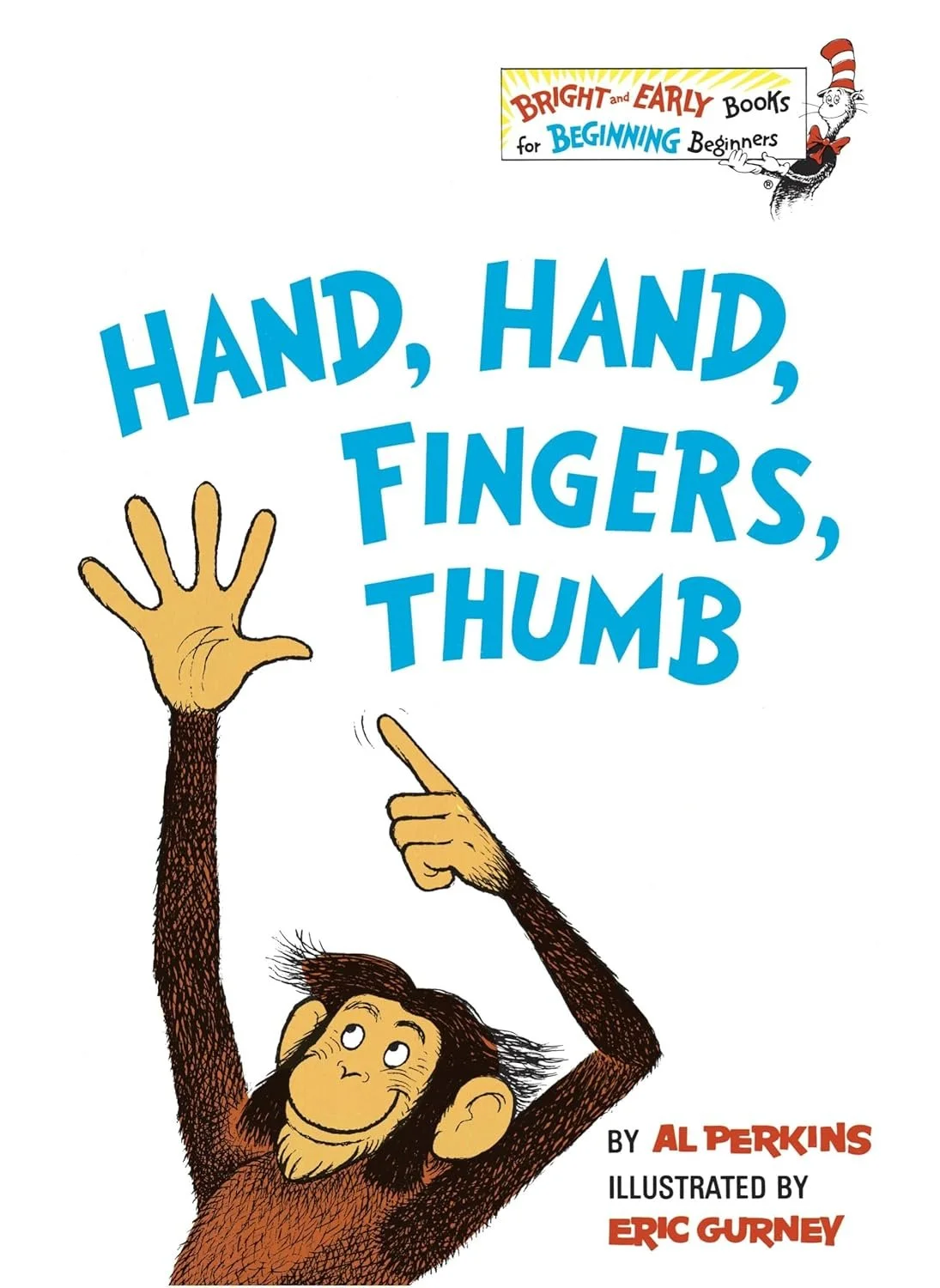
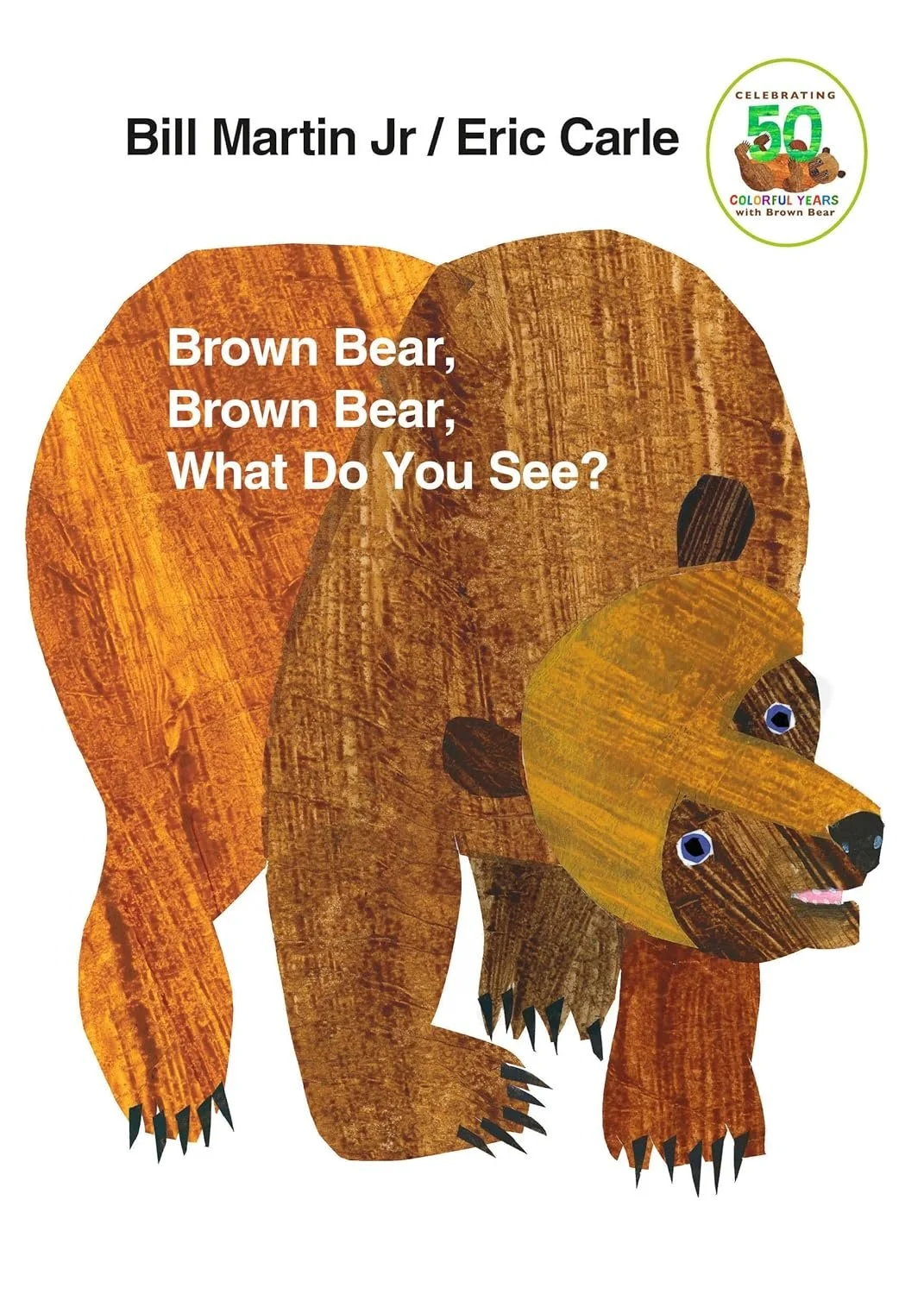
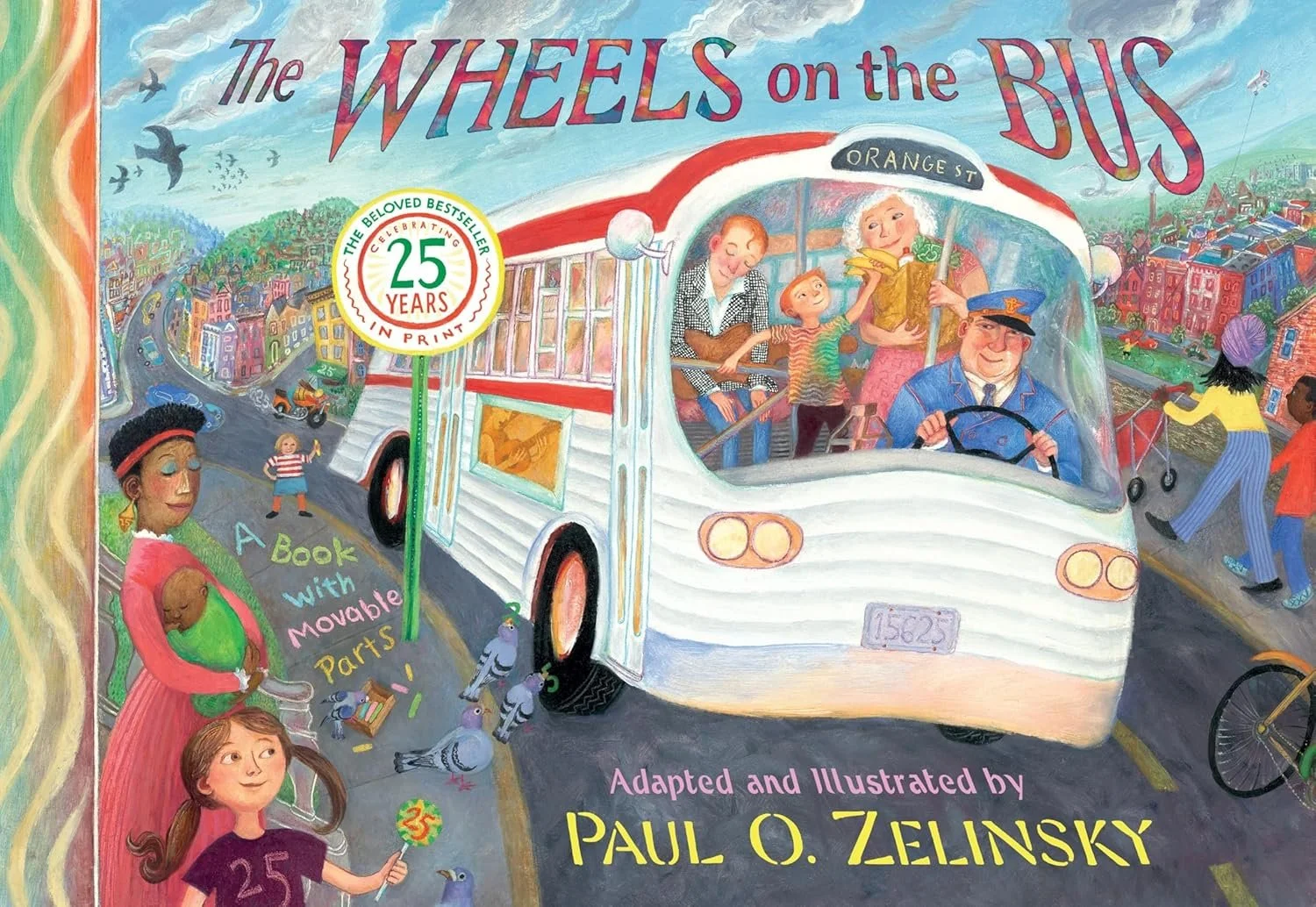
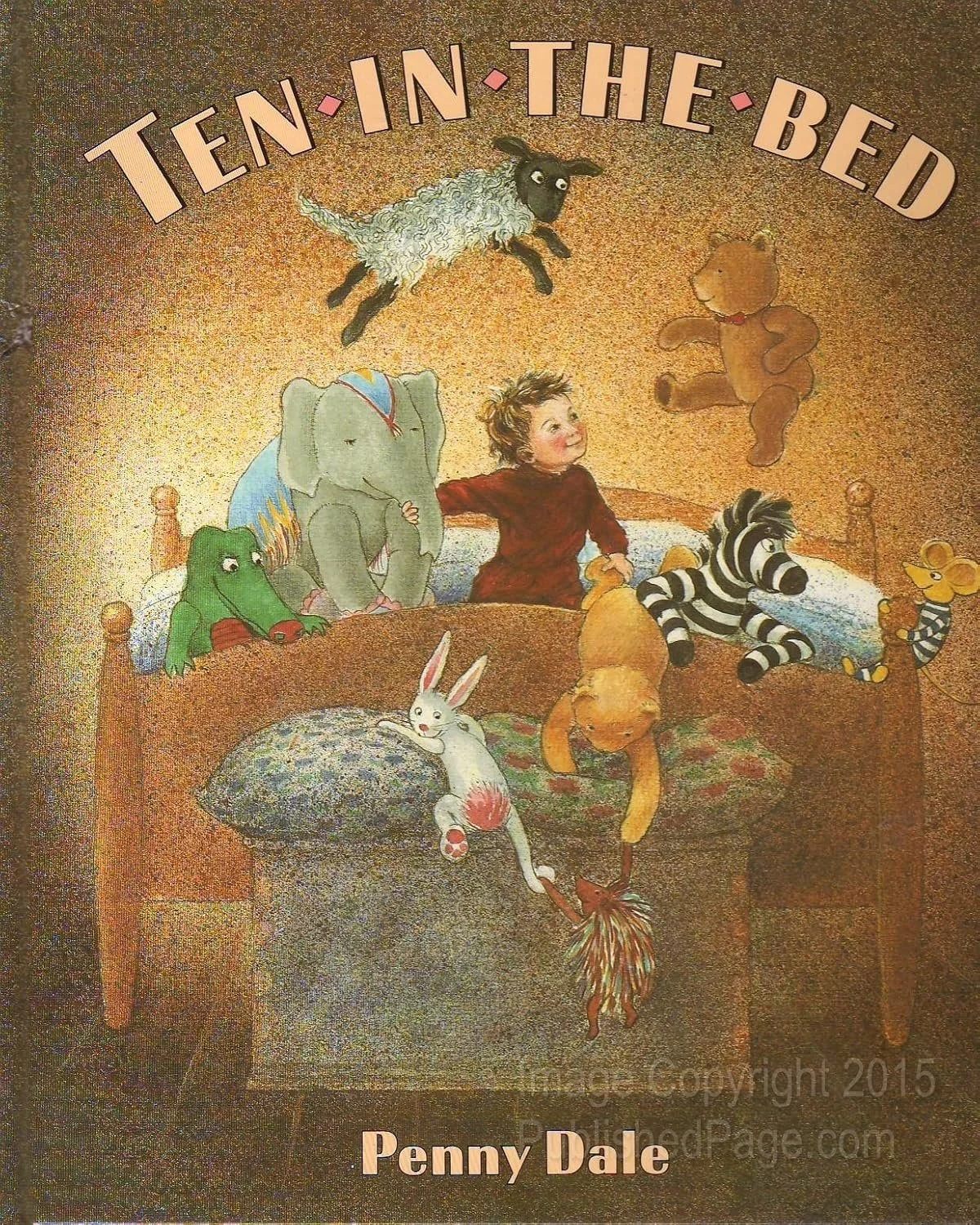
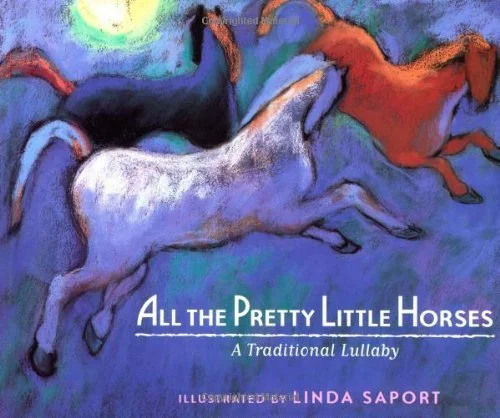
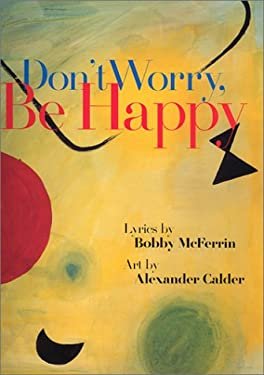
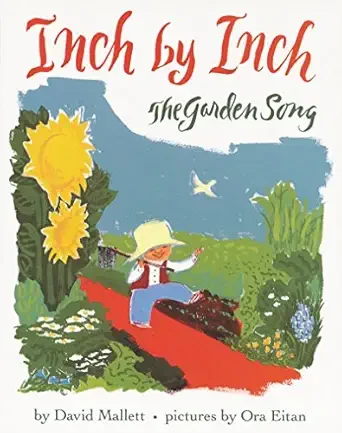
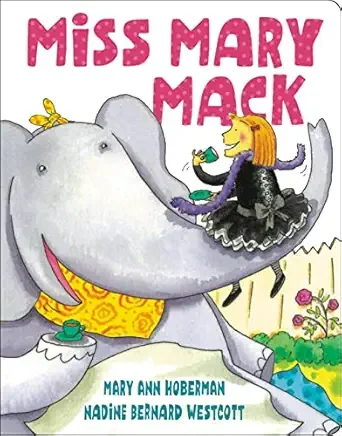
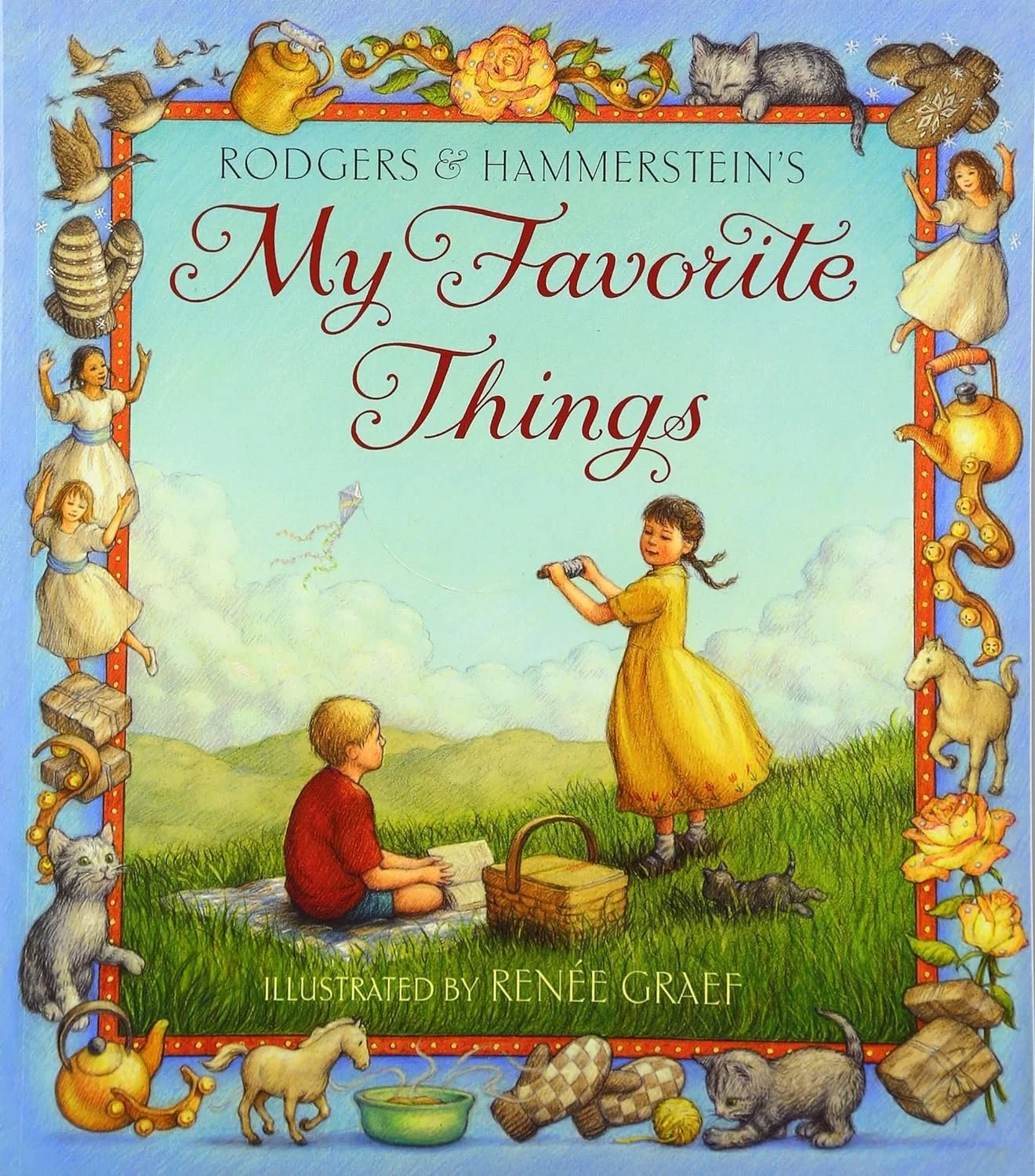
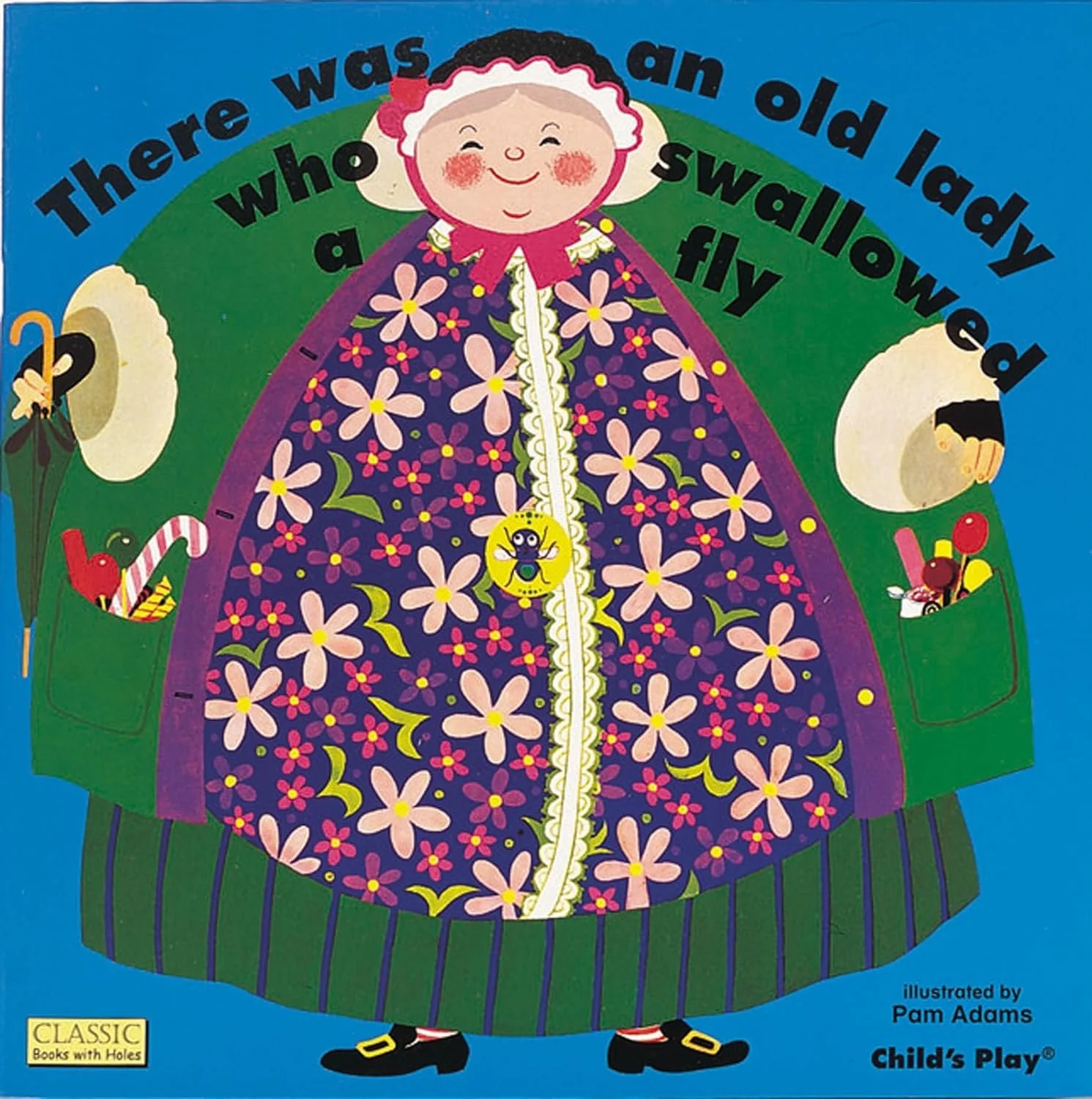
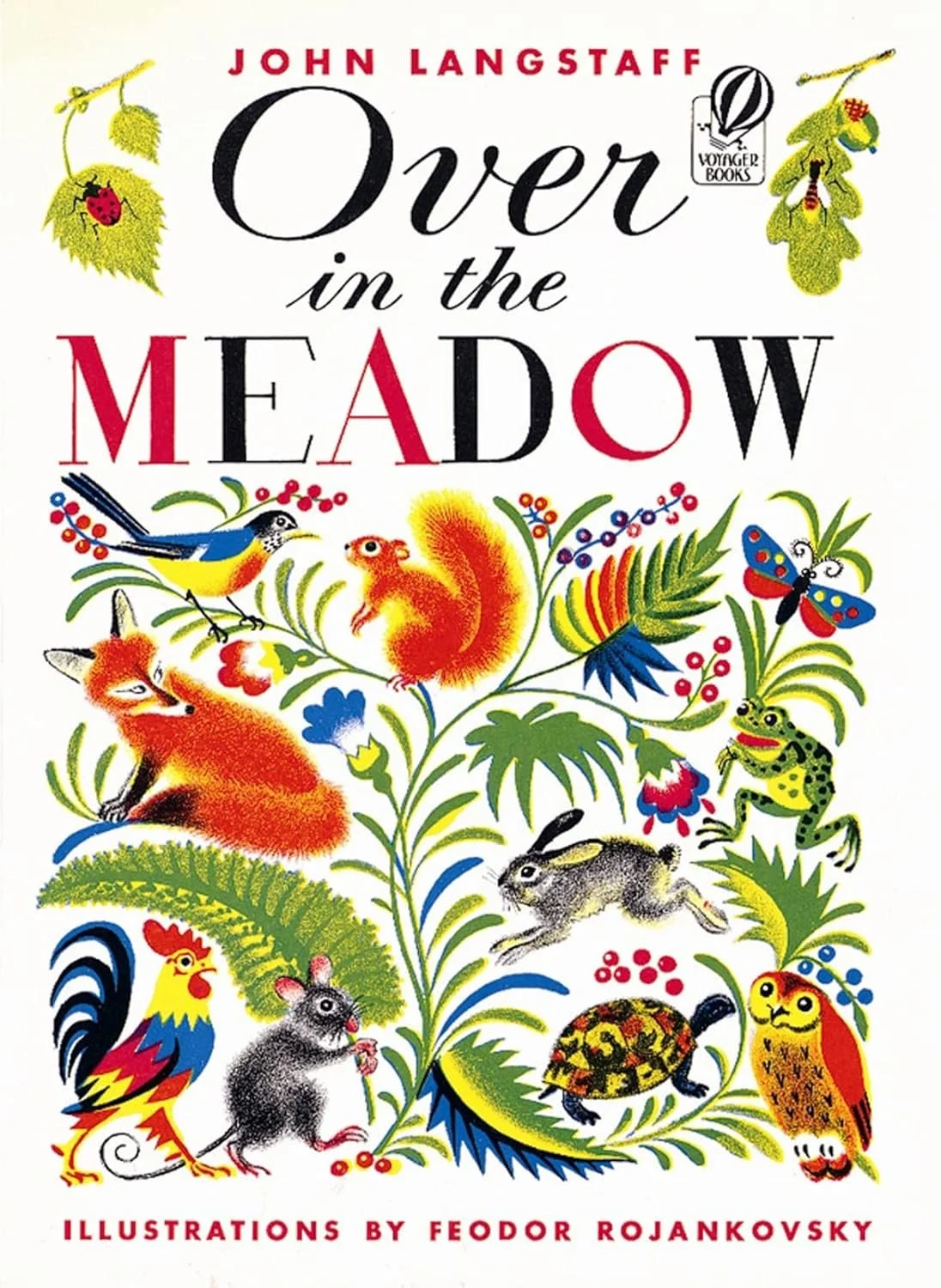
Hand, Hand Fingers Thumb is one of the top three favorite musical books in our household. I did a musical read aloud of this iconic little book on social media. Click reel to view on IG. My children know this book backwards and forwards and frequently I will hear them chanting the rhythms from this delightful little book! Or when they are asked to create a rhythm on an instrument, without fail, they will break out with a little rendition of “dum ditty, dum ditty, dum, dum, dum.” :)
Brown Bear, Brown Bear, What Do You See? is another top three contender in our house. This book can be sung from day 1 when your baby first arrives. You can sing the melody of the book to “Twinkle, Twinkle Little Star.” Magical Music Method members have a video lesson on the singing of this book in the musical books section, with a slight variation on the Twinkle, Twinkle melody. There are also many different melodies that can be sung with this lovely book. Children seem to latch onto this melody quickly and love the colors and simplicity. My youngest child will often be found singing randomly, “red bird, red bird what do you see?” I can assure you that there is nothing cuter in the entire world than to walk into a room finding your child singing to themself.
The Wheels on the Bus is maybe the most popular toddler song in the Western World?? I don’t know one single kid who doesn’t love to bust out singing this song. This book is so, so special with it’s movable parts and colorful illustrations. I only urge you to store it up high so that the book is used when an adult is present, otherwise, the movable parts may get ripped off. It’s my favorite book to use with this song and it has been cherished for yearsss!
Cat Goes Fiddle-i-fee is based on the children’s nursery rhyme/children’s folk tune that is believed to have originated in England, though there is some uncertainty in the history, as the tune appears in a lot of early Americana music under slight name variations. All that to say, this song has stood the test of time with it’s clever rhymes and is a favorite of children. A perfect book to sing with your littles one to build strong pre-literacy skills!
Down by the Bay is a very old song that some say have Greek origins and was made popular by Raffi in his 1976 album ‘Singable Songs for the Very Young.’ If you’re not familiar with this song I highly encourage you to listen to Raffi’s recording, and I bet you will not be able to help yourself, but sing a-long in no time at all. But then, most importantly, learn the melody so you can be the main star when singing it to your little one. They will absolutely love this super fun, rhyming song!
Every Little Thing is a sweet book that brings alive the magical words of the Bob Marley song. “Rise up this morning, smile with the rising sun, three little birds….” It’s an uplifting and positive song that is easy for children to learn and sing, and gives them a truly uplifting message to sing and carry in their minds. I often like to remind parents that music imprints on the mind in the early years. “Don’t worry, about a thing, because every little thing, is going to be alright.” -Bob Marley
Ten in the Bed is another delightful and favorite book in our household. The song originates from a counting nursery rhyme and the song that developed with it, dates back to the beginning of the 20th century. I speak a lot about how music is the most effective tool for teaching practically everything; well this book and song is a perfect example of how a song can teach a child to count and subtract. When you start singing this to your baby, they will just love the sound of your voice and the pictures of the cute animal toys falling out of bed, but as they get older, they will begin to participate by keeping track of the animals that fell out, and what number comes next.
All the Pretty Little Horses: A Traditional Lullaby I included this book on my list even though it is a little bit harder to find. If the book is sold out at my provided links or is too pricy, keep an eye out on used book websites. This book is such a dreamy and magical little book. The illustrations are exquisite and really lend itself well to dreamland. For music readers, the back page has the sheet music of this lullaby. This lullaby is believed to have originated during slavery, and like many folk tunes, there are many different versions. It’s a beautiful lullaby to rock your baby to sleep while looking at the stunning images before sleepy time. So keep an eye out for a copy online, or in your local used book stores!
Don’t Worry, Be Happy This is another slightly hard to find book! If the price is inflated at any links, just peruse the used books websites, and you may score a cheap copy elsewhere. You may have noticed a slight trend in my love of musical books that accompany beautiful and interesting art and imagery. This book uses the artwork of Alexander Calder to the words of Bobby McFerrin’s song. It’s another feel good song with an uplifting message of joy that I find particularly necessary for childhood. Cultivating the beautiful and the positive in early childhood makes children feel secure and confident. You can explore the artwork of Calder while singing the song, and invite older children to create their own artwork and interpretations!
Inch by Inch: The Garden Song is an iconic and much beloved song made famous by so many wonderful folk singers, like Pete Seeger and John Denver. It’s a beautiful and simple song and this book is really sweetly illustrated. Children love to sing about what they see happening in nature and this is definitely one to use when sowing seeds wether in the Fall or Spring!
Miss Mary Mack I think mostly everyone who follows me on social media knows my deep love for Miss Mary Mack! :) There is no way I could not include a book to pair with the lady we all know and love! It’s another fun little book and a great way to introduce the song to small ones who are too little to start learning the clapping game and for big ones to engage with the song in a new way.
My Favorite Things is based on the famous song from the musical, “The Sound of Music.” This song is maybe the best song from that movie, though to be honest it’s so hard to choose, as all the music is INCREDIBLE. Even John Coltrane found this song inspiring as he made his own Jazz version that became a pivotal moment in his career. I highly recommend listening to the Rodgers & Hammerstein version and then John Coltrane, and then learning the song yourself to croon to your own little family! The melody and beauty of the lyrics make this a truly special song to sing with children. The illustrations are gorgeous in this book and really make the words come alive!
There Was an Old Lady Who Swallowed A Fly This song/children’s song is sometimes a controversial choice among parents because of the lyrics, “There was an old lady who swallowed a fly, I don’t know why she swallowed a fly. Perhaps she’ll die…” It’s clearly a silly and nonsensical song and children are smarter than we give them credit for, and know this! We don’t shy away from talking about death in our house, so naturally these types of books and songs are not controversial over here. And because children usually like these quirky non-sensical songs that rhyme, this one is a favorite and has seemed to stood the test of time! The book has cutouts that morph into bigger and bigger cutouts as the old lady swallows larger and larger animals!
Simple Gifts is originally a Shaker folk tune with beautiful lyrics and a gorgeous melody. It was relatively unknown until Aaron Copland used the melody in the score of Martha Graham’s ballet Appalachian Spring in 1944. This book is illustrated by Chris Raschka an author, illustrator and violist who wrote another famous little book that I will feature in another part of this musical book series! This book provides an opportunity for older children to create their own artwork and explore the meaning behind the lyrics, while exploring the evolution of the song from its simple Shaker roots to Copland’s sweeping version. Bringing together music and art, and how both creative expressions serve and enhance each other.
Dinosaur Dance was one of the first books my eldest child fell in love with as a young toddler. He would request it over and over. Sandra Boynton books are so innately musical and rhythmic that it is hard not to sing these books. I have my own little version of this book, but I highly encourage parents to interpret the book as you wish and have fun “sing songing” this book - there’s no wrong way to do it. This book is pure fun!
Over in the Meadow is one of my favorite songs to sing at home. This beautiful book has the loveliest illustrations and introduces counting. Before you know it, your little one will be anticipating the next number coming in the song and learning so much through the magic of musical books.
I hope you enjoyed peeking into my thought process behind these selections and that you’re feeling inspired by just how powerful singing books can be for our little ones. Help me spread the word: childhood shouldn’t be just read…it should be sung too. Singing books is a joyful, integral part of a magical childhood, and every child deserves to experience it!
Stay tuned for Part 2 of my Musical Books Series, where I’ll share even more titles, insights, history and the meaningful whys behind the next set of musical books selections.
Amazon LinksMiss Mary MackDon’t Worry Be HappyAll the Pretty Little Horses My Favorite ThingsInch by InchThere Was an Old Lady Who Swallowed a FlySimple GiftsTen in the BedCat Goes Fiddle-i-feeDown by the Bay The Wheels on the BusOver in the MeadowHand, Hand, Fingers ThumbBrown Bear, Brown Bear, What Do You See?Dinosaur DanceEvery Little Thing
Screens and Early Childhood
Millennial parents are known for being the last generation to experience a childhood free of the effects of constant technology. We played outside, got bored, and had to remember to rewind our VHS tapes before we returned them to Blockbuster. I remember when dial up internet first “came to our house.” We had to unplug our landline telephone and plug in the cable for the computer into the jack. And then the sound it made. I can still hear that sound…What we didn’t realize at the time, was that technology was going to have sweeping consequences for how our own children would grow up.
Many of us now are seeing a childhood that looks so different from our own. Children are not playing outside as much. So many games that we played as kids are rarely seen. Now I know that trends ebb and flow, but what is replacing a lot of the play we used to see, is screen time. The average American child (age 0-8) is spending about 2.5 hours on screens every day and barely any time outside.
I think we can all agree that these trends are deeply troubling and are going to have lasting consequences.
If you have been following me on social media, you know that I speak to how a lot of what is being offered to our children is on purpose. We live in a world where products are not offered based on what is developmentally best for children, but what will create the most profit, even if it’s harmful. Morals have been thrown to the wayside. We know that many apps are harmful for children. Many children’s tv shows are intended to be addictive. It’s to create a consumer at an early age.
So when you reject these societal norms and prioritize bringing your children outside, and reading books and singing songs you are doing something so powerful and meaningful!
I’m going to tell you a little bit about how I came to my own philosophy of parenting: Being a private lessons music teacher my entire life I had the privilege of teaching many, many students. Some of them I taught their entire lives! I saw them grow up, graduate, go to college and take on careers. The experience has been beautiful, but it also opened my eyes in a lot ways. I saw many things that concerned me. I saw the ways in which screens were hijacking children’s attention. I actually witnessed first hand the personality changes that would happen after a child had gotten their first phone. I had seen it so many times, that I couldn’t merely chalk it up to coincidence.
By the time I became pregnant with my first child I really had come full circle on how I wanted to raise my child(ren). I knew that I did not want them to lose their chance to be brilliantly creative, musical, curious, connected and in tune with themselves. All the things I was witnessing being diminished.
The misuse of screens is truly doing a disservice to our young children. It is literally re-wiring their brains. I understand that some parents find themselves in less than stellar circumstances, where their only saving grace is having their child use a screen. Perhaps this single parent works from home and needs to have a quiet household to maintain their job and keep a roof over themselves. To these parents, this message is not for you. You are doing the best you can with the circumstances you are given.
But to the parents who have the option to replace screen time, I wanted to give some helpful ways to start eliminating high screen usage, so that way children have ample time to be bored and to find the urge to get creative.
Create certain days/times where screen time is allowed. A perfect example is a once a week movie night with the family. Pick a schedule and stick to it, even when it’s tempting to throw a show on for peace of mind.
Introduce audio stories as a replacement for screen time.
Eliminate interactive app games for young children as these are the most harmful in the development of the brain.
Read books, as many as you can!
Play clapping games and sing songs!
Encourage dancing + playing music, drawing/painting, playing outside.
Encourage the boredom feeling. Boredom is not something bad - it’s the period right before the magic happens.
Use moments of waiting times, such as at restaurants and waiting on line as an opportunity to connect. Play a clapping game or draw a picture. When children are constantly pacified and never learn to wait, what are we truly teaching them?
Know that children will adjust to lowering screen time. It will take a few weeks of consistency and they will adjust and it won’t be such a battle.
All of these suggestions are merely that - I know everyone has their own battles and struggles and what works for some, might not work for all. I truly believe in parents’ love and that it will be what changes the next generation. I think we are going to see a huge shift in the coming years. So many parents are doing beautiful things and rejecting the status quo! Keep it up! We need our children to grow up and have brains that are wired for creativity, focus and not addicted to dopamine. And a musical childhood is the best start, because of how music wires the brain! Make music and let them play!